
Related Product
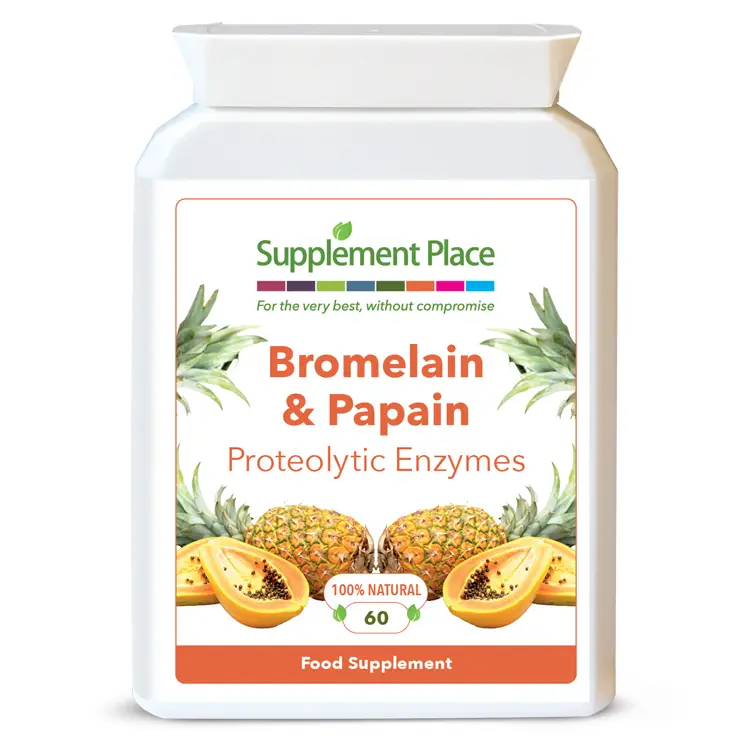 Bromelain & Papain Enzymes
Bromelain and papain are plant-derived proteolytic enzymes, meaning they break down proteins by cleaving the bonds between amino acids. Bromelain comes from the pineapple plant (Ananas comosus), primarily concentrated in the stem, while papain is extracted from the papaya fruit (Carica papaya). Both enzymes survive digestion well enough to remain active in the body, which is why they have attracted serious interest as dietary supplements for inflammation, digestion, joint health, and wound healing.
Have you ever wondered why a pineapple makes your tongue tingle? That slight burn is bromelain at work, quietly breaking down the proteins on the surface of your mouth. It’s a small, everyday sign of something genuinely useful happening at a biochemical level. And once you understand what these enzymes do, the range of ways they can support your health starts to make a lot of sense.
What Are Bromelain and Papain?
Bromelain and papain belong to a family of enzymes called proteases, also known as proteolytic enzymes or protein-digesting enzymes. A protease’s job is proteolysis: breaking apart the long chains of amino acids that make up proteins into smaller, more manageable pieces.
Your body already produces its own proteolytic enzymes. Pepsin works in the stomach, while trypsin and chymotrypsin are released by the pancreas into the small intestine. Plant-derived proteolytic enzymes like bromelain and papain work alongside these, and crucially, they can remain active even after being consumed as a supplement.
Papain breaks the bonds between amino acids within proteins, and unlike many digestive enzymes, it does not need an acidic environment to function. This makes it particularly useful for people who produce lower amounts of stomach acid, since it can get to work across a wider range of digestive conditions.
Both enzymes are available as digestive enzyme supplements in capsule, tablet, powder, and topical cream forms, giving you flexibility in how you use them depending on your health goal.
How Bromelain and Papain Work as Proteolytic Enzymes
Proteolytic enzymes work by targeting specific chemical bonds within protein structures and breaking them apart. This is called proteolysis, and it happens constantly in your body every time you digest a meal.
What makes plant-derived proteolytic enzymes interesting is that they do not stop working at the gut wall. Research suggests they can be absorbed into the bloodstream and continue their protein-cleaving activity in tissue throughout the body. That’s the mechanism behind many of the anti-inflammatory and pain-relief effects associated with bromelain.
Research has found that bromelain has blood clot-dissolving properties due to its fibrinolytic activity, meaning it may help break down fibrin, the protein involved in blood clot formation. These findings are relevant because fibrin buildup plays a role in swelling, tissue repair, and circulation.
Papain works by a similar mechanism. It targets peptide bonds, the chemical links holding amino acids together, and cleaves them efficiently. Its ability to function without an acidic environment gives it a broader working range than many human digestive proteases.
Health Benefits of Proteolytic Enzymes
Proteolytic enzymes have demonstrated benefits across inflammation reduction, osteoarthritis pain relief, digestive health, post-surgical recovery, exercise recovery, and immune modulation, with clinical trial results supporting several of these applications.
Inflammation Reduction
Chronic inflammation sits at the root of a long list of health problems, from joint pain to cardiovascular disease. Proteolytic enzymes, particularly bromelain and systemic enzyme combinations, have shown positive effects on inflammatory markers in clinical research.
Osteoarthritis and Joint Pain
Osteoarthritis and Joint Pain – Joint stiffness and osteoarthritis pain are areas where proteolytic enzymes have received consistent research attention. The connection between inflammation and joint health is well-established, and proteolytic enzymes work on that connection at a biochemical level.
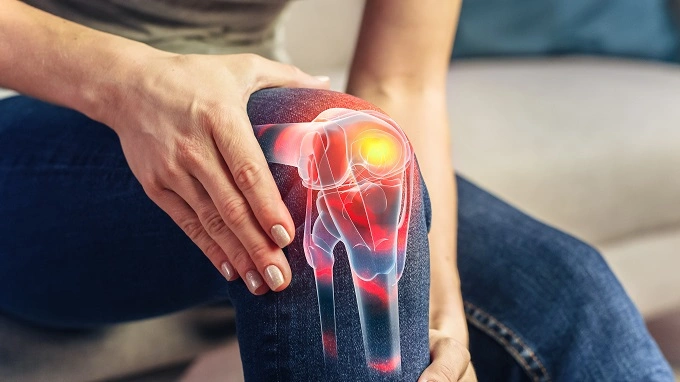
Clinical studies of oral enzyme combinations for reducing pain and improving joint function in osteoarthritis have shown promising results. Bromelain specifically has been investigated both as a standalone agent and as part of enzyme combination supplements for joint conditions, with several trials showing improvements in pain and mobility scores.
Post-Surgical Recovery and Wound Healing
Proteolytic enzymes’ ability to break down damaged tissue and modulate the inflammation response makes them an obvious candidate for post-surgical recovery research. Clinical trials suggest that oral combinations of proteolytic enzymes such as bromelain and trypsin can reduce pain and wound-related symptoms after orthopaedic surgery.
Papain has a separate role in wound care as a topical debriding agent, breaking down dead or damaged tissue to support healing of chronic wounds and burns.
One note of caution: If you are at risk of anaphylactic reactions, there is an issue with the use of topically applied creams or gels containing papain. This applies specifically to topical papain-based products, not oral dietary supplements, but it’s as well to be aware of this if you are thinking of using papain cream or gel.
Digestive and Gut Health
As a dietary supplement, bromelain supports digestion by helping break down proteins in food before they reach the lower gut. This can ease bloating and discomfort, especially after a protein-heavy meal.
Poor protein digestion contributes to fermentation in the gut, which produces gas, bloating, and discomfort. Proteolytic enzymes help break proteins down earlier and more completely, reducing the substrate available for that fermentation. For people dealing with bloating and digestive discomfort, this is one of the more practical enzyme applications.

Research has gone still further; a randomised, triple blind, placebo-controlled study found that bromelain significantly reduced ulcerative colitis activity scores over a period of eight weeks. This result points to bromelain’s potential role which goes beyond standard digestion support in managing inflammation in the gut lining itself.
Papain from the papaya fruit gives a great advantage in supporting digestive pH balance. Most digestive enzymes need specific acidity levels to function, but papain does not. This means it can support protein digestion even when stomach acid production is low. This makes papain a particularly practical enzyme for older adults, whose stomach acid levels often decline with age.
Sinusitis Relief
Bromelain is also commonly recommended for sinusitis. Its ability to reduce tissue swelling and thin mucus makes it a popular natural option for nasal congestion. If you’ve been researching sinus-related symptoms, our piece on whether sinusitis can cause dizziness covers this territory well.
Exercise Recovery and Muscle Soreness
Delayed onset muscle soreness (DOMS) results from microscopic muscle damage and the subsequent inflammation that drives repair. Bromelain, along with other proteolytic enzymes, are being researched for use in supporting tissue repair and reduction of inflammation, including during exercise recovery.
The practical angle here is that athletes and regular gym-goers sometimes use proteolytic enzyme supplements in the days following intense training to speed recovery. Eating fresh pineapple post-workout isn’t a bad idea either, for both bromelain content and carbohydrate replenishment.
Immune Function
Proteolytic enzymes interact with the immune system in several ways. They can degrade the protein coats of certain pathogens, modulate cytokine production, and influence the activity of natural killer cells. This immunomodulatory function is part of why systemic enzyme preparations appear in research on autoimmune conditions and viral infections.
Anti-Inflammatory and Joint Support
The most consistent finding in bromelain research is its anti-inflammatory effect. By breaking down proteins involved in the inflammatory response, bromelain can reduce swelling, pain, and stiffness. A clinical review found that oral enzyme combination therapy using bromelain improved pain and function in knee osteoarthritis. If you are dealing with joint discomfort, this is worth noting. You can read more about managing joint conditions in our guide to arthritis and its supporting supplements.
On the antioxidant side, papain shows activity against oxidative stress. It may also have some bactericidal properties, which is part of why it has been explored in both topical and oral applications.
How to Take Bromelain and Papain Supplements
Bromelain and papain supplements are widely available in capsule, tablet, and powder forms, with topical creams used for specific skin and wound applications.
- For digestive support, take enzyme supplements with meals. The enzyme gets to work on the proteins in your food as they pass through the gut.
- For anti-inflammatory effects, bromelain is often taken between meals on an empty stomach. This allows it to be absorbed into the bloodstream rather than spending its activity on digesting food.
Dosages vary by product and health goal, so follow the guidance on the supplement label or speak with your doctor, particularly if you are managing a specific condition.
Top Whole-Food Sources
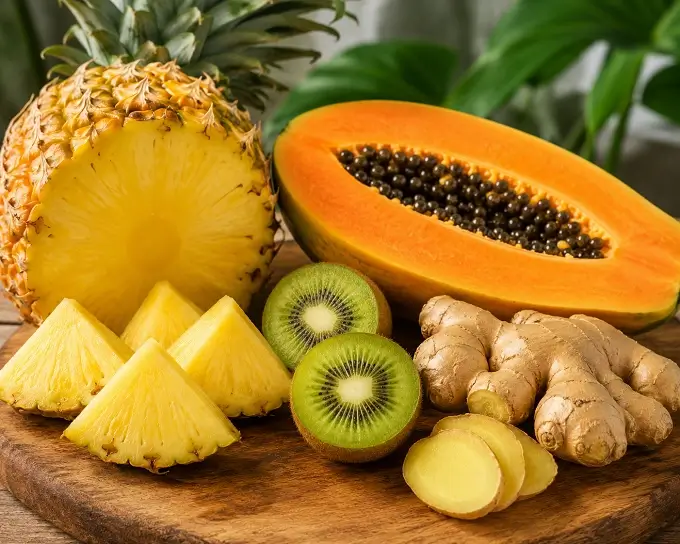
You can boost your intake naturally through diet. Eating fresh pineapple and papaya provides both enzymes in their whole-food form, along with fibre, vitamins, and other plant compounds. Note that cooking destroys enzyme activity, so raw is the way to go if you want the enzymatic benefit. This is one of those cases where a few slices of fresh pineapple after a protein-rich meal does more than just taste good.
- Papaya contains papain and chymopapain throughout the whole fruit, with the highest concentrations in the skin and unripe flesh. Eating fresh papaya regularly is a genuinely practical way to support protein digestion naturally.
- Pineapple delivers bromelain primarily through the stem, but the fruit flesh contains it too. Fresh pineapple is the key word. Heat processing and canning destroy bromelain activity, so tinned pineapple won’t give you the same enzyme benefit. Also, when preparing fresh pineapple, try to include a little of the centre stem. It’s not quite as soft and sweet as the flesh but lots of the enzymes are contained in it.
- Kiwifruit contains actinidin, a cysteine protease in the same family as papain and bromelain. Studies have specifically linked kiwifruit consumption with faster gastric emptying and improved protein digestion from foods like meat, fish, and dairy.
- Ginger contains zingibain, a cysteine protease with proteolytic activity. If you already know about the broader health benefits of ginger, zingibain is part of what makes it so useful to your digestive system.
- Fermented foods such as kimchi, sauerkraut, kefir, and yogurt don’t contain proteolytic enzymes in a direct way, but the fermentation process used in their preparation creates peptides which supports the microbial environment creating better enzyme activity throughout the gut.
Good hydration matters too. Digestive juices need adequate fluid to function well, so pairing enzyme-rich foods with plenty of water supports the whole process.
Side Effects and Safety Considerations
Bromelain and papain are generally well-tolerated as dietary supplements, but there are some side effects and interactions worth knowing before you start.
Common Side Effects
The most frequently reported side effects, usually caused by very high doses, are diarrhoea or nausea.
Some people experience mouth irritation when eating large amounts of fresh pineapple, which is the same bromelain activity causing the tingle mentioned earlier. At supplement doses, this is less common but possible.
Drug Interactions
The most important interaction to flag is with anticoagulant medications. Because bromelain may have blood-thinning activity, combining it with anticoagulants like warfarin or aspirin could increase the effect. If you are on blood-thinning medication, speak to your doctor before adding bromelain or papain supplements to your routine.
Bromelain may also increase the absorption of certain antibiotics. Again, worth discussing with a healthcare professional if you are on any prescription medication.
Pregnancy is another consideration. Enzyme supplements are not well-studied in pregnancy, and both bromelain and papain have been flagged as potentially unsafe in high doses during pregnancy. If you are pregnant, skip these supplements unless specifically advised otherwise by your doctor.
If you experience frequent digestive discomfort, it is also worth reading about heartburn, acid reflux, and indigestion to get a fuller picture of what might be driving symptoms before adding new supplements.
The Bottom Line on Proteolytic Enzymes
Proteolytic enzymes are among the most studied and functionally important enzyme classes in human health, with solid clinical evidence behind several of their applications, from reducing post-surgical pain to improving joint function in osteoarthritis.
The food sources are accessible. And the supplement options are available if you need more than food alone can deliver.
Start with your diet. Eat fresh papaya and pineapple. Use fresh ginger. Let fermented foods do what they’ve done for human gut health for thousands of years. If you want a deeper understanding of what’s driving your digestive symptom, read about how digestive function affects acid reflux and indigestion too, because these systems don’t work in isolation.
If you’re considering supplements, talk to your doctor if you’re on anticoagulants or have any existing digestive condition. The enzymes can be genuinely helpful when taken as part of a considered approach, not as a quick fix bolted onto an otherwise poor diet.
Our Promise
When it comes to keeping you informed on health and nutrition, we’re here for you and aim to help where we can. If you would like to discuss any aspect of using natural supplements, or would find advice helpful, please feel free to contact us on 01297 553932