
Related Product
 Coenzyme Q10 200mg
If you’ve been researching fertility supplements, you’ve almost certainly come across CoQ10. With so much conflicting information online, it can feel overwhelming but this guide cuts through the noise. It covers what CoQ10 actually does inside your cells, what the research says about egg quality and IVF, what it means for male fertility, and how to take it in a way that genuinely gives it a chance to work.
What Is CoQ10 and How Does It Work in the Body?
Coenzyme Q10 (CoQ10) is an antioxidant, fat-soluble compound which the human body produces naturally in every cell. Research shows it plays a direct role in mitochondrial energy production, oocyte (immature egg cell) quality, and sperm health.
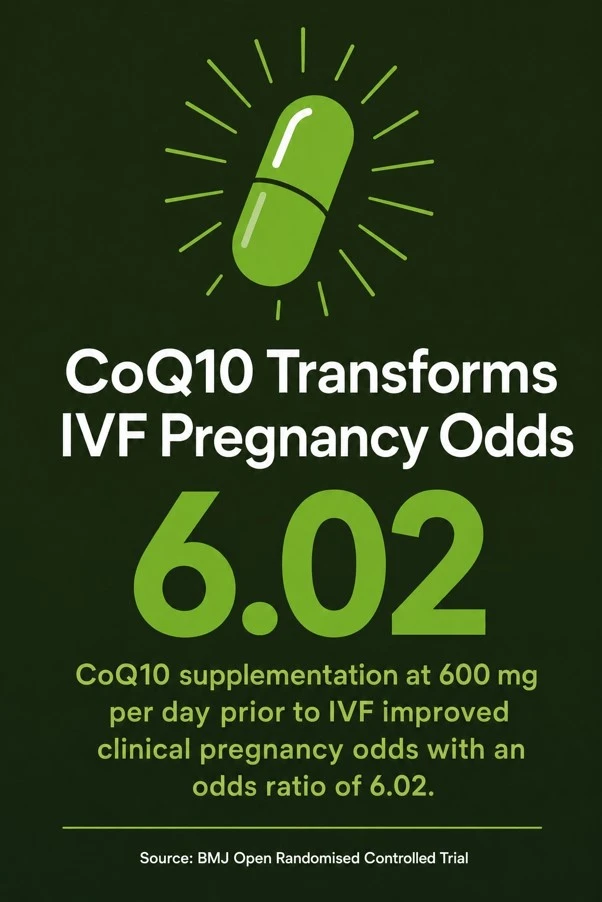
Clinical studies have found that CoQ10 supplementation at 600 mg per day prior to IVF treatment improved clinical pregnancy prospects, according to a randomised controlled trial published in BMJ Open, with an odds ratio of 6.02.
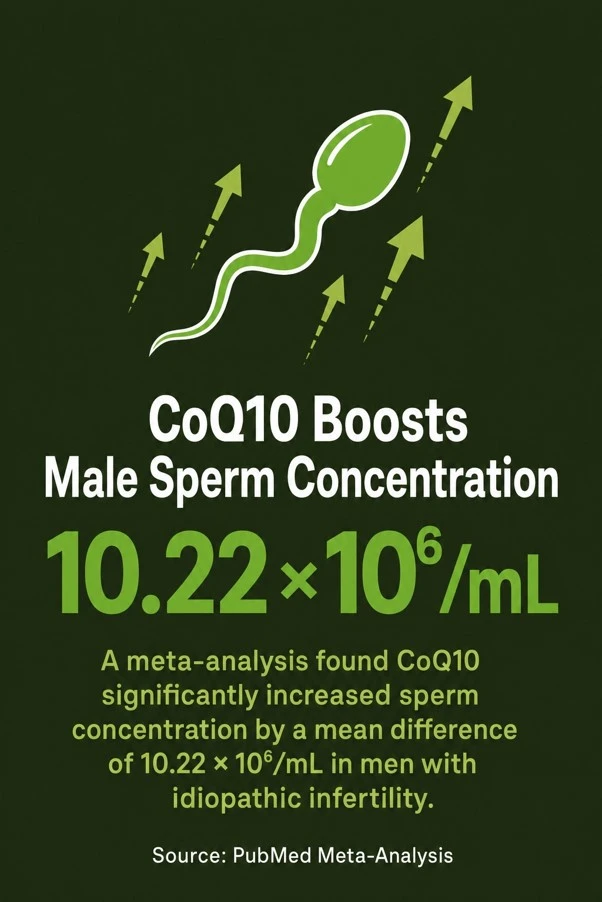
For men, a meta-analysis of idiopathic male infertility published on PubMed found CoQ10 significantly increased sperm concentration by a mean difference of 10.22 × 10⁶/mL. These findings represent meaningful shifts in fertility outcomes for people who are already struggling.
What makes CoQ10 so interesting for fertility is its dual role. It is both an essential component of energy metabolism and a potent antioxidant, capable of neutralising the reactive oxygen species (ROS) that damage cellular structures including DNA. In reproductive cells, where the energy demands are exceptionally high and oxidative stress is a constant threat, that dual function matters enormously.
Think of it this way: an egg cell preparing for ovulation must divide correctly, maintain chromosomal integrity, and fuel the early stages of embryonic development entirely from its own mitochondrial reserves. That requires staggering amounts of ATP (adenosine triphosphate, which is the energy currency of living cells). If mitochondrial function is compromised, or if oxidative stress has damaged the oocyte’s internal machinery, the whole process can go wrong before fertilisation even occurs. CoQ10’s antioxidant role protects reproductive cells from this kind of oxidative damage.
Natural Food Sources of CoQ10
Supplementation aside, you can help to increase your CoQ10 intake through diet. The richest sources include:
- Organ meats: beef heart, chicken liver, kidney
- Oily fish: mackerel, sardines, salmon, herring, trout
- Nuts and seeds: peanuts, sesame seeds, pistachios
- Lean meats: chicken breast, beef
- Legumes: soya beans, lentils
The reality is that dietary CoQ10 alone is unlikely to reach the concentrations used in fertility studies. But eating these foods regularly still supports your baseline CoQ10 status and reduces the gap your supplement needs to fill.
Why CoQ10 Levels Fall with Age and What That Means for Fertility
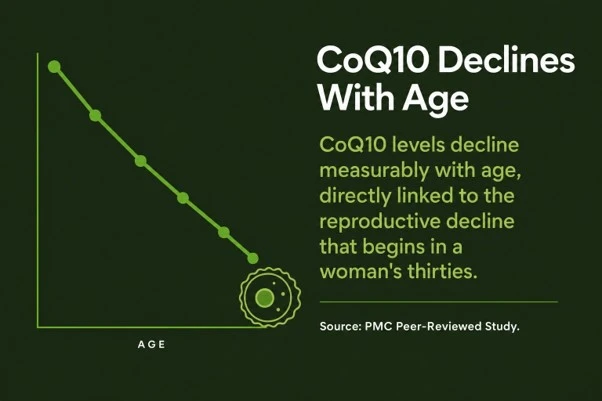
CoQ10 levels decline with age, a process documented in peer-reviewed research and directly linked to the reproductive decline that begins in a woman’s thirties. This matters because ovarian ageing affects both the number and quality of oocytes, and mitochondrial dysfunction is one of the primary mechanisms through which that ageing occurs.
As CoQ10 production falls, mitochondria in oocytes become less efficient at generating cell energy. The result is eggs with reduced capacity to complete meiosis which is the type of cell division responsible for dictating gender correctly. It also may result in higher rates of chromosomal abnormalities, and poorer fertilisation rates. This is the biological reason why egg quality declines faster than egg quantity as women age.
For women with diminished ovarian reserve (DOR) or poor ovarian response to stimulation, this mitochondrial decline is particularly relevant. The fewer reserves you have to begin with, the more important it becomes that each oocyte functions optimally.
Lifestyle factors also accelerate CoQ10 depletion. Smoking generates substantial oxidative stress that depletes antioxidant compounds including coenzyme Q10. Statin medications prescribed for lowering LDL cholesterol are a well-known inhibitor of CoQ10 synthesis, since both share the same biosynthetic pathway. Chronic stress, poor sleep, and high alcohol intake all compound oxidative burden on reproductive cells. If any of these apply to you, addressing them alongside supplementation is very necessary.
CoQ10 for Egg Quality: What the Clinical Evidence Shows
According to a systematic review published in PMC, CoQ10-containing regimens have been shown in meta-analytic data to improve FSH, AMH, and antral follicle count in patients with diminished ovarian reserve. Those three markers are the primary indicators clinicians use to assess ovarian reserve and predict IVF response. Improved FSH means the ovaries are responding more efficiently to hormonal signals. Higher AMH and antral follicle count suggest a better functional pool of oocytes available for retrieval.
What CoQ10 appears to do is address the mitochondrial root of oocyte ageing rather than just the surface-level hormonal picture. By supporting ATP production and reducing oxidative stress within the follicular environment, coenzyme Q10 gives developing oocytes better conditions to mature correctly.
Better oocyte maturation translates directly into embryo quality. An egg that has sufficient mitochondrial energy to complete meiosis without errors is more likely to fertilise successfully and develop into a viable embryo.
This is the mechanistic chain that connects CoQ10 supplementation to clinical pregnancy rate improvements, not a leap of faith but a sequence supported by the underlying biology.
The evidence base in support of coenzyme Q10 for fertility is growing but has not yet reached a consensus. This does not mean CoQ10 is ineffective. It means the clinical picture is still developing, and expectations should be realistic rather than absolute.
CoQ10 and IVF: Can It Improve Assisted Reproductive Technology Outcomes?
A randomised trial in women with poor ovarian reserve administered CoQ10 at 200 mg three times daily (600 mg per day total) for 60 days prior to IVF stimulation, finding meaningful improvements in ovarian response and embryo outcomes, as detailed in this study published in ScienceDirect. The 60-day pre-treatment window is clinically significant: it corresponds to the final stages of follicular development, the period during which oocyte quality is most susceptible to mitochondrial support.
The clinical pregnancy rate data from this area of research is very encouraging. CoQ10 increased clinical pregnancy odds with an odds ratio of 6.02 in the BMJ Open trial referenced at the opening of this piece. An odds ratio of that magnitude is not subtle. For context, it suggests the women supplementing with coenzyme Q10 were substantially more likely to achieve a clinical pregnancy than those who did not.
For anyone going through assisted reproductive technology (ART), this is meaningful information. Poor ovarian response is one of the most common reasons IVF cycles are cancelled or produce too few retrievable oocytes. If CoQ10 can improve follicle counts, oocyte quality, and ultimately embryo viability, it could make a meaningful difference to IVF success rates in those most likely to struggle.
Who May Benefit Most from CoQ10 Before ART
Not every IVF patient has the same risk profile. Women who are most likely to see benefit from CoQ10 pre-treatment include those with:
- Diminished ovarian reserve (low AMH, elevated FSH)
- Poor ovarian response in previous IVF cycles
- Advanced maternal age (typically over 35)
- Premature ovarian insufficiency or early ovarian ageing
- A history of poor embryo quality despite adequate retrieval numbers
Women with normal ovarian reserve may also benefit from the antioxidant protection CoQ10 provides, but the evidence base is strongest for those with established ovarian ageing or reserve issues. Discussing your specific situation with a reproductive endocrinologist before adding coenzyme Q10 to your protocol is always the right starting point.
CoQ10 for Male Fertility: Sperm Quality, Motility, and Count
A meta-analysis of idiopathic male infertility found that CoQ10 supplementation significantly increased sperm concentration by a mean difference of 10.22 × 10⁶/mL, representing a clinically meaningful improvement in a population where conventional treatment options are limited, as published in this PubMed meta-analysis on CoQ10 and male infertility. Sperm cells are particularly vulnerable to oxidative stress because they carry minimal antioxidant defences of their own and are produced continuously, making sustained CoQ10 support relevant across the full spermatogenesis cycle of approximately 74 days.
Sperm motility, morphology, and DNA integrity all depend on mitochondrial function. The midpiece of a sperm cell, the section that powers forward movement, is densely packed with mitochondria. If those mitochondria are producing inadequate ATP due to CoQ10 insufficiency, sperm struggle to reach the egg even when counts are adequate. Coenzyme Q10 addresses this at the source.
For men supporting their partner through fertility treatment, or exploring male fertility supplements independently, CoQ10 is one of the better-evidenced options available. Doses of around 200 mg per day for at least three months have been shown to improve semen parameters. Three months is the minimum to see meaningful change because that is roughly how long a full sperm production cycle takes.
Diet plays a role here too. Men with high intakes of processed foods, alcohol, and low antioxidant intake have measurably higher rates of sperm DNA damage. Increasing oily fish, reducing alcohol, stopping smoking, and managing physical stress all compound the effects of CoQ10 supplementation.
CoQ10 for PCOS and Premature Ovarian Insufficiency
CoQ10 supplementation has shown particular relevance for women with polycystic ovary syndrome (PCOS), where oxidative stress is elevated and mitochondrial dysfunction contributes to hormonal dysregulation and impaired oocyte development. PCOS is associated with chronically raised levels of reactive oxygen species, and the antioxidant properties of coenzyme Q10 address this directly at the cellular level.
For women with premature ovarian insufficiency (POI) or early ovarian ageing, CoQ10’s role in mitochondrial support is equally relevant. When oocyte reserves are already compromised, protecting remaining follicles from further oxidative damage becomes the priority. CoQ10 cannot reverse established follicle loss, but it may help preserve the quality of what remains.
Women with PCOS exploring fertility supplements for women often find that CoQ10 fits within a broader nutritional strategy. Reducing refined carbohydrate intake, managing insulin resistance through diet and exercise, and supporting antioxidant status through both food and targeted supplementation all address the underlying metabolic environment that PCOS creates.
Dosage, Timing, and How to Take CoQ10 for Fertility
CoQ10 should be taken with a meal containing fat, since it is fat-soluble and absorbs significantly better in the presence of dietary fat. A handful of nuts, a portion of salmon, or even a tablespoon of olive oil with your meal will improve absorption meaningfully.
Many fertility studies use CoQ10 doses between 200 and 600 mg per day, with the higher end of that range used specifically for women with poor ovarian reserve who are preparing for IVF, according to research reviewed by Ubie Health’s clinical dosage guidance. For men, doses around 200 mg per day for a minimum of three months have been shown to improve semen parameters.
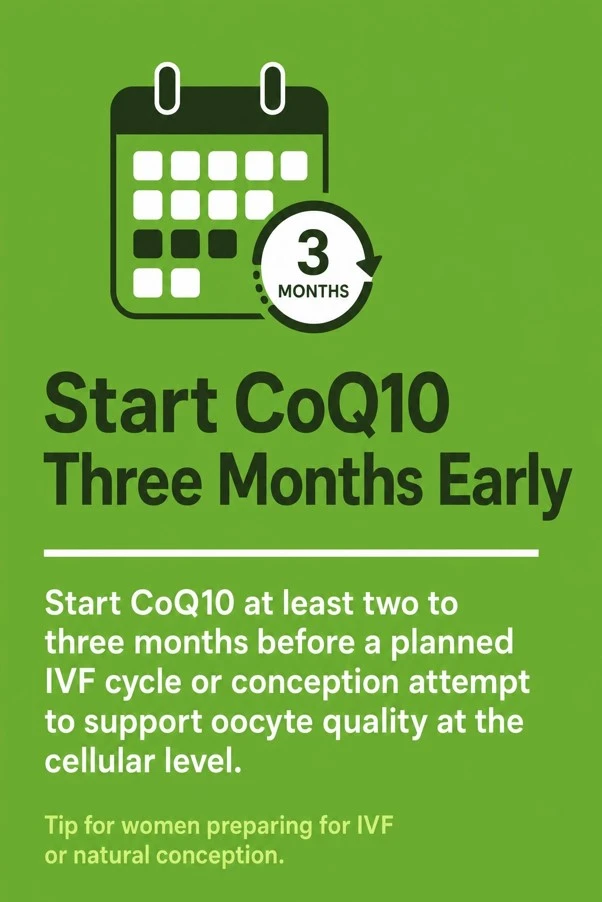
The timing question is equally important. Oocyte development unfolds over several months before ovulation. The final maturation phase that CoQ10 most directly supports spans approximately 90 days. This is why most clinicians recommend starting coenzyme Q10 at least two to three months before a planned IVF cycle, or two to three months before trying to conceive naturally. Starting a week before your egg retrieval will not move the needle.
Practical Guidance for Taking CoQ10
A few points that make a genuine difference in practice:
- Split your daily dose: if taking 400 mg per day, take 200 mg with breakfast and 200 mg with dinner rather than all at once
- Always take with a fat-containing meal to maximise absorption
- Be consistent: missing doses regularly undermines the cumulative effect
- Continue through your IVF stimulation phase unless your clinic advises otherwise
- If you’re also taking statins, discuss CoQ10 supplementation with your GP, since statins deplete endogenous CoQ10 production
If you are looking to track whether CoQ10 is working alongside other interventions, a female fertility test measuring AMH, FSH, and antral follicle count before and after a supplementation period can provide data on ovarian reserve changes.
Side Effects and Safety Considerations
CoQ10 is generally well tolerated. The most reported side effects are mild gastrointestinal symptoms: nausea, loose stools, or stomach discomfort, particularly at higher doses. Taking CoQ10 with food substantially reduces these. Some people report mild insomnia when taking CoQ10 late in the evening, so morning or lunchtime doses are preferable if sleep is a concern.
CoQ10 may interact with blood-thinning medications such as warfarin, so anyone on anticoagulant therapy should consult their doctor before supplementing. There is no established evidence of harm during the pre-conception phase, but most clinicians advise stopping supplementation once a positive pregnancy test is confirmed until more safety data in pregnancy is available.
CoQ10 is classified as a dietary supplement. It does not require a prescription in the UK, but it is not a replacement for medical fertility treatment. Use it as part of a broader strategy, not as a standalone solution.
Other Supplements and Lifestyle Factors Worth Pairing with CoQ10
CoQ10 works best as part of a wider approach to reproductive health, not in isolation. Oxidative stress in reproductive cells is influenced by multiple factors simultaneously and addressing only one while ignoring others limits what supplementation can achieve.
Beyond supplements, lifestyle changes with direct evidence behind them include:
- Giving up smoking – significantly reduces oxidative stress and improves oocyte and sperm quality
- Limiting alcohol – even moderate intake is associated with reduced fertility in both sexes
- Regular moderate exercise – supports insulin sensitivity and reduces systemic inflammation
- Adequate sleep – poor sleep increases cortisol and disrupts reproductive hormone regulation
- Reducing processed food – high in pro-oxidants and low in the micronutrients reproductive cells need
Complementary Supplements
Resveratrol
Resveratrol is one compound often discussed alongside coenzyme Q10 for reproductive ageing. Resveratrol’s antioxidant properties include activation of sirtuins, proteins associated with mitochondrial health and cellular longevity.
Omega-3
Omega-3 fatty acids from oily fish support the anti-inflammatory environment that healthy follicular development requires, and you can read more about omega-3 benefits in our dedicated guide.
Maca
Maca is another option which some women find supportive for hormonal balance. Our guide to maca benefits for women covers the evidence and practical guidance if that is something you want to investigate further.
Putting It All Together: A Realistic View of CoQ10 for Fertility
CoQ10 is not a miracle. But the evidence for its role in mitochondrial function, oocyte energy production, antioxidant defence, and sperm quality is genuinely encouraging, particularly for women with diminished ovarian reserve and men with idiopathic infertility. The odds ratio of 6.02 for clinical pregnancy in the BMJ Open trial is the kind of number that deserves serious attention. However, larger, more diverse trials are still needed.
The practical case for trying CoQ10 is strong precisely because the downside risk is low. It is widely available, well tolerated at recommended doses, and addresses a biologically plausible mechanism. Starting two to three months before a planned IVF cycle or conception attempt, at 400 to 600 mg per day for women with reserve concerns and around 200 mg per day for men, gives the supplement the time it needs to work at cellular level.
Eat oily fish regularly. Cut back on the things that deplete your antioxidant reserves. Be consistent with your supplement. And work with your healthcare specialist to track whether your ovarian reserve markers are moving in the right direction.
If you’d like to find a high-quality CoQ10 option or explore a broader range of support, you’re welcome to browse our fertility supplements for women collection at Supplement Place, or get in touch directly for personalised guidance on what might suit your situation best.
Our Promise
When it comes to keeping you informed on health and nutrition, we’re here for you and aim to help where we can. If you would like to discuss any aspect of using natural supplements, or would find advice helpful, please feel free to contact us on 01297 553932