

Related Product
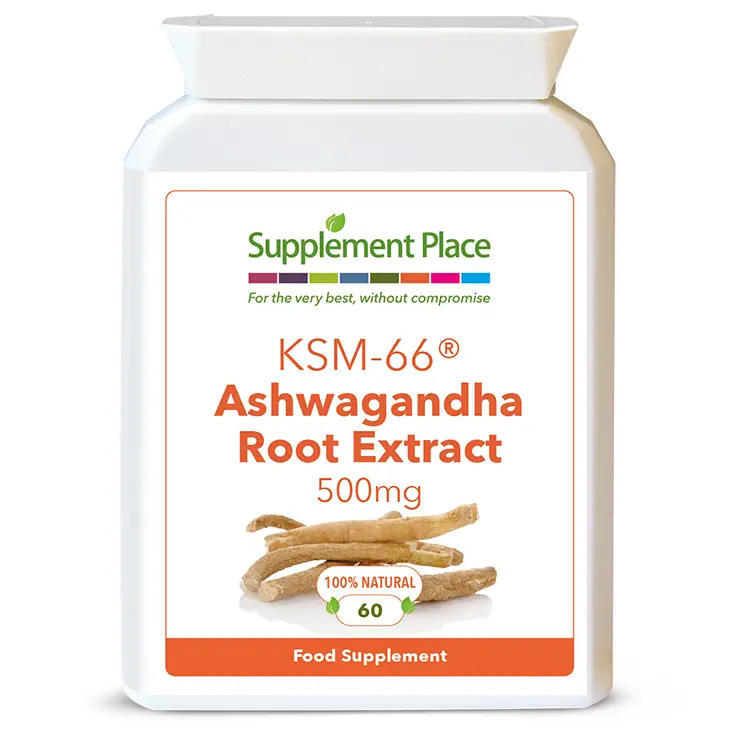 Ashwagandha Root Extract
Are you searching for a natural way to manage stress without feeling drowsy throughout the day? Many stress-relief supplements come with an unwanted side effect – they make you sleepy. This creates a frustrating choice between feeling stressed or feeling tired. But what if you could reduce anxiety without sacrificing alertness?
Research has found that it is possible to deal with stress through both supplementation and dietary approaches. Our bodies have natural stress-management systems which can be supported through the right nutrients and compounds.
Ashwagandha, an ancient medicinal herb, stands out for its unique ability to calm the nervous system while maintaining – and even improving – mental alertness. This rare combination makes it worth investigating for anyone dealing with daily stress.
In this blog we examine the research behind ashwagandha’s stress-relieving properties, how it differs from sedative supplements, and ways to incorporate it effectively into your wellness routine, alongside supportive lifestyle practices.
Understanding Stress and Its Impact on Health
Stress affects us all. It’s your body’s natural response to a challenging situation. Stress is the trigger for those hormonal changes which prepare you for action. Short-term stress can be beneficial, helping you meet deadlines or avoid danger.
However, when stress becomes chronic, it transforms from helpful to harmful. Your body wasn’t designed to maintain elevated stress hormones like cortisol for extended periods. This persistent hormonal imbalance creates widespread effects throughout your body and mind.
Many people don’t recognise when their stress level has become problematic. Here are some common signs that stress might be affecting your health:
- Physical symptoms – Headaches, muscle tension, fatigue, sleep disturbances.
- Emotional changes – Irritability, anxiety, feeling overwhelmed.
- Cognitive effects – Trouble concentrating, racing thoughts, constant worry.
- Behavioural shifts – Changes in appetite, procrastination, nervous habits.
The typical approaches to stress management often come with drawbacks. Prescription medications may cause dependency or side effects. Many herbal remedies like valerian root or kava can make you too drowsy to function effectively. This is where ashwagandha offers a distinct advantage.
What is Ashwagandha and How Does It Work?

Ashwagandha (Withania somnifera) is an adaptogenic herb that has been used for over 3,000 years in Ayurvedic medicine. Unlike typical relaxants that simply sedate the nervous system, adaptogens work differently. They help your body adapt to stress by modulating your physiological stress response. Think of adaptogens as stress-response regulators rather than sedatives.
The following table outlines the key benefits of ashwagandha specifically related to stress reduction:
| Benefit | Mechanism | Effect |
| Cortisol Regulation | Moderates the stress hormone response | Balanced stress reaction without excessive hormonal output |
| GABA Enhancement | Supports the calming neurotransmitter GABA | Natural relaxation without sedation |
| Antioxidant Protection | Neutralises stress-induced free radicals | Reduced cellular damage from chronic stress |
| Neuroinflammation Reduction | Modulates inflammatory signalling in the brain | Improved cognitive function during stressful periods |
What makes ashwagandha particularly valuable is its ability to provide these stress-reduction benefits without causing drowsiness. This unique property allows you to address anxiety while still maintaining productivity. This is very good news if you need to be on top form in the workplace or studying for exams.
The Ancient Roots of Ashwagandha
Ashwagandha holds a prominent place in Ayurveda, one of the world’s oldest holistic healing systems developed thousands of years ago in India. Traditional practitioners classified it as a ‘Rasayana,’ a rejuvenator that promotes longevity and vitality.
In traditional use, ashwagandha was prescribed for a wide range of conditions beyond stress – from arthritis to insomnia. However, its application for ‘balancing life forces’ closely aligns with what modern science now identifies as stress hormone regulation.
The root is the most used part of the plant, containing the highest concentration of active compounds called withanolides. These naturally occurring steroids are responsible for much of ashwagandha’s biological activity.

How Ashwagandha Affects Stress Hormones
Ashwagandha works primarily by influencing your body’s stress response system, known as the hypothalamic-pituitary-adrenal (HPA) axis. This system controls the release of cortisol, your primary stress hormone.
When you experience stress, your adrenal glands release cortisol, preparing your body for ‘fight or flight.’ While this response is helpful in true emergencies, chronic activation leads to consistently elevated cortisol levels. If stress is not relieved, heightened levels can lead to further health problems.
Ashwagandha appears to modulate this system, helping to normalise cortisol levels without suppressing your body’s ability to respond appropriately to genuine stressors. This balance is key to reducing anxiety without causing sedation.
Additionally, ashwagandha contains compounds that interact with GABA receptors in your brain. GABA is a neurotransmitter which inhibits excessive neuronal activity, creating a calming effect. Unlike benzodiazepines (a sedative medication) and alcohol, which also affect GABA, ashwagandha appears to do so without causing significant drowsiness.
Research on Ashwagandha’s Stress-Relieving Effects
The stress-relieving effects of ashwagandha are not simply based on traditional use – they’re backed by modern scientific research. Multiple clinical studies have demonstrated its effectiveness for reducing anxiety and stress.
A comprehensive analysis of ashwagandha research found that supplementation with ashwagandha significantly lowered anxiety scores compared to placebo. The findings suggest ashwagandha’s impact on stress and anxiety may be comparable to some pharmaceutical interventions but without the same risk of side effects.
These research findings are particularly impressive because they demonstrate consistent benefits across different study populations and methodologies. This consistency strengthens confidence in ashwagandha’s effectiveness for stress management.
Clinical Evidence for Anxiety Reduction
Anxiety and stress often go hand-in-hand, each having the effect of increasing the other. Research shows ashwagandha addresses both conditions effectively.
Clinical trials typically use validated anxiety assessment tools like the Hamilton Anxiety Rating Scale (HAM-A) or the State-Trait Anxiety Inventory (STAI). These standardised measures help quantify subjective experiences like anxiety.
In studies using these tools, participants taking ashwagandha consistently report lower anxiety scores compared to those taking a placebo. These improvements typically begin within a few weeks and continue to increase with ongoing supplementation.
What is particularly notable is that these anxiety reductions occur without significant adverse effects. This safety profile makes ashwagandha a compelling option for those who experience side effects from conventional anti-anxiety medications.
Impact on Cortisol Levels
One of the most objective ways to measure stress is through cortisol levels. As your primary stress hormone, elevated cortisol is a reliable biomarker of chronic stress.
Research has shown that ashwagandha supplementation effectively lowers morning cortisol levels, a key stress biomarker. This physiological change corresponds with reports of trial participants feeling less stressed.
By moderating cortisol, ashwagandha helps address stress at its hormonal source rather than simply masking symptoms. This mechanism helps explain why the herb can reduce anxiety without causing sedation – it has the ability to normalise stress response rather than suppressing the activity of the nervous system.
The cortisol-moderating effects also help explain some of ashwagandha’s other benefits, such as improved sleep quality, better immune function, and potential metabolic improvements. All these systems are negatively affected by chronically elevated cortisol.
Ashwagandha: Alertness vs. Sedation
A unique aspect of ashwagandha is its ability to reduce stress without causing drowsiness. In fact, research suggests it may improve mental alertness.
One clinical study found that participants taking ashwagandha reported improved morning alertness compared to those taking placebo. This indicates that ashwagandha may enhance wakefulness rather than diminish it.
This combination of stress reduction and improved alertness sets ashwagandha apart from many other natural remedies for anxiety. Many alternatives like valerian root, kava, or even high-dose CBD, can cause drowsiness that interferes with daily activities.

Morning Alertness Improvements
The improvement in morning alertness is particularly noteworthy because many people who struggle with stress and anxiety also experience fatigue, especially in the morning. This morning fatigue can create a cycle where stress disrupts sleep, leading to yet more stress the next day.
Ashwagandha appears to help break this cycle. By improving both stress levels and morning alertness, it addresses both sides of the stress-fatigue equation. This dual benefit makes it particularly valuable for anyone who needs to manage stress while still maintaining productivity.
Optimal Dosage and Usage Guidelines
To experience the stress-relieving benefits of ashwagandha without unwanted side effects, proper dosing is essential. Research indicates that a dosage range of 300–600 mg per day of ashwagandha extract consistently demonstrates stress reduction benefits.
Most successful clinical studies use extracts standardised to contain a specific percentage of withanolides, typically 1-10%. These are the active compounds responsible for many of ashwagandha’s effects. A higher standardisation percentage generally means you need a lower overall dose.
When selecting an ashwagandha supplement, look for products which clearly state both the amount of ashwagandha and the withanolide content. This transparency indicates a quality product with consistent potency.
Finding the Right Dose
While research suggests 300-600 mg as an effective range, individual responses vary. Some factors which may influence your optimal dose include:
- Your body weight and metabolism which can affect how quickly you process supplements.
- Your existing stress levels which may determine how much support you need.
- Your sensitivity to supplements in general which can influence how you respond to ashwagandha.
It is recommended that you start at the lower end of the dosage range (around 300 mg daily) and gradually increase if needed. This approach allows you to find the lowest effective dose for your needs while minimising any possible risk of side effects.
The table below provides guidance on different ashwagandha preparations and their typical dosing:
| Form | Typical Dosage | Considerations |
| Root Powder | 1-2 grams daily | Less concentrated; higher volumes needed |
| Extract (5% withanolides) | 300-600 mg daily | Most commonly used in research |
| High-potency extract (10%+ withanolides) | 150-300 mg daily | More potent; lower volume needed |
| Liquid tincture | 2-4 ml (2-3x daily) | Faster absorption; taste can be strong |
For stress relief, the extract form used in most studies typically provides the most reliable results. Standardised root extract supplements offer consistent potency and convenient dosing.
When to Take Ashwagandha
The timing of ashwagandha consumption can influence its effects. Since it doesn’t cause drowsiness for most people, ashwagandha can be taken at any time of day. However, establishing a consistent routine helps maintain steady levels in your system.
Many people prefer taking ashwagandha with meals to minimise any possible digestive discomfort. The fat in meals may also help with the absorption of some of ashwagandha’s active compounds.
Some people report that morning dosing helps them maintain calm focus throughout the day. Others find that evening dosing helps them unwind without causing drowsiness. You could experiment with timing to see what works best for your body and schedule.
For maximum benefits, consistency is key. The research showing significant benefits typically involves daily supplementation for at least 8 weeks. While some effects may be noticeable sooner, the full benefits tend to develop with regular use over time.
Foods That Complement Ashwagandha
Your body’s natural stress response system relies on various nutrients to function properly. Ensuring adequate intake of these nutrients through diet can complement ashwagandha’s effects and improve your overall stress resilience.
- Magnesium-rich foods – Dark leafy greens, nuts, seeds, and whole grains support nervous system function and may help reduce stress hormone production.
- Omega-3 fatty acids – Fatty fish, walnuts, and flaxseeds help reduce inflammation associated with chronic stress.
- Complex carbohydrates – Whole grains and legumes help stabilise blood sugar, preventing stress-inducing spikes and crashes.
- Vitamin C-rich foods – Citrus fruits, bell peppers, and berries support adrenal function, which can become depleted during periods of chronic stress.
- Antioxidant-rich foods – Colourful fruits and vegetables help combat oxidative stress which increases during periods of anxiety.
Incorporating these foods regularly creates a nutritional foundation that supports your body’s ability to handle stress. This dietary approach works synergistically with ashwagandha’s effects on your stress response system.
Stress-Reducing Lifestyle Practices

Supplements work best when combined with stress-reducing lifestyle practices. Consider incorporating these evidence-based approaches to stress management:
- Regular physical activity – Even moderate exercise reduces stress hormones and increases endorphins.
- Adequate sleep – Prioritising quality sleep helps regulate stress hormones and improves emotional resilience.
- Mindfulness practices – Meditation, deep breathing, or yoga can activate your body’s relaxation response.
- Nature exposure – Spending time outdoors, especially in natural settings, reduces stress markers.
- Social connection – Quality time spent with supportive people helps protect against the effects of stress.
These practices address stress through multiple pathways, creating a comprehensive approach to stress management. When combined with ashwagandha supplementation, they can significantly enhance your stress resilience and overall wellbeing.
Think of ashwagandha as one tool in your stress-management toolkit. When used alongside supportive diet and lifestyle practices, it becomes part of an integrated approach rather than a standalone solution.
Potential Side Effects and Considerations
While ashwagandha is generally well-tolerated, it is important to understand potential side effects and contraindications. Clinical research has observed minimal sedation-related adverse effects with ashwagandha, with good overall tolerability reported across studies. This favourable safety profile is one reason for its growing popularity as a stress-management supplement.
The most reported side effects are typically mild and may include:
- Digestive discomfort – Some people experience mild stomach upset, especially when taking ashwagandha on an empty stomach.
- Drowsiness – Though uncommon, there may be occasions when mild drowsiness may be experienced, particularly at higher doses.
- Headaches – Occasional headaches have been reported, though they’re relatively rare.
- Dry mouth – Some users notice increased dryness in the mouth.
- Changes in blood pressure – Ashwagandha may lower blood pressure slightly for some people.
Most of these side effects are mild and often resolve as your body adjusts to the supplement. Taking ashwagandha with food and starting with a lower dose can help minimise digestive discomfort.
Who Should Avoid Ashwagandha?
Despite its generally good safety profile, ashwagandha isn’t appropriate for everyone. You should avoid ashwagandha or consult with a healthcare provider before using it if you:
- Are pregnant or breastfeeding, as there is not yet enough safety data.
- Have autoimmune conditions such as rheumatoid arthritis, lupus, or Hashimoto’s thyroiditis, as ashwagandha may increase immune system activity.
- Are taking medications for thyroid disorders, as ashwagandha may increase thyroid hormone levels.
- Have hormone-sensitive prostate cancer, as ashwagandha could affect testosterone levels.
- Are scheduled for surgery, as it may increase the risk of bleeding and interact with anaesthesia.
Additionally, because ashwagandha may lower blood sugar levels, people with diabetes should monitor their glucose levels closely when beginning supplementation.
Medication Interactions
Ashwagandha may interact with several types of medications, including:
- Immunosuppressants, as ashwagandha may counteract their effects.
- Thyroid medications, as it may alter thyroid hormone levels.
- Sedatives, as it will enhance their effects.
- Blood pressure medications, potentially enhancing their blood pressure-lowering effects.
- Blood thinners, as it may increase the risk of bleeding.
If you’re taking any medications, it’s important to consult with your healthcare provider before adding ashwagandha to your regime. They can help you evaluate potential interactions and determine whether ashwagandha is appropriate for your specific situation.
Comparing Ashwagandha to Other Stress-Relief Supplements
Many supplements claim to help with stress and anxiety. Understanding how ashwagandha compares to other options can help you make an informed choice about which might be best for your needs.
Research has shown that compared to other herbal supplements for anxiety, ashwagandha demonstrates a unique combination of significant effectiveness with minimal sedation. This sets it apart from herbs like valerian root or kava, which typically cause drowsiness while reducing anxiety.
The table below compares ashwagandha to other popular stress-relief supplements across several important factors:
| Supplement | Stress/Anxiety Relief | Effect on Energy | Onset of Action | Side Effect Profile |
| Ashwagandha | Strong | Neutral to slightly energising | Gradual (2-8 weeks) | Minimal |
| Rhodiola Rosea | Moderatge | Energising | Relatively quick (1-2 weeks) | Minimal; may cause insomnia |
| L-Theanine | Mild to moderate | Neutral | Rapid (30-60 minutes) | Very minimal |
| Kava | Strong | Sedating | Rapid (30-60 minutes) | Potential liver concerns; drowsiness |
| Valerian Root | Moderate | Sedating | Moderate (1-2 hours) | Drowsiness; morning grogginess |
| Magnesium | Mild to moderate | Neutral to calming | Variable (days to weeks) | Digestive effects at high doses |
As this comparison shows, ashwagandha offers a particularly balanced profile that makes it suitable for daytime use. While some supplements work faster (like L-theanine or kava), they either provide less significant relief or come with more concerning side effects.
Another differentiator is that ashwagandha addresses stress at multiple levels – it helps regulate stress hormones, supports neurotransmitter balance, and provides antioxidant protection. This multi-mechanism approach may explain its effectiveness across different types of stress and anxiety.
For those seeking immediate relief from acute anxiety, faster-acting supplements like L-theanine may be more appropriate. However, for managing chronic stress while maintaining productivity, ashwagandha’s profile is particularly advantageous.
If you’re looking to improve your mental health over the long term, ashwagandha’s combination of effectiveness and tolerability makes it an excellent foundation for a stress management regimen. It can also be combined with other supplements like magnesium or L-theanine for complementary effects.
Conclusion
Chronic stress affects millions of people, compromising both mental and physical health. Finding effective solutions that don’t interfere with daily function is a common challenge. Ashwagandha offers a compelling answer to this dilemma providing natural stress relief without the sleepiness.
The research clearly demonstrates that ashwagandha provides significant stress and anxiety reduction benefits without causing the drowsiness associated with many other supplements. This unique combination makes it particularly valuable for anyone who needs to manage stress while staying alert and productive.
The research clearly demonstrates that ashwagandha provides significant stress and anxiety reduction benefits without causing the drowsiness associated with many other supplements. This unique combination makes it particularly valuable for anyone who needs to manage stress while staying alert and productive.
It significantly reduces both subjective anxiety and objective stress markers like cortisol. Unlike many stress-relief supplements, it maintains or even improves alertness. Research suggests an optimal dosage of 300-600 mg daily of a standardised extract. Maximum benefits typically develop with consistent use over 8 weeks. Its effects are enhanced when combined with stress-supportive diet and lifestyle practices.
If you’re struggling with stress and have found other supplements too sedating, ashwagandha may provide the balance you’re looking for. By helping your body adapt to stress rather than simply masking its symptoms, ashwagandha offers a sustainable approach to stress management.
Remember that supplements work best as part of a comprehensive approach. Combining ashwagandha with regular exercise, adequate sleep, mindfulness practices, and a nutrient-rich diet creates a powerful foundation for stress resilience and overall wellbeing.
Our Promise
When it comes to keeping you informed on health and nutrition, we’re here for you and aim to help where we can. If you would like to discuss any aspect of using natural supplements, or would find advice helpful, please feel free to contact us on 01297 553932.