
Related Product
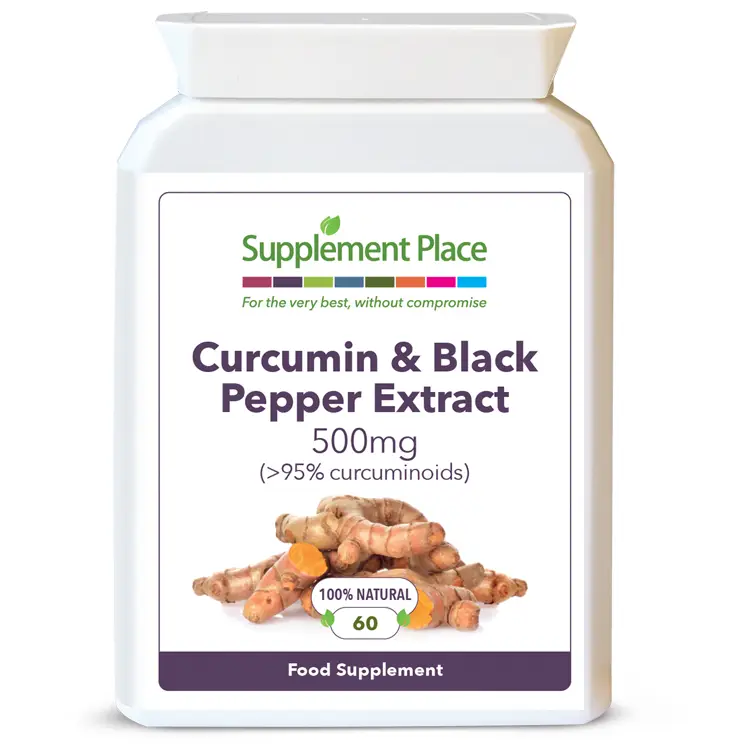 Curcumin & Black Pepper Extract
Some of the most well-researched anti-inflammatory plants in the world are also some of the familiar herbs and spices sitting in your kitchen cupboard. Turmeric, ginger, garlic, rosemary — these are foods which not only add excellent flavour to your everyday cooking but can also make a difference to how your joints feel, or how your body handles long-term stress. They’re foods with a genuine body of scientific evidence behind them and understanding how to take advantage of their health benefits is entirely within reach.
This guide covers the key anti-inflammatory herbs and supplements, what the research says, how much to take and what to watch out for.
What Is Inflammation and Why Does It Matter?
Inflammation is your body’s built-in defence system, and in the short term, it’s essential for healing. Cut your finger, catch a virus, twist your ankle: inflammation is what rushes blood, immune cells, and repair signals to the problem area. This is called acute inflammation, and without it you simply wouldn’t recover from injury or infection.
Chronic inflammation is a different animal entirely. It is low-grade, persistent, and because it tends to fly under the radar, is often invisible. You might not feel it at all. But over months and years, this kind of inflammation has been linked to serious conditions including arthritis, type 2 diabetes, cardiovascular disease, and certain cancers. It quietly raises markers in your blood, notably C-reactive protein (CRP), TNF-alpha, and IL-6, which are terms researchers use as signs that something is not quite right.

The frustrating thing is that modern life feeds chronic inflammation rather than calming it. Poor sleep, processed food, excess weight, long-term stress, and a sedentary lifestyle all keep those inflammatory signals ticking over. That’s where anti-inflammatory habits, including certain herbs and supplements, may genuinely help.
It’s worth being clear about one thing: anti-inflammatory supplements are not a replacement for medical care. They’re most useful as part of a broader healthy lifestyle, and a GP should always be your first port of call if you have ongoing symptoms or a diagnosed condition.
How do Anti-Inflammatory Supplements and Herbs Work in Your Body?
Certain herbs and plant extracts contain natural compounds that may help calm the inflammation process. They work by influencing the chemical messages that tell your body when to produce inflammation and how long to keep it going.
Turmeric, ginger and boswellia are good examples. Turmeric contains curcumin, a natural compound that has been widely studied for its anti-inflammatory properties. Curcumin may help regulate a process in the body known as NF-kB, which acts rather like a master switch for inflammation. Ginger also appears to influence some of these inflammatory signals.
Boswellia, sometimes called Indian frankincense, works somewhat differently. Its active compounds may help reduce the activity of certain substances involved in inflammation, particularly those linked to swelling and discomfort.
Willow bark and rosemary contain other potentially helpful plant compounds. Willow bark provides salicin, which the body converts into a substance related to aspirin. It may help influence the processes responsible for pain and inflammation. Rosemary contains rosmarinic acid, which is also being studied for its possible anti-inflammatory effects.
How do researchers know whether these natural ingredients are working?
One way is to measure substances in the blood that are associated with inflammation. You may come across names such as CRP, TNF-alpha and IL-6 in scientific studies.
There’s no need to remember these names, they’re simply indicators or chemical messengers that help researchers understand how much inflammatory activity is taking place.
For example, if a study finds that a supplement reduces CRP levels, this suggests that inflammation may have decreased. However, there’s an important distinction: lower levels of inflammation in a blood test does not necessarily mean that someone will experience less pain or feel noticeably better.
It’s also worth remembering that natural supplements aren’t automatically free from side effects. Although laboratory research is promising, their effectiveness and safety can vary, and some may interact with certain medicines.
Top Anti-Inflammatory Herbs and Plants Backed by Research
Five herbs consistently appear in the clinical literature on inflammation, each with a distinct mechanism, a useful evidence base, and their own safety profile. The profiles below follow a consistent pattern: common name, Latin name, key active compounds, how they work, what the research shows, suggested doses, and precautions. Medicinal herbs from folklore to science traces how many of these plants moved from traditional use to clinical investigation, which provides useful context alongside what follows here.
A note before you read on: doses below represent ranges commonly used in research trials and should not be taken as personal prescriptions. Always check with a GP or pharmacist before starting any new supplement, especially if you take medication or have an existing health condition.
1. Turmeric (Curcuma longa) and Curcumin
Turmeric’s active compound, curcumin, reduces inflammatory markers and has been studied more extensively than almost any other herbal anti-inflammatory agent. A systematic review and meta-analysis found that curcumin supplementation was associated with significant reductions in key inflammatory biomarkers and signalling molecules which link obesity, chronic low-grade inflammation, insulin resistance and type 2 diabetes, alongside reductions in fasting blood sugar. These findings are reported in this PubMed meta-analysis of curcumin in metabolic conditions.
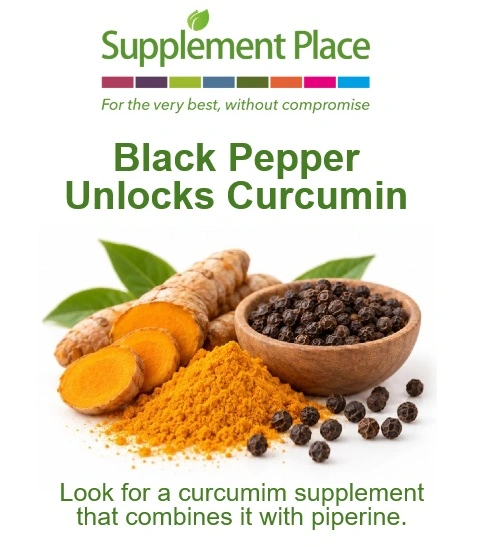
The bioavailability problem is real and worth knowing about. Plain curcumin powder is poorly absorbed by the gut. Combining it with piperine, the active compound in black pepper, increases absorption substantially. Many quality supplements standardise their curcumin to 95% curcuminoids and include piperine specifically for this reason. If your turmeric supplement doesn’t mention piperine or another absorption aid, it may be doing far less than the label implies.
It is worth noting that taking turmeric supplements alongside a small amount of healthy fat such as Greek yogurt, walnuts, flaxseed or oily fish, will also help your body absorb curcumin.
Suggested Dose: 500–2,000 mg of curcumin extract per day, standardised to 95% curcuminoids, taken with piperine or a fat-containing meal.
Precautions: High doses may cause digestive upset. Curcumin may interact with blood-thinning medications such as warfarin. Avoid high-dose supplementation during pregnancy. Those with gallstones or bile duct problems should speak to a GP first.
You can also take turmeric naturally through food — golden milk, curries, and soups are easy ways to incorporate it daily. Our guide to how to take turmeric naturally covers practical food-based approaches if you’d prefer to start there.
2. Ginger (Zingiber officinale)
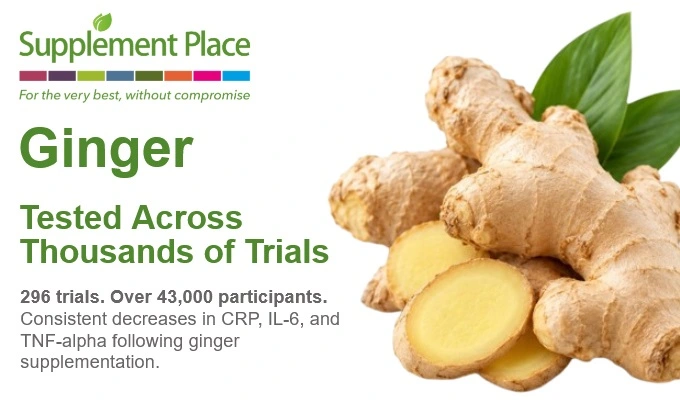
Ginger’s anti-inflammatory credentials are backed by one of the largest evidence bases of any medicinal plant. An umbrella review spanning 296 trials and over 43,000 participants found consistent decreases in CRP, IL-6, and TNF-alpha following ginger supplementation, as documented in this umbrella review of ginger’s metabolic and inflammatory effects. That’s a striking number of trials, and the consistency across them is meaningful.
The active compounds responsible are gingerols and shogaols. They inhibit both COX and LOX enzymes, which are the same inflammatory pathways targeted by common pharmaceutical anti-inflammatories, but with a gentler side-effect profile at normal doses.
Ginger is also one of the most accessible anti-inflammatory herbs there is. Fresh ginger root in hot water makes a simple daily drink. Powdered ginger works extremely well in cooking.
Suggested dose: 1,000–3,000 mg of dried ginger extract per day, divided across two or three doses.
Precautions: Ginger has mild blood-thinning properties. Those on anticoagulant medication should speak to a GP before supplementing. At high doses, ginger may cause heartburn or digestive discomfort in some people.
3. Boswellia Serrata (Indian Frankincense)
Boswellia serrata, derived from the resin of the Indian frankincense tree, has a specific and well-studied action on joint inflammation. Its key active compounds, boswellic acids, inhibit the 5-LOX enzyme pathway, which is involved in producing leukotrienes — inflammatory compounds particularly associated with joint pain and tissue damage.
A randomised, double-blind, placebo-controlled trial of Boswellia serrata extract in 90 people with knee osteoarthritis found significant reductions in both systemic and local joint inflammation. This means less knee pain, less stiffness and better joint function according to a PubMed trial on Boswellia serrata and knee osteoarthritis markers. That’s a properly controlled study, which gives its findings considerably more weight than anecdote.
For anyone dealing with joint pain or stiffness, Boswellia serrata is one of the more interesting options in the herbal toolkit. It doesn’t work overnight; most trials run for 8–12 weeks before meaningful changes appear.
Suggested dose: 300–500 mg of Boswellia serrata extract per day, standardised to at least 60% boswellic acids.
Precautions: Generally, well tolerated. Some people report mild gastrointestinal symptoms. May interact with anti-inflammatory medications. Speak to a GP before use during pregnancy.
Devil’s Claw (Harpagophytum procumbens)
Devil’s Claw is a Southern African medicinal plant with a long history of use for joint pain and arthritis. Its main active compound, harpagoside, is thought to reduce inflammatory signalling in a similar way to NSAIDs, though without the gastrointestinal risks associated with long-term pharmaceutical use.
Clinical research on Devil’s Claw has focused particularly on lower back pain and osteoarthritis of the hip and knee, where it appears to reduce both pain and stiffness. The European Medicines Agency has acknowledged its traditional use for musculoskeletal complaints.
Suggested dose: 600–2,610 mg of Devil’s Claw extract per day, standardised to harpagoside content, typically divided across two or three doses.
Precautions: May lower blood pressure and blood sugar. Not recommended during pregnancy. People with peptic ulcers, gallstones, or heart conditions should seek medical advice before use. May interact with anticoagulants and diabetes medications.
5. Willow Bark (Salix alba)
Willow bark is the original source of aspirin. The active compound, salicin, converts in the body to salicylic acid, which inhibits COX enzymes and reduces the production of prostaglandins — the compounds most associated with pain and inflammation.
It has been used for joint pain, headaches, and fever for centuries, and remains one of the better-evidenced herbal options for musculoskeletal discomfort. Compared to aspirin, willow bark tends to work more slowly but is generally gentler on the stomach at typical herbal doses.
Suggested dose: 120–240 mg of salicin per day from standardised willow bark extract.
Precautions: Avoid if you have an aspirin allergy or sensitivity to salicylates. Not recommended for children under 16, during pregnancy, or if taking blood thinners. May interact with NSAIDs and anticoagulant drugs.
Garlic, Rosemary, Green Tea, and Cinnamon: Additional Anti-Inflammatory Herbs
Beyond the five headline herbs, several others have meaningful anti-inflammatory evidence and are easy to incorporate through food as well as supplements.
Garlic (Allium sativum)
Garlic’s sulphur compounds, particularly allicin, have demonstrated anti-inflammatory properties in multiple studies. Garlic appears to reduce CRP and other inflammatory markers; it may also support cardiovascular health. Garlic is one of the few anti-inflammatory herbs where the food form, raw or lightly cooked, delivers sufficient active compounds to have a real effect without needing a supplement at all.
Suggested dose: 600–1,200 mg of aged garlic extract per day, or 1–2 fresh cloves daily.
Precautions: Garlic supplements can exert antiplatelet effects and may interact with blood thinners including warfarin. If you’re on blood-thinning medication, speak to your GP or pharmacist before adding garlic supplements to your routine.
Rosemary (Rosmarinus officinalis)
Rosemary’s anti-inflammatory action comes primarily from rosmarinic acid and carnosic acid, which both inhibit COX-2 and act as antioxidants. Research into rosemary’s essential oils has found particularly strong antioxidant activity as reported in this study on rosemary’s antioxidant properties.
Most people get rosemary through cooking, which is a perfectly reasonable way to access its benefits. Rosemary extract supplements exist and are more concentrated, but the culinary form is far from negligible.
Suggested dose: 400–750 mg of rosemary leaf extract per day, or liberal culinary use of fresh or dried rosemary.
Precautions: Taken in excessive amounts, rosemary can cause intestinal irritation, nausea and cramps. It also has convulsant properties, so large doses could trigger seizures. If you are pregnant or breast feeding, have epilepsy or seizures or use blood thinning medication you should check with your GP before taking rosemary as a supplement.
Green Tea (Camellia sinensis) and EGCG
Green tea’s main anti-inflammatory compound is EGCG (epigallocatechin gallate), a type of polyphenol which reduces several inflammatory signals. It’s also a strong antioxidant, which is very relevant because oxidative stress and inflammation feed each other.
Suggested dose: 400–800 mg of green tea extract per day, standardised to EGCG content, or 3–4 cups of brewed green tea daily.
Precautions: Green tea contains caffeine. High-dose EGCG supplements have been associated with liver concerns in rare cases; stick to reasonable doses and avoid taking on an empty stomach.
Cinnamon (Cinnamomum verum) and Exercise
Cinnamon is worth mentioning because of an interesting interaction between supplementation and physical activity. Research published in PubMedCentral found that cinnamon supplementation combined with Tabata training (a high-intensity interval training protocol which alternates between 20 seconds of maximum-effort exercise and 10 seconds of rest for eight rounds to complete a 4-minutes cycle), showed the greatest reductions in CRP and TNF-alpha among the interventions tested, according to this study on cinnamon, exercise, and inflammatory markers. This illustrates something that keeps appearing across the herbal research: anti-inflammatory herbs work better alongside, rather than instead of lifestyle change.
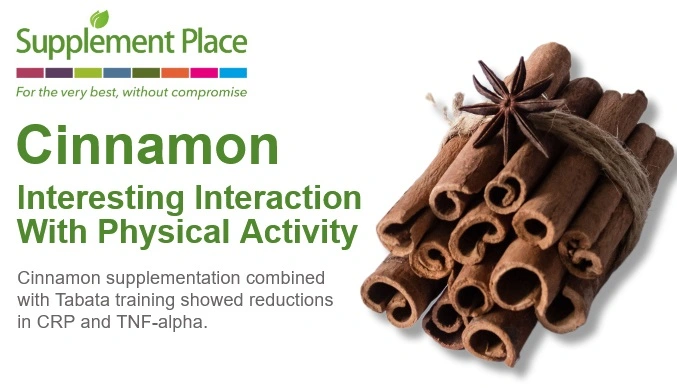
Cinnamon in food is easy to add and may offer modest benefits on its own. The evidence for supplement doses reducing inflammation is more preliminary than for turmeric or ginger, but it remains a genuinely useful spice to use generously.
Suggested dose: There is currently no established or official recommended daily dose for cinnamon supplements. Clinical studies commonly evaluate doses ranging from 1 to 6 grams per day which is between ½ to 2 teaspoons of powder, or packaged tablets/extracts
Precautions: Not all cinnamon is the same so if you wish to take it in supplement form it’s important to choose the right kind.
Cassia cinnamon is the most commonly used variety. It is high in a compound known as coumarin, and this is fine when used in cooking but in concentrated amounts as in supplement form, it may cause liver inflammation of toxicity.
Ceylon cinnamon is often labelled as ‘true’ cinnamon, and this variety contains only trace amounts of coumarin so is a much safer option to take as a supplement to protect your liver.
Concentrated cinnamon can interfere with blood thinners and with diabetic medication. It may also affect how your body clears certain antidepressant, blood pressure medication and statins.
Turmeric and Curcumin: The Most Studied Anti-Inflammatory Herb
It’s worth spending a little more time on turmeric, because the evidence base is so much larger than for most other anti-inflammatory herbs, and because the bioavailability issue genuinely affects how useful it is in practice.
Curcumin works primarily by blocking NF-kB activation. When NF-kB is switched on, it tells your cells to produce a cascade of pro-inflammatory compounds, including the TNF-alpha, IL-6, and CRP that show up in blood tests as markers of chronic inflammation. By interrupting this signalling, curcumin can theoretically dampen that background inflammatory noise. The research in metabolic conditions, particularly type 2 diabetes and metabolic syndrome, supports this idea.
But here’s the practical challenge: your gut doesn’t absorb curcumin particularly well on its own. Standard turmeric powder contains only about 3% curcumin by weight, and much of even that small amount passes through without being absorbed. Piperine, the compound that gives black pepper its heat, changes this significantly. If you’re taking a curcumin supplement, look for one that combines it with piperine. The dose matters far less if the compound never reaches your bloodstream.
Food-based turmeric absolutely has value too, particularly when cooked with fat and black pepper in traditional South Asian recipes. It simply delivers smaller amounts of curcumin than a standardised supplement. Both are worth doing. They’re not mutually exclusive.
Ginger (Zingiber officinale): A Warming Herb with Strong Anti-Inflammatory Evidence
Ginger stands out in the anti-inflammatory herb conversation partly because the sheer scale of the evidence is difficult to dismiss. The umbrella review of ginger’s effects, drawing on over 43,000 participants across nearly 300 trials, places it among the most extensively studied anti-inflammatory plants on record.
What makes ginger interesting is that it acts on multiple inflammatory pathways at once. Gingerols and shogaols both inhibit COX and LOX enzymes simultaneously. Most pharmaceutical anti-inflammatories target one or the other, not both. This dual action may partly explain why ginger consistently reduces several different inflammatory markers in research, not just one.
Ginger is also one of the few anti-inflammatory herbs with solid evidence for reducing nausea, supporting digestion, and easing muscle soreness after exercise. So, if joint inflammation and digestive comfort are both on your list, it earns its place twice over.
Fresh root, powdered spice, ginger tea, or capsules: all deliver the active compounds, though capsules allow more precise dosing if you’re using it therapeutically. Try adding a thumb-sized piece of fresh ginger to hot water with lemon in the morning. It’s a simple habit, and unlike many wellness routines, there’s genuinely good science behind it. If you would like more information you may like to read our article on the benefits of ginger.
Boswellia Serrata, Devil’s Claw, and Willow Bark for Joint Inflammation
These three herbs are particularly relevant if joint pain is your primary concern, and they work through somewhat different mechanisms, which means they may suit different people.
Boswellia serrata is now supported by properly controlled trial data showing reductions in joint-specific inflammatory markers over 90 days. That trial rigour matters. Many herbs have traditional use and anecdotal support, but randomised controlled trial data is a higher standard, and Boswellia serrata has earned it.
Devil’s Claw and Boswellia serrata are sometimes compared to NSAIDs in terms of their anti-inflammatory action, but they don’t carry the same risk of gastric damage with long-term use. That said, they’re not without interactions or contraindications, as the profiles above make clear. They work best as part of a broader approach that includes weight management, appropriate exercise, and diet, rather than as standalone solutions.
Willow bark occupies a slightly different position. Its salicin content gives it genuine pain-relieving properties alongside its anti-inflammatory action, so it’s the most relevant of the three if pain reduction is the priority rather than simply lowering inflammatory markers. People who can’t tolerate aspirin, however, should approach willow bark with caution for the same reasons.
If you’d like more background specifically on arthritis, our article covering everything about arthritis and joint health provides a fuller picture of how inflammation drives the condition and what approaches may help.
Dosage Guide and How to Take Anti-Inflammatory Supplements Safely
Getting the dose right matters more with herbal supplements than many people realise, partly because quality varies enormously between products and partly because higher isn’t always better.
The table below summarises suggested doses for the main anti-inflammatory herbs covered in this guide, based on ranges commonly used in clinical research.
| Herb | Common Form | Suggested Daily Dose | Key Active Compound |
| Turmeric / Curcumin | Standardised extract | 500–2,000 mg curcumin (with piperine) | Curcuminoids |
| Ginger | Dried extract or capsule | 1,000–3,000 mg | Gingerols, shogaols |
| Boswellia serrat | Resin extract | 300–500 mg (60%+ boswellic acids) | Boswellic acids |
| Devil’s Claw | Root extract | 600–2,610 mg | Harpagoside |
| Willow Bark | Standardised extract | 120–240 mg salicin | Salicin |
| Garlic | Aged extract or fresh | 600–1,200 mg extract | Allicin, sulphur compounds |
| Green Tea | EGCG extract | 400–800 mg | EGCG, catechins |
| Rosemary | Leaf extract | 400–750 mg | Rosmarinic acid, carnosic acid |
Cinnamon currently has no official recommended dose but clinical studies commonly evaluate doses ranging from 1 to 6 grams per day.
Key Safety Considerations
Several anti-inflammatory supplements and herbs have meaningful drug interactions which are worth taking seriously:
- Blood thinners (warfarin, aspirin, heparin): Curcumin, ginger, garlic, and willow bark all have mild antiplatelet or anticoagulant properties. Combining them with prescription blood thinners without medical supervision increases bleeding risk.
- Diabetes medications: Curcumin has shown blood sugar-lowering effects. Taking it alongside diabetes medication may cause blood sugar to drop further than intended.
- Anti-inflammatory drugs (NSAIDs): Combining herbal anti-inflammatories with NSAIDs may increase the risk of side effects without proportionate benefit.
- Pregnancy and breastfeeding: Most herbal supplements have not been studied in pregnancy and are best avoided in supplemental doses unless specifically advised by a healthcare professional.
The broader point: incorporating spice herbs into your daily diet can offer anti-inflammatory benefits without substituting for medical treatment, as noted in this PubMed review on dietary spice herbs and inflammation. Food-level consumption is almost always safe. Therapeutic supplement doses are a different matter and deserve more care.
Anti-Inflammatory Lifestyle: What Supplements Can’t Do Alone
Anti-inflammatory supplements are most effective when they sit within a broader lifestyle that doesn’t constantly drive inflammation upward. No amount of curcumin will outpace a consistently poor diet and chronic sleep deprivation.
The dietary changes with the strongest anti-inflammatory evidence are also the most straightforward. A Mediterranean-style diet, rich in oily fish, olive oil, vegetables, legumes, and wholegrains, consistently reduces inflammatory markers across population studies. Omega-3 fatty acids from oily fish and flaxseed directly compete with the building blocks of inflammatory compounds in your cells.
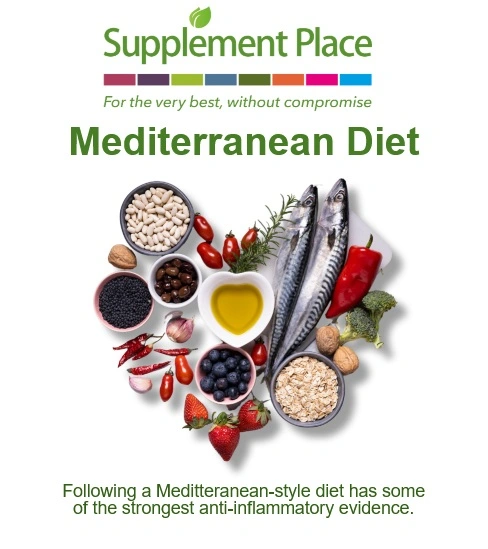
Regular moderate exercise reduces chronic inflammation over time. Excessive, poorly recovered high-intensity exercise does the opposite in the short term.
Stress management matters too. Chronic psychological stress activates the same inflammatory pathways that herbs like turmeric and ginger are trying to calm. Addressing the root cause alongside taking a supplement is a more complete approach.
If inflammation is affecting your joints in particular, our guide to natural approaches to immune and inflammatory responses covers complementary strategies worth knowing about.
Frequently Asked Questions About Anti-Inflammatory Supplements
Which anti-inflammatory supplement is most effective?
Curcumin (from turmeric) and ginger have the largest and most consistent bodies of evidence for reducing inflammatory markers. For joint pain specifically, Boswellia serrata has strong randomised controlled trial support. The “best” one depends on your specific concern and health situation.
How long do anti-inflammatory supplements take to work?
Most clinical trials run for 8–12 weeks before measuring meaningful changes. Expecting results within a few days is unrealistic for most herbal supplements.
Can I take multiple anti-inflammatory supplements together?
Some combinations are reasonable, for example turmeric and ginger are commonly taken together. But stacking multiple herbs with antiplatelet properties increases interaction risk. Keep your GP or pharmacist informed, particularly if you take any prescription medication.
Is it better to get anti-inflammatory compounds from food or supplements?
Both have value. Food provides compounds in their natural matrix, alongside other beneficial nutrients, and at doses that are very unlikely to cause harm. Supplements allow more precise, higher doses for therapeutic purposes. If you’re managing a specific condition, a supplement may be more appropriate. If you’re looking for general dietary support, food first is a perfectly sound approach.
Do anti-inflammatory supplements interact with prescription drugs?
Several do, particularly with blood thinners, NSAIDs, and diabetes medications. Always tell your GP and pharmacist what supplements you’re taking. Don’t assume ‘natural’ means ‘safe to combine with anything.’
Putting It All Together
If you’re new to anti-inflammatory supplements, starting with turmeric and ginger is a sensible choice. They have the strongest evidence, the widest safety profile at typical doses, and the added advantage of being genuinely useful in cooking. Build from there based on your specific needs.
For joint pain, Boswellia serrata and Devil’s Claw are worth considering alongside or instead of long-term NSAID use, but only with a GP’s input.
And don’t underestimate your plate. An oily fish dinner, a handful of walnuts, liberal use of turmeric and ginger in your cooking, a good night’s sleep, and a 30-minute walk do more for chronic inflammation than any single supplement. The herbs are part of that picture. They’re not the whole of it.
Also, if you’d like to understand more about how proteolytic enzymes fit into the inflammation picture alongside herbal supplements, our article on proteolytic enzymes and how they work is a worthwhile read.
Our Promise
When it comes to keeping you informed on health and nutrition, we’re here for you and aim to help where we can. If you would like to discuss any aspect of using natural supplements, or would like help choosing a product, the team at Supplement Place are always happy to point you in the right direction based on your specific situation. Please feel free to contact us on 01297 553932.