
Related Product
 Reduchol – Cholesterol Complex
Have you ever wondered if that nagging headache might be connected to your cholesterol levels?
Here’s the straightforward answer: high cholesterol does not directly cause headaches. This might surprise you, especially if you’ve been dealing with both issues. The research is clear on this point.
High cholesterol is what doctors call a ‘silent’ condition. It quietly does its damage without sending you warning signals like pain or discomfort. Unlike high blood pressure or diabetes, which can produce symptoms, your cholesterol levels can climb without you feeling a thing.
That said, the relationship between cholesterol and headaches is more nuanced than a simple yes or no. While high cholesterol itself won’t give you a headache, the complications it creates in your cardiovascular system might indirectly contribute to head pain. The narrowing of arteries, reduced blood flow to the brain, and associated conditions like high blood pressure can all play a part.
Throughout this blog we’ll explore what cholesterol actually does in your body, why it doesn’t directly cause headaches, and what connections do exist. You’ll learn about the surprising link between migraine with aura and cholesterol levels, understand when headaches might signal something more serious, and discover natural ways to manage your cholesterol through diet and lifestyle changes.
Most importantly, after reading this blog, you’ll know exactly what symptoms to watch for.
What is High Cholesterol and Why is it Called a Silent Condition?
Cholesterol is a waxy, fat-like substance your liver produces naturally. Your body needs it to build cell membranes, produce hormones, and create vitamin D. The problem starts when you have too much of it circulating in your bloodstream.
High cholesterol is often called a ‘silent killer’ for good reason. It produces no direct symptoms that you can feel. No headaches, no chest pain, no fatigue in most cases. You could have dangerously high levels for years and never know it without a blood test.
This silence is exactly what makes high cholesterol so dangerous. While it’s quietly accumulating in your arteries, it’s also setting the stage for serious cardiovascular problems. Over 99% of first-time cardiovascular events involve at least one traditional risk factor—often high cholesterol.
Some people develop visible signs only when cholesterol reaches extremely high levels. These rare indicators may include yellowish deposits around the eyes or on the skin called xanthomas. You might also notice a grey ring or halo around the cornea.
The absence of symptoms makes regular cholesterol testing essential, especially after age 40. If you have high blood pressure, diabetes, are a smoker or overweight then tests should be done earlier and more often. The lipid panel test measures your total cholesterol, LDL, HDL, and triglycerides.
The only certain way to know your cholesterol levels is by having a simple blood test. Your doctor will measure total cholesterol, LDL cholesterol, HDL cholesterol, and triglycerides. These numbers tell the complete story of your cardiovascular risk.
Understanding what these different types of cholesterol do in your body is the next crucial step in taking control of your heart health.
Understanding Good vs Bad Cholesterol: LDL and HDL
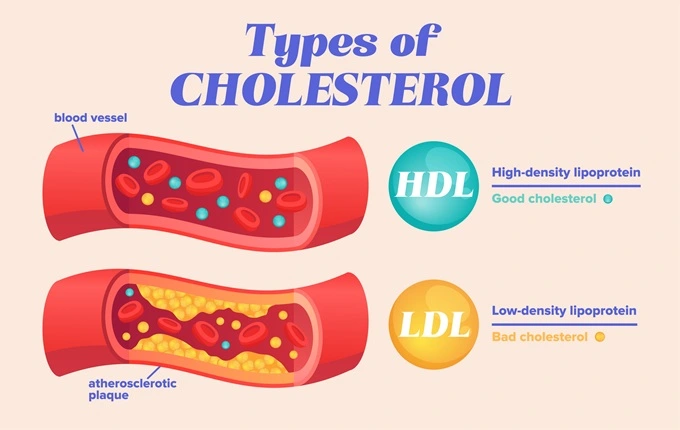
Not all cholesterol is created equal. Your body transports cholesterol through your bloodstream using two main types of lipoproteins, and they have very different jobs.
LDL Cholesterol: The Problematic Type
LDL stands for low-density lipoprotein, but you probably know it as ‘bad cholesterol.’ This name fits because LDL carries cholesterol to your arteries, where it can accumulate and form plaque.
When LDL cholesterol levels get too high, these particles start depositing cholesterol on your artery walls. Over time, this buildup narrows your arteries in a process called atherosclerosis. The narrower your arteries become, the harder your heart needs to work to pump blood through them.
HDL Cholesterol: Your Protective Factor
HDL stands for high-density lipoprotein, commonly called ‘good cholesterol.’ Think of HDL as your body’s cleanup crew. It picks up excess cholesterol from your arteries and tissues and transports it back to your liver for disposal.
Higher HDL levels do the work of protecting you against heart disease. This type of cholesterol helps remove the dangerous LDL buildup from your artery walls, which is why doctors want to see your HDL levels high and your LDL levels low.
The Balancing Act
Your total cholesterol number matters, but the ratio between LDL and HDL tells the real story. You can have high total cholesterol but still be at lower risk if most of it comes from HDL rather than LDL.
This balance becomes especially important when we look at specific health conditions, including certain types of headaches which research has linked to cholesterol levels.
The Surprising Link Between Migraine with Aura and Cholesterol
While high cholesterol doesn’t cause regular headaches, researchers have discovered an interesting connection between cholesterol levels and a specific type of migraine.
Migraine with aura is a particular form of migraine where you experience warning signs before the headache hits. These signs might include seeing flashing lights, zigzag lines, or temporary blind spots. Some people experience tingling in their hands or face, or difficulty speaking.

Migraine and other headache disorders have been studied for associations with cardiovascular risk factors. The research suggests that people who experience migraine with aura may have different cholesterol profiles compared to those without migraines.
Headache disorders—especially migraine with aura—have documented associations with cardiovascular risk factors, including cholesterol profiles.
What the Research Shows
Studies have found correlations between total cholesterol levels, triglycerides, and migraine with aura. The relationship appears complex and may involve how blood vessels respond to cholesterol levels and how the brain processes certain signals.
This doesn’t mean high cholesterol causes migraine with aura. Instead, both conditions may share common underlying factors related to cardiovascular health and blood vessel function. The connection highlights how interconnected our body systems truly are.
Why This Matters for Your Health
If you experience migraine with aura, it’s worth discussing your cholesterol levels with your doctor. Managing your cholesterol through natural means might have benefits beyond heart health. You’re potentially addressing multiple health concerns with the same lifestyle improvements.
The good news is that the same natural approaches that help lower cholesterol can also reduce migraine frequency for many people. We’ll explore this later, but first, let’s look into what other symptoms high cholesterol does cause, if not headaches.
What Other Symptoms Are Caused by High Cholesterol
Here’s a truth that surprises most people: high cholesterol typically causes no symptoms at all until it’s already done significant damage.
The absence of symptoms is what makes regular cholesterol screening so important:
- You can’t feel cholesterol building up in your arteries.
- Your body doesn’t send pain signals when plaque starts forming.
- There’s no warning system until something goes seriously wrong.
When Symptoms Finally Appear
By the time high cholesterol produces noticeable symptoms, you’re usually dealing with complications. These symptoms aren’t from the cholesterol itself but from what it’s caused in your cardiovascular system.
Chest pain or angina can develop when plaque buildup reduces blood flow to your heart. You might feel pressure, tightness, or discomfort in your chest, especially during physical activity or stress. This happens because your heart muscle isn’t getting enough oxygen-rich blood.
Shortness of breath often accompanies chest pain. As your heart struggles to pump blood through narrowed arteries, you might feel winded doing activities that never bothered you before. Climbing stairs or walking uphill becomes unexpectedly difficult.
Some people experience fatigue that seems disproportionate to their activity level. This happens when your heart and other organs aren’t receiving adequate blood flow due to atherosclerosis. Your body is working harder just to maintain normal function.
Warning Signs of Advanced Complications
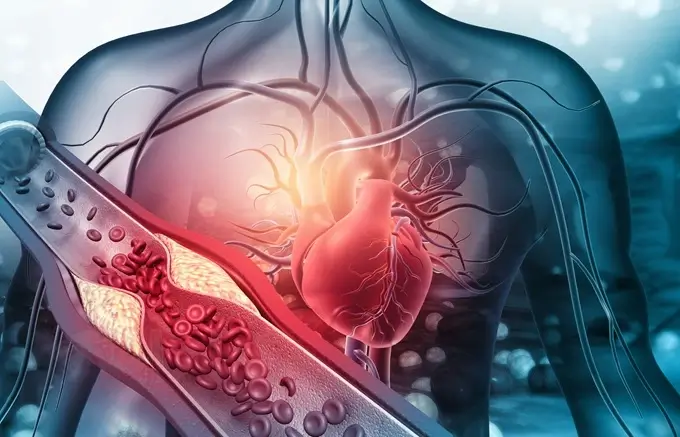
Severe complications from high cholesterol include heart attack and stroke. These medical emergencies have distinct warning signs you should never ignore.
Heart attack symptoms include chest pain that radiates to your arm, jaw, or back. You might feel nauseous, break out in a cold sweat, or experience sudden overwhelming fatigue. Some people describe feeling like an elephant is sitting on their chest.
Stroke symptoms often involve sudden numbness or weakness on one side of your body. Your face might droop on one side. You could have trouble speaking or understanding speech. Severe headache, vision problems, and loss of balance can also signal a stroke.
The key word here is ‘sudden.’ These symptoms come on quickly because they result from a blood vessel becoming blocked or rupturing, not from gradual cholesterol buildup.
This brings us to another question people often ask about high cholesterol and head-related symptoms.
Are Dizziness and Light-headedness Related to High Cholesterol?
Dizziness and light-headedness don’t directly result from high cholesterol either. However, the complications that high cholesterol creates can lead to these sensations.
When plaque build-up narrows the arteries supplying blood to your brain, you might experience reduced blood flow. This can cause feelings of light-headedness, especially when you stand up quickly or exert yourself physically.
The Blood Pressure Connection
High cholesterol and high blood pressure often go hand in hand. Many people with elevated cholesterol levels also develop hypertension. High blood pressure can cause dizziness, particularly when it spikes suddenly or drops too low from medication.
The combination of narrowed arteries from atherosclerosis and elevated blood pressure creates a perfect storm for reduced blood flow to your brain. When your brain doesn’t get enough oxygen-rich blood, you feel dizzy or lightheaded.
Other Cardiovascular Causes
Atherosclerosis can affect blood vessels throughout your body, including those in your neck that supply your brain. Reduced blood flow through these vessels can cause dizziness, balance problems, and even brief episodes of confusion.
If you experience frequent dizziness or light-headedness, don’t assume it’s just high cholesterol. These symptoms warrant a thorough medical evaluation. Your doctor needs to check your blood pressure, assess your cardiovascular health, and rule out other conditions.
The good news is that many of the same lifestyle changes that improve cholesterol levels also help stabilise blood pressure and improve overall circulation. Let’s explore those natural management strategies now.
How to Manage High Cholesterol and Headaches Naturally
Managing high cholesterol doesn’t automatically mean you need medication right away. For many people, natural lifestyle changes can significantly improve cholesterol levels and overall cardiovascular health.
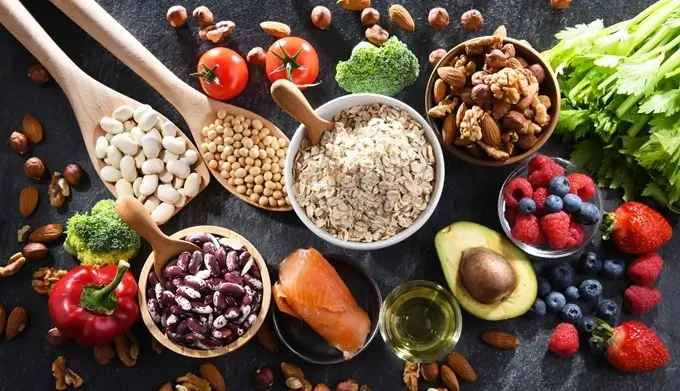
Dietary Changes That Make a Real Difference
Your diet has a powerful impact on your cholesterol levels. What you eat directly influences how much cholesterol your liver produces and how effectively your body removes excess cholesterol.
Start by increasing your soluble fibre intake. Foods like oats, barley, beans, lentils, apples, and pears contain soluble fibre that binds to cholesterol in your digestive system and helps remove it from your body. Aim for 5 to 10 grams of soluble fibre daily.
Add more omega-3 fatty acids to your diet through fatty fish such as salmon, mackerel, and sardines. These healthy fats help lower triglycerides and raise HDL cholesterol. If you don’t eat fish, consider plant-based sources like flaxseeds, chia seeds, and walnuts.
Plant sterols and stanols naturally block cholesterol absorption in your intestines. You’ll find them in foods like nuts, seeds, whole grains, and fortified products. Consuming 2 grams daily can lower LDL cholesterol by 5 to 10 percent.
Reduce your intake of saturated fats found in red meat, full-fat dairy products, and tropical oils. Replace these with healthier fats from olive oil, avocados, and nuts. This simple swap can significantly improve your cholesterol profile.
Exercise: Your Natural Cholesterol Medicine
Physical activity raises HDL cholesterol while lowering LDL cholesterol and triglycerides. You don’t need to become a marathon runner to see benefits.
Start with 30 minutes of moderate activity most days of the week. Brisk walking, swimming, cycling, or dancing all count. The key is consistency rather than intensity.
Exercise also helps you maintain a healthy weight, which directly impacts your cholesterol levels. Losing even 5 to 10 percent of your body weight can improve cholesterol numbers if you’re overweight.
Natural Approaches for Headache Management
If you’re dealing with headaches alongside high cholesterol, several natural strategies can help both conditions.
Hydration
Stay well hydrated. Dehydration is a common headache trigger and can affect blood viscosity and circulation. Aim for eight glasses of water daily, more if you’re active or during hot weather.
Stress
Manage stress through meditation, yoga, or deep breathing exercises. Stress raises cortisol levels, which can increase cholesterol production. Stress is also a major headache trigger for many people.
Sleep
Get adequate sleep every night. Poor sleep disrupts hormone balance and can worsen both cholesterol levels and headache frequency. Aim for seven to nine hours of quality sleep.
Help From Supplements
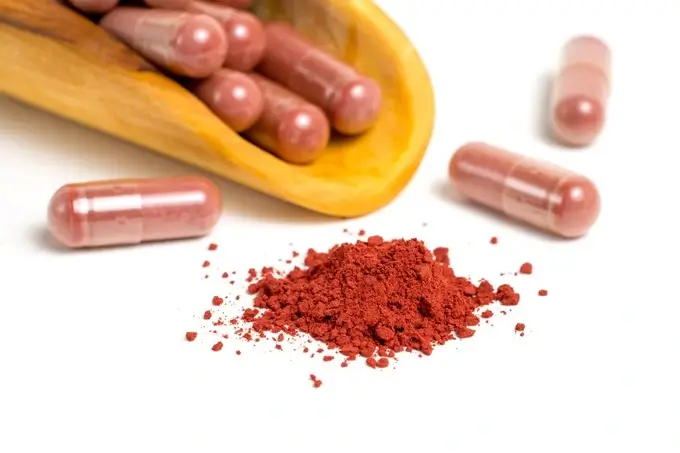
While food should always come first, certain supplements can provide additional support.
Berberine
Berberine, a compound found in several plants, berberine shows promise in clinical laboratory studies for cholesterol management. It works through multiple mechanisms to reduce LDL and triglycerides.
Coenzyme Q10
Coenzyme Q10 is a compound naturally produced by your body. Sometimes known as ubiquinone, it plays a crucial role in how your cells make energy and acts as a strong antioxidant. Coenzyme Q10 may help if you’re taking statin medications as statins can deplete your body’s natural CoQ10 levels. Some research suggests it might also help with migraine prevention.
Policosanol
Policosanol is a mixture of long-chain fatty alcohols found in several plant waxes. The richest source comes from sugarcane, and this is most often used for supplement purposes. Rice bran wax and wheat germ oil are also significant plant sources. Clinical trials with Cuban sugarcane found reduced total cholesterol (TC) and LDL (bad cholesterol) and increased HDL-C (good cholesterol).
Psyllium Husk
Psyllium husk is derived from the seeds of the Plantago ovata, a shrub from India, Pakistan, and Iran. It provides soluble fibre in supplement form so is particularly useful if you struggle to get enough fibre from food alone. Psyllium powder may be added to water or added to smoothies.
Red Yeast Rice
Red yeast rice contains compounds which are similar to statin medications and can lower LDL cholesterol. However, it can also have similar side effects to statins.
Our Relevant Supplements
- Reduchol Cholesterol Complex – our blend of Coenzyme Q10, red yeast rice, and policosanol.
- Coenzyme Q10 – produced by microbial fermentation, using bacteria Rhodobacter in a nature-identical process.
When to See a Doctor About Cholesterol and Headaches
Knowing when to seek medical attention is vital. Some situations require professional evaluation and potentially medical intervention beyond lifestyle changes.
When Lifestyle Changes Aren’t Enough
If you’ve made significant dietary and exercise changes for three to six months without seeing improvement in your cholesterol levels, it’s time to discuss medication options with your doctor.
Some people have genetic conditions that cause high cholesterol regardless of lifestyle and managing cholesterol levels, particularly in midlife, can help reduce the risk of dementia in later life. Research suggests that genetically lower cholesterol is associated with a significantly reduced risk of developing dementia.
If your LDL cholesterol remains above 190 mg/dL despite lifestyle changes, medication is typically necessary. The same goes if you have diabetes or established cardiovascular disease.
Headache Red Flags

Seek immediate medical attention if you experience a sudden, severe headache unlike any you’ve had before. This ‘thunderclap’ headache can signal a brain haemorrhage or other serious condition.
Get urgent medical attention if your headache comes with fever, stiff neck, confusion, vision changes, difficulty speaking, numbness, or weakness. These symptoms could indicate a stroke or other neurological emergency.
See your doctor as soon as possible if you have headaches which are getting progressively worse, changing in pattern, or not responding to over-the-counter treatments. Also get evaluated if headaches start after age 50 or are triggered by physical exertion.
The Comprehensive Approach
Your doctor should evaluate both your cardiovascular risk and headache patterns together. This comprehensive approach helps identify any indirect connections between your cholesterol levels and head pain.
Be prepared to discuss your family history, lifestyle habits, stress levels, and any other symptoms you’re experiencing. Keep a headache diary noting when headaches occur, their severity, potential triggers, and what provides relief.
might include blood pressure monitoring, blood sugar testing, imaging studies of your brain or blood vessels, or specialised cardiovascular assessments.
Quick Answers to Common Questions
How do you feel when your LDL (bad) cholesterol is high?
Most people feel completely normal with high LDL cholesterol. It produces no symptoms you can sense. Some people eventually experience chest pain, fatigue, or shortness of breath during physical activity, but these symptoms indicate advanced artery narrowing rather than high cholesterol itself.
Can high cholesterol cause headaches?
Elevated cholesterol does not directly cause headaches. Medical research and major health organisations don’t recognise headaches as a symptom of high cholesterol. If you’re experiencing headaches, look for other causes and address your cholesterol as a separate health concern.
Are Dizziness and Lightheadedness Related to High Cholesterol?
Dizziness and lightheadedness don’t directly result from high cholesterol either. However, the complications that high cholesterol creates can lead to these sensations.
When plaque buildup narrows the arteries supplying blood to your brain, you might experience reduced blood flow. This can cause feelings of lightheadedness, especially when you stand up quickly or exert yourself physically.
Taking Control of Your Heart Health
The relationship between high cholesterol and headaches is complex. While high cholesterol doesn’t directly cause headaches, understanding both conditions helps you take better care of your overall health.
High cholesterol is silent but serious. It works behind the scenes, potentially setting up cardiovascular problems that could eventually affect blood flow to your brain. Regular screening is your best defence for catching problems early.
Focus on what you can control through natural means. Fill your plate with fibre-rich foods, healthy fats from fish and nuts, and plenty of fruits and vegetables. Move your body regularly. Manage stress through techniques that work for you. Get quality sleep each night.
These lifestyle changes benefit both your cholesterol levels and your overall wellbeing. They may even reduce headache frequency if you’re prone to migraines. The beauty of natural approaches is that they improve multiple aspects of your health simultaneously.
Don’t wait for symptoms to appear before taking action. Schedule a cholesterol screening if you’re due for one and track your numbers over time. Work with your doctor to create a personalised plan that fits your specific health profile and risk factors.
Your cardiovascular health deserves attention today, not tomorrow. Start with one small change this week. Add a serving of oatmeal to your breakfast, take a 20-minute walk after dinner, and replace butter with olive oil in your cooking. These are three very simple things which will help tremendously to lower your bad cholesterol.
Small steps lead to significant results when you take them consistently. Your heart and your brain will thank you for the effort.
Our Promise
When it comes to keeping you informed on health and nutrition, we’re here for you and aim to help where we can. If you would like to discuss any aspect of using natural supplements, or would find advice helpful, please feel free to contact us on 01297 553932.