

Related Product
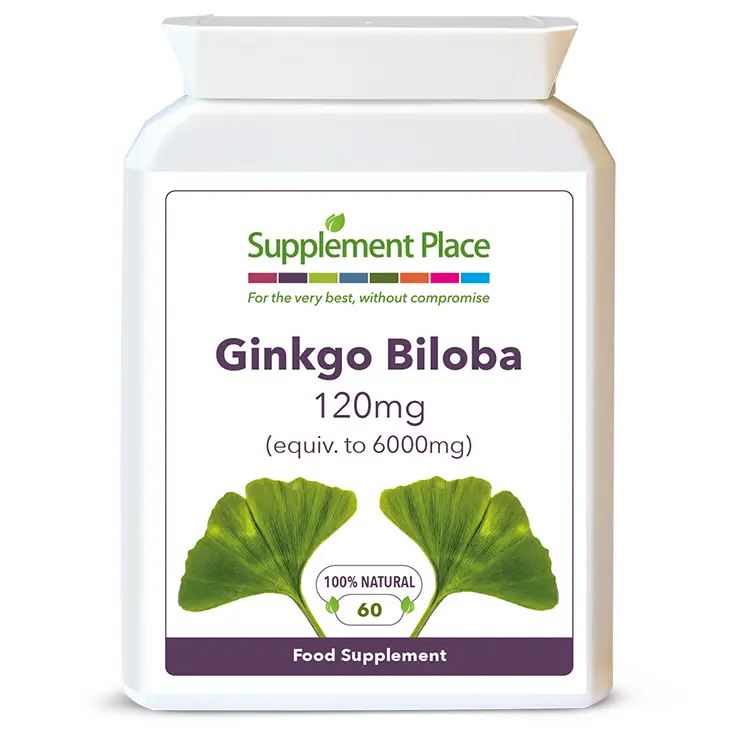 Ginkgo Biloba Leaf Extract
It may surprise you to learn that one of Earth’s most ancient trees holds the secrets to better brain health, improved circulation, and sharper memory.
Ginkgo biloba represents a living fossil with an evolutionary history spanning hundreds of millions of years. This tree was living on earth before the age of the dinosaurs. It has survived ice ages and mass extinctions while developing unique compounds that modern science is only now beginning to fully understand.
What makes this tree so special for your health? The leaves contain powerful flavonoids and terpenoids that work as antioxidants, potentially protecting your brain cells from damage while improving blood flow throughout your body. These natural compounds may support everything from memory and focus to eye health and circulation.
In this guide, you’ll discover what science says about ginkgo biloba’s benefits for dementia, cognitive function, blood flow, and more. We’ll explore the research behind the claims, discuss safety concerns and drug interactions, and help you understand proper dosing. Most importantly, we’ll look at how natural dietary choices can complement supplement use.
What Is Ginkgo Biloba?
Ginkgo biloba is more than just another supplement on the shelf. It’s the last surviving member of an ancient plant family that predates most modern trees.
The tree originates from China, where traditional practitioners have used the leaves for thousands of years. Today, it’s one of the most popular herbal supplements worldwide, particularly in Europe and North America.
What sets ginkgo apart from other plants is its remarkable resilience. Individual trees can live for over 1,000 years. One ginkgo tree famously survived the atomic bombing of Hiroshima, sprouting new growth despite massive destruction around it.
The fan-shaped leaves turn golden yellow in autumn, making mature trees a stunning landscape feature. But it’s the properties within those leaves that capture medical attention.
Active Compounds in Ginkgo
The primary bioactive constituents of ginkgo biloba extract include flavonoid compounds and terpenoid lactones, with the standardised extract containing at least 24% flavonoid content.
These flavonoids act as antioxidants. They help neutralise free radicals, which are unstable molecules that can damage cells throughout your body. Think of antioxidants as your cellular cleanup crew, constantly working to prevent oxidative stress.
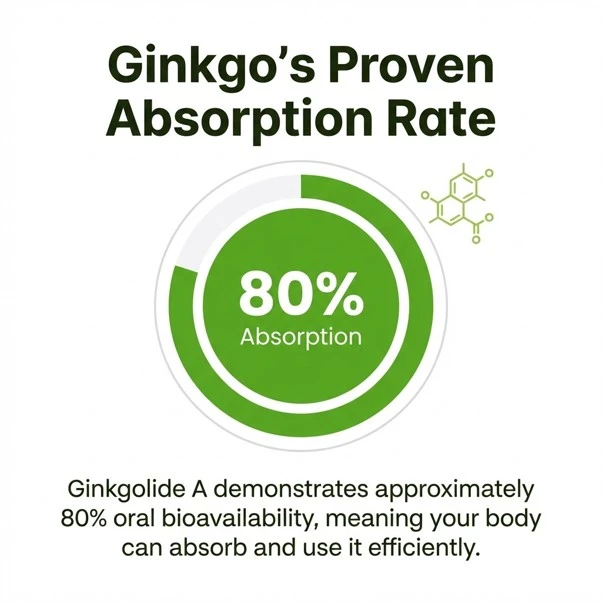
The terpenoids in ginkgo, particularly ginkgolides and bilobalide, have different effects. They may influence blood flow and protect nerve cells. Ginkgolide A demonstrates approximately 80% oral bioavailability, meaning your body can absorb and use it efficiently.
Most research studies use standardised extracts like EGb 761. This ensures consistent amounts of active compounds across different batches and studies.
Natural Food Sources of Similar Compounds
You don’t necessarily need supplements to get antioxidants and circulation-supporting compounds. Many common foods provide similar benefits.
Flavonoids appear abundantly in berries, citrus fruits, apples, onions, and dark chocolate. Green tea offers powerful antioxidant catechins. Red grapes and wine contain resveratrol, another compound that supports circulation.
For terpenoid-like benefits, focus on herbs and spices. Rosemary, sage, and turmeric all contain compounds that protect brain cells and reduce inflammation.
A wholefood diet rich in colourful fruits, vegetables, nuts, and whole grains provides thousands of beneficial plant compounds.
Benefits of Ginkgo Biloba for Brain Health
The most researched area for ginkgo biloba involves cognitive function. Scientists want to know if it can protect ageing brains or improve memory.
The theory makes sense: if ginkgo improves blood flow to the brain while providing antioxidant protection, it might help maintain mental sharpness. But does the research support this?
What Studies Show About Memory
In healthy adults, supplementation with ginkgo biloba enhanced memory function, linked to specific structural neural changes. This suggests potential benefits for people without existing cognitive problems.
However, results vary significantly between studies. Some trials show modest improvements in memory tasks. Others find no difference compared to placebo.
The strongest evidence appears in older adults experiencing age-related memory concerns. Younger people with normal cognitive function typically see less dramatic effects.
Duration matters too. Most positive studies involve taking ginkgo extract daily for at least 12 weeks. Shorter trials rarely show meaningful benefits.
Ginkgo Biloba Benefits for Dementia and Alzheimer’s Disease
Can ginkgo slow dementia progression? This question drives much of the research interest.
A detailed Cochrane systematic review published in 2026 analysed 82 randomised controlled trials involving 10,613 total participants. The findings were mixed but showed some promise in specific populations.
Thirteen studies involving 3,288 participants compared ginkgo with placebo specifically in dementia populations. Results suggested modest benefits for neuropsychiatric symptoms rather than dramatic cognitive improvements.
One particularly interesting finding: in a retrospective cohort study, amyloid PET-positive mild cognitive impairment patients receiving ginkgo biloba showed greater improvement in Mini-Mental State Examination scores compared to standard cognitive enhancers.
The takeaway? Ginkgo shows potential as a complementary approach for certain dementia patients, particularly those with specific biomarkers. It’s not a cure or prevention strategy with strong evidence.
Supporting Brain Health Through Lifestyle
While ginkgo research continues, we know certain lifestyle factors powerfully protect cognitive function.
- Exercise – Regular exercise improves blood flow to the brain – even 30 minutes of walking most days benefits memory and mental clarity.
- Sleep – Sleep quality matters enormously. Your brain clears metabolic waste during deep sleep. Chronic sleep deprivation increases dementia risk regardless of supplement use.
- Sociability – Social connections keep your mind engaged. Meaningful conversations and relationships provide cognitive stimulation that supplements can’t replicate.
- Learning – Learning new skills creates neural pathways. Whether it’s a language, instrument, or hobby, challenging your brain regularly maintains its flexibility.
Ginkgo Biloba Benefits for Circulation
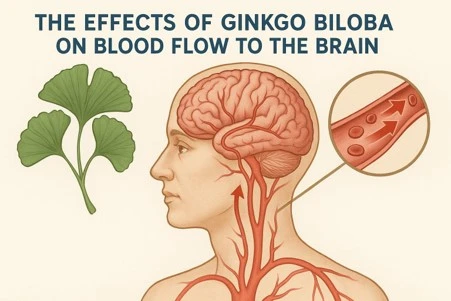
Improved blood flow represents another major area of ginkgo research. The theory suggests that terpenoids in ginkgo help blood vessels relax and widen.
Better circulation could benefit multiple body systems. Your brain needs constant blood flow to function properly. Your heart depends on healthy blood vessels. Even your eyes require good circulation to maintain vision.
Evidence for Peripheral Arterial Disease
Peripheral arterial disease causes reduced blood flow to the legs. People with this condition often experience pain when walking.
A 2013 Cochrane review of intermittent claudication noted that ginkgo showed a weighted mean difference in pain-free walking distance of 34 metres compared to placebo.
While 34 meters might not sound dramatic, it can meaningfully improve daily function for people with circulation problems. The difference between being able to walk to the shops comfortably versus experiencing pain really does matter.
Natural Ways to Improve Circulation
Supplements aren’t the only path to better blood flow. Simple lifestyle changes can often produce dramatic results:
- Movement – Movement is medicine for your circulatory system. Walking, swimming, or cycling all strengthen your heart and improve blood vessel function.
- Hydration – Staying hydrated helps blood flow smoothly. Dehydration makes blood thicker and harder to pump through small vessels.
- Diet – Foods that support circulation include beetroot, leafy greens, fatty fish, nuts, and citrus fruits. These provide nitric oxide precursors that help blood vessels relax.
- Smoking – Avoiding smoking makes an enormous difference. Tobacco constricts blood vessels and damages their inner lining, counteracting any benefit supplements might provide.
Benefits for Eye Health and Vision
Your eyes need excellent blood flow and antioxidant protection. The retina has one of the highest metabolic rates in your body.
Ginkgo research in ophthalmology focuses on conditions like glaucoma, macular degeneration, and diabetic retinopathy. These diseases all involve oxidative stress or circulation problems.
Research on Diabetic Eye Disease
Diabetes can damage the small blood vessels in your retina. This leads to vision problems and potentially blindness if uncontrolled.
Ginkgo biloba extract was shown to modulate TP53 ubiquitination, suggesting attenuation of diabetic retinopathy progression. This cellular mechanism could help protect retinal cells from high blood sugar damage.
However, this remains early-stage research. Larger human trials are needed before recommending ginkgo specifically for diabetic eye disease.
For comprehensive information about protecting your vision, check out our guide to eye health supplements.
Protecting Your Eyes Naturally
Diet plays a huge role in eye health. Certain nutrients consistently appear in research on vision protection.
- Lutein and zeaxanthin – Found in kale, spinach, and egg yolks, these carotenoids concentrate in your macula, filtering harmful blue light.
- Omega-3 fatty acids – Found in fatty fish-like salmon, sardines, and mackerel as well as eggs, omega 3 can support the health of your retina’s cell membranes.
- Vitamin C and E – Found in citrus fruits, berries, nuts, and seeds, these vitamins work as antioxidants throughout your eyes.
- Blood sugar – Controlling blood sugar matters enormously if you have diabetes. Stable glucose levels help prevent the vessel damage that threatens vision.
Potential Benefits for Mental Health
Some research explores whether ginkgo biloba benefits extend to mood and anxiety. The rationale connects to brain blood flow and antioxidant effects.
Depression and anxiety involve complex neurochemical changes. Could improving circulation or reducing oxidative stress help symptoms?
Evidence for Anxiety and Depression
Studies on ginkgo for mental health show inconsistent results. Some trials suggest modest improvements in anxiety symptoms. Others find no meaningful effects.
The quality of evidence remains lower than for cognitive or circulation research. We lack large, well-designed trials specifically targeting mood disorders.
Ginkgo should never replace proven treatments for depression or anxiety. Therapy and medication both have much stronger evidence for effectiveness.
If you’re interested in natural approaches to mental health, our natural stress relief guide covers evidence-based lifestyle strategies.
Lifestyle Factors That Support Mental Health
Your daily habits profoundly influence mood and anxiety levels:
- Exercise – Regular exercise reduces anxiety and depression as effectively as many medications. The key is consistency, not intensity.
- Sunlight – Sunlight exposure helps regulate your circadian rhythm and supports vitamin D production. Both influence mood significantly.
- Sociability – Social connection protects mental health. Isolation increases depression risk, while meaningful relationships provide resilience.
- Sleep – Sleep quality and mental health form a bidirectional relationship. Poor sleep worsens mood, while anxiety disrupts sleep. Prioritising sound sleep helps break this cycle.
Ginkgo Biloba for ADHD and Focus
Parents of children with ADHD, as well as adults with the condition, sometimes turn to herbal supplements seeking alternatives to stimulant medications. Does ginkgo help with attention and focus?
The research here is limited but informative. A double-blind, randomised clinical trial comparing ginkgo biloba with methylphenidate in children showed that methylphenidate was more effective in reducing ADHD symptoms.
This doesn’t mean ginkgo has zero effect on focus. It simply performs less effectively than proven ADHD medications.
Some people report subjective improvements in concentration when taking ginkgo. Individual responses vary, and placebo effects are powerful with cognitive supplements.
For more information about natural approaches to ADHD management, see our supplements for ADHD guide.
Non-Supplement Strategies for Focus
Whether or not you use ginkgo, certain habits reliably improve attention and concentration:
- Diet – Protein-rich breakfasts stabilise blood sugar and support neurotransmitter production. This helps maintain focus throughout the morning.
- Movement – Regular movement breaks improve attention in both children and adults. Even two minutes of physical activity can reset concentration.
- Distractions – Reducing environmental distractions makes a bigger difference than most supplements. Turn off notifications, create dedicated workspaces, and use noise-cancelling headphones when needed.
- Sleep – Adequate sleep is non-negotiable for focus. Sleep deprivation mimics ADHD symptoms even in people without the condition.
Ginkgo biloba Dosage
Most studies use between 120 and 240 mg of ginkgo extract daily. This range appears both safe and potentially effective.
Start with lower doses, around 120 mg daily, and increase gradually if needed. This helps minimise side effects.
Take ginkgo with food to reduce the chance of stomach upset.
Give it time to work. Most cognitive benefits take at least 4-6 weeks to become noticeable. Some studies use 12-24 week trials.
Ginkgo Biloba Side Effects and Safety
The most significant risk involves bleeding, and studies show that there is a correlation between ginkgo biloba administration and possible bleeding events.
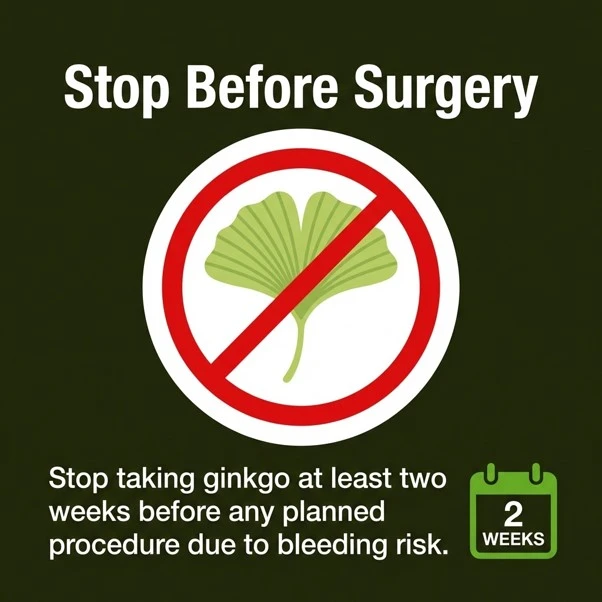
This risk becomes particularly relevant before surgery. It’s important to stop taking ginkgo at least two weeks before any planned procedure.
It’s not advisable to take ginkgo if you have haemophilia or similar conditions affecting blood clotting.
People with seizure disorders should exercise caution. Some reports suggest ginkgo might lower seizure threshold, though evidence remains limited.
Pregnant and breastfeeding women should avoid ginkgo as there is currently a lack of adequate safety data.
Drug Interactions and Medication Concerns
Ginkgo biloba interacts with several common medications.
Anticoagulant and Antiplatelet Medications
- •Warfarin users face particularly high risks. The combination of warfarin and ginkgo can lead to dangerous bleeding episodes.
- Aspirin, even low-dose aspirin for heart protection, interacts with ginkgo. The combined antiplatelet effects increase bleeding tendency.
- Clopidogrel users should avoid ginkgo as well. This antiplatelet medication combined with ginkgo raises haemorrhage risk.
Other Medication Interactions
Beyond blood thinners, ginkgo interacts with various other drugs.
- Diabetes medications may work differently when combined with ginkgo. The supplement might affect blood sugar levels, requiring medication adjustments.
- Antidepressants, particularly SSRIs, can interact with ginkgo. Some reports suggest increased risk of serotonin syndrome, though evidence remains limited.
- Seizure medications may become less effective when taken with ginkgo. This could increase seizure frequency in people with epilepsy.
- Pain medications, especially NSAIDs like ibuprofen, combined with ginkgo increase bleeding risk. Use caution with over-the-counter pain relievers.
How to Use Ginkgo Biloba
Choosing the right ginkgo biloba product and dose matters for both safety and potential effectiveness.
Not all ginkgo supplements are created equal. Quality and standardisation varies significantly between brands.
Standardised Extracts vs. Raw Herb
Most research uses standardised extracts, particularly EGb 761. These extracts guarantee specific amounts of active compounds.
Look for products standardised to contain 24% flavone glycosides and 6% terpene lactones. This matches the composition used in clinical trials.
Raw ginkgo leaf powder or tea contains much lower concentrations of active compounds. You’d need to consume large amounts to match extract doses.
Capsules and tablets offer the most convenient and reliable dosing. Liquid extracts work too but require careful measurement.
Complementary Approaches
Whether you choose to use ginkgo biloba or not, numerous natural approaches support brain health, circulation, and overall wellness.
- Food choices influence your health and it’s good to focus on whole foods rich in protective compounds.
- Exercise regularly, aiming for at least 150 minutes of moderate activity weekly. Both aerobic exercise and strength training benefit your brain and heart.
- Prioritise sleep quality. Aim for between seven to nine hours of good sleep per night.
- Manage stress through meditation, yoga, time in nature, or other practices that work for you. Chronic stress damages brain cells and blood vessels.
- Stay socially connected. Strong relationships and meaningful conversations provide cognitive stimulation and emotional support.
- Challenge your mind regularly. Learning new skills, solving puzzles, reading, or engaging in creative activities all build cognitive reserve.
If you’re experiencing brain fog or concentration issues, check out our supplements for brain fog guide for additional natural approaches.
Making an Informed Decision About Ginkgo Biloba
So, should you take ginkgo biloba? The answer depends on your individual situation, health status, and goals.
The research shows potential benefits for specific populations. Older adults with mild cognitive concerns or circulation problems may see modest improvements. People with dementia accompanied by neuropsychiatric symptoms may benefit from standardised extracts.
Safety concerns matter, especially the bleeding risk. If you take blood thinners, have a bleeding disorder, or face upcoming surgery, avoid ginkgo entirely.
Start with lifestyle foundations before adding supplements. Regular exercise, quality sleep, a wholefood or Mediterranean-style diet, stress management, and social connection all have strong evidence for protecting your brain and heart.
If you decide to try ginkgo, choose a standardised extract. Start with 120 mg daily. Give it at least two to three months to assess effects. If you take any of the medications highlighted, talk with your healthcare provider before starting.
Focus on the bigger picture of health rather than seeking a single supplement solution. Ginkgo biloba might complement a healthy lifestyle, but it won’t compensate for poor sleep, terrible diet, or chronic stress.
Related Product
Our Promise
When it comes to keeping you informed on health and nutrition, we’re here for you and aim to help where we can. If you would like to discuss any aspect of using natural supplements, or would find advice helpful, please feel free to contact us on 01297 553932