
Related Product
 Omega 3 (Vegan)
Are you looking for natural ways to support focus and calm without relying solely on medication? Certain natural supplements can offer meaningful support to improve symptoms of ADHD when combined with dietary improvements and lifestyle changes. Let’s investigate which natural foods and supplements can support improvements in ADHD symptoms.
Think of natural ADHD supplements as one part of a broader strategy. You can then boost your results by eating fatty fish twice weekly, getting quality sleep, and staying physically active. This guide will show you the most studied natural supplements for ADHD symptoms. You’ll learn which nutrients matter most, how to get them from food, and what the research has revealed about effectiveness and safety concerns.
Consult a healthcare provider before starting supplements—especially for children or if taking medications.
Understanding Natural Supplements for ADHD and Brain Health
Natural ADHD supplements work by supporting brain chemistry and neurotransmitter function. They’re not magic pills that replace healthy habits or medical treatment. Instead, they fill nutritional gaps that may worsen ADHD symptoms such as hyperactivity, inattention, and impulsivity. The brain needs specific building blocks to produce dopamine and other neurotransmitters involved in focus and self-control.
Deficiencies in certain minerals such as zinc, ferritin and magnesium have been consistently linked with problems in regulating attention and behaviour. Some people with ADHD show low levels of these minerals and it is useful to get deficiency medically confirmed so that targeted supplementation can be introduced.
Examining your diet may help with identifying possible deficiency but if this proves insufficient, screening can be carried out by a medic measuring ferritin, red blood cell magnesium, and serum zinc/vitamin D levels. This form of testing is particularly necessary for anyone with poor dietary intake.
It’s worth noting that most studies into mineral deficiency demonstrate that low levels are often associated with ADHD, but the deficiency is unlikely to be the cause of the condition. Current medical evidence does not support using mineral supplementation alone as a treatment for ADHD but recommends improved dietary routines.
Omega-3 Fatty Acids: The Most Studied Natural ADHD Supplement
Omega-3 fatty acids, particularly EPA and DHA, may offer some benefit for those with ADHD. These polyunsaturated fatty acids are crucial building blocks for brain cell membranes and neurotransmitter function. Multiple randomised controlled trials and systematic reviews have examined their effects on ADHD symptoms with promising results. Research trials have found benefits for children with low baseline omega-3.
EPA appears particularly important for reducing hyperactivity and improving attention. DHA supports overall brain development and cognitive function. Most effective omega-3 supplements for ADHD contain higher ratios of EPA to DHA, typically around 2:1 or 3:1. Dosages used in research studies range from 1000mg to 2500mg total omega-3s daily.
The effects build slowly over 8-12 weeks of consistent supplementation. You’re supporting fundamental brain chemistry rather than creating an immediate shift in neurotransmitters. This gradual approach suits people looking for long-term ADHD management strategies alongside other treatments.
Getting Omega-3s from Your Diet
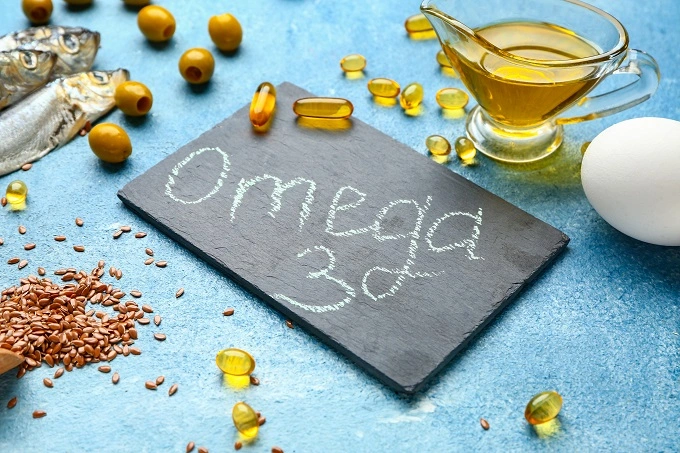
Fatty fish provides the richest food source of EPA and DHA. Salmon, mackerel, sardines, pilchards and anchovies deliver substantial amounts in each serving. Eating these fish twice weekly gives you significant omega-3 intake without supplements. Both fresh and tinned oily fish work well.
Plant sources like flaxseed, chia seeds, and walnuts contain ALA, a different type of omega-3. Your body converts small amounts of ALA into EPA and DHA, but the conversion rate is quite low. Vegetarians and vegans may benefit more from algae-based DHA supplements to ensure adequate intake.
Cooking methods matter too. Baking or grilling fish preserves omega-3 content better than deep frying. Storing nuts and seeds in the fridge prevents the delicate fats from going rancid. These simple steps maximise the nutritional value you’re getting from food sources.
Omega-3 Dosage and Safety Considerations
Research studies typically use 1000-2500mg combined EPA and DHA daily for children and adolescents with ADHD. Adults may benefit from similar or slightly higher doses. Look for supplements which clearly list EPA and DHA amounts separately rather than just total omega-3 content.
Side effects are generally mild and may include fishy burps, mild stomach upset, or loose stools. Taking supplements with meals and choosing high-quality brands reduces these issues. Some people prefer liquid fish oil, whilst others find capsules more convenient. Fish-oil alternatives are also available, often sourced from algae or buckwheat, and suitable for vegans
Omega-3 supplements can thin blood slightly, which matters if you’re taking anticoagulant medications or have bleeding disorders. Always discuss supplementation with your doctor, especially before surgery. Quality matters significantly with fish oil, as contaminants like mercury can appear in poorly manufactured products.
Iron Supplementation for ADHD Symptoms
Iron deficiency affects brain function in multiple ways. This mineral is essential for dopamine synthesis and myelin production. Low ferritin levels correlate with worse ADHD symptoms in some studies. Children with ADHD show higher rates of iron deficiency compared to children without ADHD.
Iron supplementation may improve behaviour and attention in children with documented low ferritin levels. The benefits appear most significant when ferritin falls below 30 ng/mL (nanograms per millilitre). However, supplementing iron in the absence of a confirmed deficiency doesn’t appear to be helpful and may carry risks.
Blood testing is essential before iron supplementation. You need to know your ferritin and haemoglobin levels. Taking iron supplements when your levels are already adequate can cause iron overload, which damages organs over time. Never supplement iron without medical guidance.
Dietary Iron for Brain Health
Red meat provides highly absorbable haem iron. Your body absorbs 15-35% of haem iron from meat sources. Beef and lamb are particularly rich sources. Even small amounts of red meat several times weekly can significantly boost iron status.
Plant sources contain non-haem iron, which absorbs less efficiently at about 2-20% absorption rate. Spinach, lentils, beans, and fortified cereals provide non-haem iron. Combining these foods with vitamin C dramatically increases absorption. A spinach salad with strawberries or beans with tomato sauce optimises iron uptake.
Some foods and drinks block iron absorption. Calcium, coffee, and tea reduce iron uptake when consumed with iron-rich meals. Spacing these items at least two hours apart from iron-rich foods maximises absorption. This matters especially for people relying primarily on plant-based iron sources.
Iron Supplementation Safety Concerns
Iron supplements commonly cause constipation, dark stools, and stomach upset. Starting with lower doses and gradually increasing helps your body adjust. Taking iron with vitamin C improves absorption while potentially reducing stomach discomfort.
Children face serious risks from iron overdose. Even a few adult iron tablets can be life-threatening for young children. Store iron supplements safely out of reach. If they are taken accidentally, seek emergency medical help immediately.
Iron interacts with multiple medications including thyroid hormones, antibiotics, and medications for Parkinson’s disease. Taking iron supplements at different times from these medications prevents most interactions. Always inform your doctor about all supplements you’re taking.
Zinc Supplementation for Reducing Hyperactivity and Impulsivity
Zinc plays a vital role in dopamine production and regulation. This mineral helps control impulsivity and hyperactivity, two core ADHD symptoms. Some research suggests children with ADHD have lower zinc levels than children without ADHD. Supplementing may improve symptoms in those with a diagnosed zinc deficiency.
Studies examining zinc for ADHD typically use doses of around 15-30mg daily for children. The effects appear most pronounced in populations with low baseline zinc levels. Testing serum zinc before supplementing helps identify who might benefit most from this intervention.
Zinc supplementation works gradually over several weeks. You will be correcting an underlying nutritional deficiency rather than creating an immediate pharmacological effect. This makes zinc a good complementary approach alongside other ADHD treatments, but not a standalone solution for most people.
Food Sources Rich in Zinc
Oysters contain more zinc per serving than any other food. Just three oysters provide over 400% of daily zinc needs. Other excellent sources include beef, pork, chicken, and lamb. Red meat provides highly absorbable forms of zinc that your body uses efficiently.
Plant-based zinc sources include pumpkin seeds, cashews, chickpeas, and lentils. However, phytates in plant foods can reduce zinc absorption. Soaking, sprouting, or fermenting these foods increases zinc availability. Vegetarians may need higher zinc intake to compensate for lower absorption rates.
Fortified breakfast cereals often contain added zinc. Check nutrition labels to compare amounts across brands. Combining zinc-rich foods with vitamin C sources enhances absorption. A meal of chicken with peppers or beans with tomatoes optimises zinc uptake naturally.
Zinc Safety and Proper Dosing
Too much zinc causes problems including nausea, vomiting, and copper deficiency. Long-term excessive intake can impair immune function and lower HDL cholesterol. Staying within recommended upper limits of 20mg daily for children and 40mg for adults prevents these adverse events.
Zinc supplements can interfere with antibiotics, particularly tetracyclines and quinolones. They may also interact with medications for rheumatoid arthritis. Taking zinc and these medications at different times of day usually prevents interaction problems.
Some zinc supplements cause stomach upset when taken on an empty stomach. Taking them with food reduces this side effect. Zinc picolinate and zinc citrate are well-absorbed forms. Avoid zinc oxide, which has poor bioavailability.
Magnesium for ADHD: Calming and Sleep Support
Magnesium supports over 300 enzymatic reactions in your body. This mineral helps regulate neurotransmitters involved in calming the nervous system. Some research suggests children with ADHD have lower magnesium levels than children without ADHD. Supplementation may help reduce hyperactivity and improve sleep quality.
Sleep problems affect up to 70% of people with ADHD. Poor sleep worsens daytime ADHD symptoms significantly. Magnesium’s calming effects on the nervous system can improve sleep latency and quality. Better sleep then supports improved focus and behaviour during waking hours.
Studies examining magnesium for ADHD use doses around 200-400mg daily for children and adolescents. The effects build gradually over several weeks. Magnesium works best as part of a broader sleep hygiene routine rather than as a standalone intervention.
Food Sources of Magnesium
Dark leafy greens like spinach and Swiss chard provide excellent magnesium. Pumpkin seeds, almonds, and cashews are also rich sources. Black beans, avocados, and dark chocolate contain meaningful amounts too. Eating a variety of these foods daily supports adequate magnesium intake.
Whole grains retain more magnesium than refined grains. Brown rice, quinoa, and whole wheat bread provide this mineral. Refining removes much of the magnesium content from grains. Choosing whole grain versions of your usual staples boosts intake naturally.
Hard water contains dissolved minerals including magnesium. If you live in an area with hard water, your drinking water contributes to daily magnesium intake. Soft water or heavily filtered water provides minimal minerals.
Magnesium Types and Dosing for ADHD
Magnesium glycinate and magnesium threonate are well-absorbed forms with minimal laxative effects. Magnesium citrate works well but can loosen stools at higher doses. Magnesium oxide is poorly absorbed despite being common in cheaper supplements.
Taking magnesium about an hour before bedtime maximises sleep benefits. This timing allows the calming effects to coincide with your natural sleep drive. Dividing doses across the day works better for some people, especially at higher total amounts.
Too much magnesium causes diarrhoea, the most common side effect. Staying below 350mg from supplements prevents this issue for most people. Dietary magnesium doesn’t typically cause problems. People with kidney disease need medical supervision with magnesium supplements.
Vitamin C and Dopamine Function
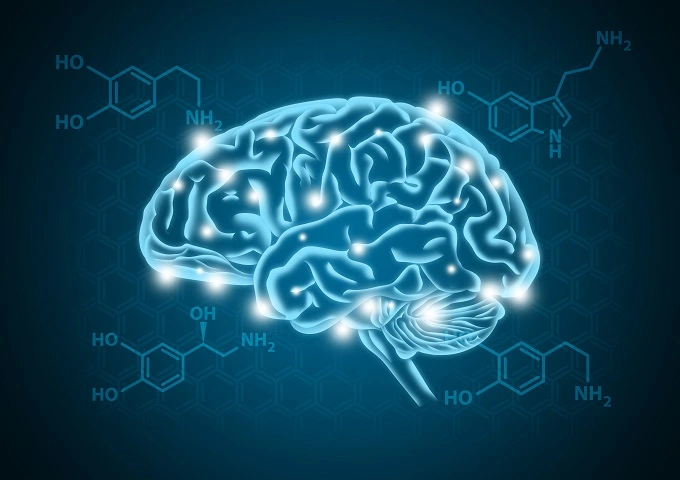
Vitamin C acts as a cofactor in dopamine synthesis. Your brain needs adequate vitamin C to produce this crucial neurotransmitter involved in attention and motivation. Some researchers theorise that vitamin C supplementation might support dopamine function in people with ADHD.
The research on vitamin C specifically for ADHD symptoms is limited compared to omega-3s or zinc. Most evidence is indirect, based on vitamin C’s role in neurotransmitter production. No large-scale randomised controlled trials have examined vitamin C alone for ADHD treatment.
However, maintaining adequate vitamin C status supports overall brain health. Deficiency certainly impairs cognitive function. Ensuring sufficient intake through diet or supplements makes sense as part of a broader nutritional approach to ADHD.
Vitamin C-Rich Foods
Citrus fruits like oranges and grapefruit are famous vitamin C sources. One medium orange provides over 100% of daily needs. Red peppers contain even more vitamin C than oranges, surprisingly. One cup of raw red pepper provides nearly 200% of daily requirements.
Strawberries, kiwi fruit, and broccoli are excellent sources too. Brussels sprouts, cauliflower, and tomatoes contribute meaningful amounts. Eating a variety of colourful fruits and vegetables ensures adequate vitamin C intake naturally. Vitamin C degrades with heat and storage time. Eating some raw fruits and vegetables preserves maximum vitamin C content. Cooking methods like steaming or microwaving preserve more vitamin C than boiling in water.
Vitamin C Supplementation Considerations
Most people easily meet vitamin C needs through diet alone. Supplementation may benefit people with limited fruit and vegetable intake. Smokers need substantially more vitamin C, as smoking depletes this nutrient rapidly.
Doses above 1000mg daily can cause diarrhoea and stomach upset. The body excretes excess vitamin C in urine. Taking large doses doesn’t provide additional benefits once you’ve met your body’s needs.
Vitamin C enhances iron absorption when taken together. This can be helpful if you’re addressing iron deficiency. However, people with haemochromatosis should avoid high-dose vitamin C supplements alongside iron-rich meals.
A Summary of Top Supplements for ADHD
Below is a chart giving an overview of the most well-researched supplements, how they can help with ADHD symptoms, and which food sources to choose to keep levels topped up.
| Supplement | How it may help/evidence | Natural food source |
| Omega 3 (EPA/DHA) | Important for brain cell membranes and neurotransmission. | Oily fish, flaxseed, walnuts. |
| Iron (ferritin) | Iron is needed for dopamine synthesis which is important in ADHD. Low ferritin is associated with worse ADHD symptoms; trials show iron supplementation can improve symptoms when ferritin is low. Testing ferritin before supplementing is recommended. JAMA Network+1 | Red meat, liver, poultry, oily fish, fortified cereals, beans/lentils, dark green leafy veg (iron from plants is less well absorbed — vitamin C helps). |
| Zinc | Zinc is involved in neurotransmitter regulation and brain development. Some trials and systematic reviews report possible improvements in attention/hyperactivity, particularly in children with low zinc. | Oysters, red meat, poultry, shellfish, beans, nuts, seeds, whole grains, dairy. |
| Magnesium | Magnesium plays a role in neurotransmitter function and neuronal excitability. Observational studies show lower magnesium in some people with ADHD; meta-analysis trials show possible symptom improvements. | Green leafy vegetables (spinach), nuts and seeds (pumpkin, almonds), whole grains, legumes, some fish. |
| Vitamin C | Vitamin C is needed to produce the neurotransmitter involved in attention and motivation function; it may also support dopamine levels in people with ADHD. | Red peppers, citrus fruits, strawberries, broccoli and Brussels sprouts. |
Other Natural Supplements with Emerging Research
Ashwagandha
Ashwagandha has been the subject of recent clinical studies to establish if its adaptogenic, anti-inflammatory, and neuroprotective properties could benefit symptoms of ADHD such as improving attention, hyperactivity, and cognitive function.
The exact ways in which ashwagandha may help with the symptoms of ADHD are not yet fully understood but it was found in preliminary studies that its active compounds, including withanolides, may interact with neurotransmitters and pathways in the brain which are implicated in ADHD. The results applied particularly in children with the condition, and it is felt that it may lead to improvements in ADHD scores and possibly help with behavioural regulation when compared to placebo.
Despite these promising results, the research remains in its early stages and more well-powered studies are needed to establish optimal doses and ensure safety. Current medical advice is that ashwagandha should not be used as a substitute for traditional ADHD treatments but treated as a complementary approach alongside other therapies.
Ginkgo Biloba
Ginkgo Biloba, especially when taken alongside standard medication such as methylphenidate, has been found in studies to have the potential to reduce ADHD symptoms such as inattention and improve overall performance on ADHD rating scales when compared to placebo. However, it may be less effective than standard medication alone.
Whilst Ginkgo biloba is an effective complementary treatment for ADHD, further studies with longer treatment duration are needed.
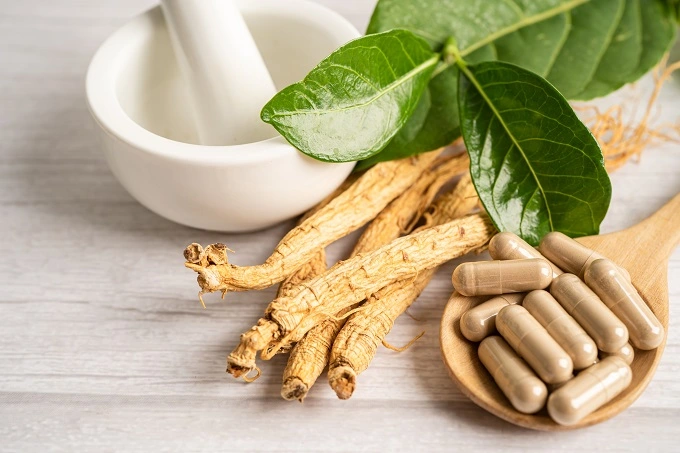
Ginseng
Ginseng is thought to improve ADHD symptoms due to ginsenosides which are a class of phytochemicals with neuroprotective and antioxidant effects. Ginseng has been found to elevate levels of dopamine and norepinephrine which gives potential to treat ADHD. Findings from a pilot study where 40 children aged between 6 and 12 were supplemented with Korean red ginseng and Omega-3 showed some improvements in attention deficit. Further large-scale studies are needed to assess the long-term efficacy and the study concluded that Korean red ginseng and Omega-3 would be prove most effective.
Lion’s Mane Mushroom
Lion’s Mane is a nootropic and neuroprotective supplement has shown promise with certain ADHD symptoms such as concentration and memory but there is not yet enough strong evidence from human studies to prove its effectiveness specifically for ADHD. Research is ongoing, and more studies are needed to determine its effects and safety for this condition.
Chinese Skullcap
Chinese skullcap is a species of flowering plant that contains the compounds baicalin and wogonin which have neuroprotective effects and can cross the blood-brain barrier. The antioxidant action may help alleviate some of the symptoms of ADHD due to its ability to reduce oxidative stress which is thought to be a factor in the condition. Current evidence is promising but not conclusive and there is a need for randomised controlled trials to establish a better understanding of the herb’s potential. Research suggests that Chinese skullcap may prove to be a useful treatment to be used alongside conventional ADHD therapies rather than as a standalone treatment.
Probiotics
Probiotics have been the subject of some preliminary research. Foods such as fermented vegetables, yogurt, and kefir, may have links with behaviour. While this is not yet a proven ADHD treatment, it will help gut microbiome and boost immune health.
Saffron
Saffron shows some early promise for ADHD symptoms but research is preliminary consisting of small trials (50–70 participants) over short durations (3–6 weeks).
L-Theanine
An amino acid from green tea that promotes relaxation without sedation. Some people find it helpful for managing ADHD-related anxiety. Research specifically examining L-theanine for ADHD symptoms is extremely limited.
Evaluating Emerging Supplement Claims
A quick word of caution: social media ads for ADHD supplements have exploded recently, and not all of them come from trustworthy producers. Many make big claims that simply aren’t supported by good evidence, and many are not transparent about their ingredients or testing. It’s always worth double-checking on the provenance of products and the ethics behind the company.
Check whether studies were funded by supplement manufacturers. Industry-funded research often shows more positive results than independent research. This bias doesn’t invalidate findings but warrants healthy scepticism.
How Supplements Differ from Stimulant Medications
Prescription stimulant medications like methylphenidate work quickly by directly increasing dopamine in the brain. Natural supplements take a gentler approach by providing nutrients that support brain function over time. You won’t feel an immediate effect as may occur with prescription ADHD medications. Instead, improvements emerge gradually over weeks or months.
Supplements also carry different side effect profiles compared to stimulant medications. Most natural options have minimal adverse events when taken at appropriate dosages. However, they can still interact with medications or cause problems at high doses. This is why medical consultation remains essential before starting any supplementation programme.
The Role of Diet in ADHD Management
What you eat matters as much as what you supplement. A diet rich in whole foods provides the baseline nutrients your brain needs to function well. Processed foods high in artificial colours, preservatives, and refined sugars may worsen ADHD symptoms in some people. The Mediterranean diet offers many benefits with its emphasis on fish, nuts, vegetables, and healthy fats.
Regular meal timing also supports stable blood sugar levels. This prevents the energy crashes and concentration dips that exacerbate inattention and impulsivity. Combining smart food choices with targeted supplementation creates a stronger foundation than either approach alone.
Lifestyle Changes to Support Supplement Benefits
Supplements work best within a supportive lifestyle framework. Regular physical activity improves ADHD symptoms through multiple mechanisms. Exercise increases dopamine, norepinephrine, and endorphins. It also improves sleep quality and reduces stress.
Aim for at least 30 minutes of moderate to vigorous activity daily. Activities requiring coordination and attention, like martial arts or dancing, may offer additional benefits. Outdoor exercise in natural settings appears particularly helpful for reducing ADHD symptoms.
Structured routines reduce the cognitive load of daily decisions. Consistent mealtimes, bedtimes, and activity schedules support better symptom management. Visual schedules and reminders help maintain these routines, especially for children.
ADHD And Sleep Problems
Your body naturally produces a hormone called melatonin to regulate sleep-wake cycles. Many people with ADHD have delayed circadian rhythms and produce melatonin later in the evening. This contributes to difficulty falling asleep at appropriate times. Melatonin is available as a prescription supplement in the UK but has recently been linked to serious side effects; we recommend obtaining melatonin by natural means.
Research shows that the hormone melatonin reduces sleep latency; the time it takes to fall asleep. It also improves total sleep duration in children and adults with ADHD. Better sleep leads to improved daytime ADHD symptoms including attention and behaviour. The effects appear quite consistent across multiple randomised controlled trials.
To help with better sleep patterns, strive to keep to a consistent bedtime, choose to keep your bedroom dark, not too hot and not too cold, and limit screen time before bed.
Natural Ways to Support Melatonin Production
Your body produces melatonin in response to darkness. Dimming lights 1-2 hours before bedtime signals your brain to start melatonin production. Blue light from screens suppresses melatonin, so using blue light filters or avoiding screens before bed helps.
Morning sunlight exposure helps regulate your circadian rhythm. Getting bright light exposure within an hour of waking reinforces healthy melatonin patterns. This makes it easier to feel sleepy at appropriate times in the evening.
Tart cherry juice contains small amounts of natural melatonin. Drinking about 240ml in the evening may support sleep onset. Whilst the melatonin content is modest, other compounds in tart cherries may also promote sleep.
Mindfulness and Stress Reduction
Mindfulness practices can improve attention and reduce impulsivity. Even brief daily meditation sessions show benefits in some research. Apps and guided meditations make mindfulness more accessible for beginners.
Yoga combines physical activity with mindfulness practices. Some studies suggest yoga programmes specifically designed for ADHD can reduce symptoms. The combination of movement, breathing exercises, and focused attention targets multiple aspects of ADHD.
Stress worsens ADHD symptoms significantly. Identifying and managing stressors improves overall functioning. This might include reducing work, appointments, and study overload, addressing relationship problems, or seeking support when responsibilities become overwhelming.
Environmental Modifications
Reducing distractions in work and study environments supports sustained attention. This might mean using noise-cancelling headphones, working in quiet spaces, or turning off notifications. Even small environmental tweaks can noticeably improve focus.
Organisation systems reduce the mental burden of tracking tasks and belongings. Simple strategies like designated spots for keys and phones prevent time wasted searching. Digital tools and physical planners both help, depending on personal preferences.
Adequate breaks prevent attention fatigue. Many people with ADHD find the Pomodoro Technique, working in focused 25-minute blocks with short breaks, to be helpful. Finding your optimal work rhythm improves productivity without burnout.
Building Your Personalised Natural ADHD Support Plan
Start by identifying which supplements have the strongest evidence for your specific symptoms. If you struggle with sleep, magnesium deserves priority. Testing for zinc and iron deficiencies guides targeted supplementation.
You may find that addressing the symptoms rather than the root cause of the condition (which may often be genetic) works for you. Nootropic supplements for instance will help cognition and brain health, while adaptogenic supplements are helpful for inflammation and to protect the health of the brain. Herbs such as valerian are known to help with relaxation and sleep, while for energy, mood and focus you might try reishi tincture.
Introduce one supplement at a time when possible. This approach helps you identify what’s helpful versus what’s unnecessary. Because natural supplements work gradually, allow 4-8 weeks to assess effects. Keep notes on symptoms to help you track changes.
Work with a healthcare provider who understands both ADHD and integrative approaches. They can order appropriate testing, monitor for interactions, and adjust your plan based on results. Some doctors are more knowledgeable about supplements than others, so finding the right practitioner is important.
Tracking Progress and Adjusting Your Approach
Use standardised ADHD rating scales to measure symptom changes. Your subjective impressions matter, but structured assessments provide clearer data. Teachers or partners can offer valuable observations about behaviour changes they notice.
Don’t expect dramatic overnight transformations. Natural approaches produce subtle, gradual improvements. Comparing your functioning across months rather than days gives a more accurate picture. Photos, journals, or videos can document changes you might not notice day to day.
Be willing to adjust your supplement routine based on results. Some supplements that work for others may not help you. Continuing ineffective supplements wastes money and potentially exposes you to unnecessary side effects. Conversely, don’t abandon approaches too quickly before they’ve had time to work.
When to Consider Professional Treatment
Natural supplements complement but don’t necessarily replace professional ADHD treatment. Severe symptoms that significantly impair functioning may require medication. Combining medication with natural approaches often works best.
Therapy, particularly cognitive behavioural therapy and coaching, addresses skills deficits that supplements can’t fix. Organisation, time management, and emotional regulation improve through structured interventions. A multimodal approach tackles ADHD from multiple angles.
Safety concerns need immediate professional help. This includes severe impulsivity leading to dangerous behaviour, depression or anxiety, or substance use problems. Natural supplements are not appropriate sole treatments for these kinds of complex symptoms.
Quick Answers to Common Questions
- What herb calms ADHD? – Lion’s Mane mushroom and traditional Chinese herbs like Polygala and Poria are used to promote mental clarity and reduce restlessness. These herbs are traditionally used to support nerve growth factors and help settle the mind.
- How long before natural supplements show effects? – Most natural ADHD supplements require 4-12 weeks of consistent use before noticeable improvements appear. Omega-3 fatty acids typically need 8-12 weeks. Melatonin for sleep works more quickly, often within days to weeks.
- Can children take the same supplements as adults? – Dosages differ significantly between children and adults. Children require lower doses adjusted for their body weight and developmental stage. Always consult a doctor/paediatrician before giving supplements to children, as safety data is more limited.
Much current evidence from studies is centred around children and adolescents, with mainly anecdotal evidence from adults. Further trials to identify extracts and dosages specifically for adult ADHD sufferers is needed.
Moving Forward with Natural ADHD Support
Natural ADHD supplements offer genuine benefits when used thoughtfully as part of a broader strategy. The strongest evidence supports omega-3 fatty acids, particularly EPA. Targeted mineral supplementation helps people with documented deficiencies. Sleep support through melatonin and magnesium addresses a common ADHD challenge.
Your diet provides the foundation upon which supplements build. Prioritising whole foods rich in omega-3s, zinc, iron, and magnesium maximises your baseline nutritional status. Combining smart food choices with targeted supplementation creates powerful synergy.
Don’t neglect lifestyle factors like exercise, sleep hygiene, and stress management. These fundamentals amplify supplement benefits whilst supporting overall health. Small improvements across multiple areas add up to meaningful symptom reduction.
Start with one or two well-researched supplements that match your specific needs. Work with a knowledgeable healthcare provider who can guide testing and monitoring. Track your progress objectively and adjust your approach based on results. Natural ADHD support requires patience, but the payoff of improved focus and reduced symptoms makes the effort worthwhile.
Relevant Supplements
- Vegan Omega-3
- Wholefood Zinc from Guava Leaf
- Magnesium Bisglycinate
- Vitamin C Wholefood Capsules
- Ashwagandha Root Extract
- Ginkgo Biloba
Our Promise
When it comes to keeping you informed on health and nutrition, we’re here for you and aim to help where we can. If you would like to discuss any aspect of using natural supplements, or would find advice helpful, please feel free to contact us on 01297 553932