
Related Product
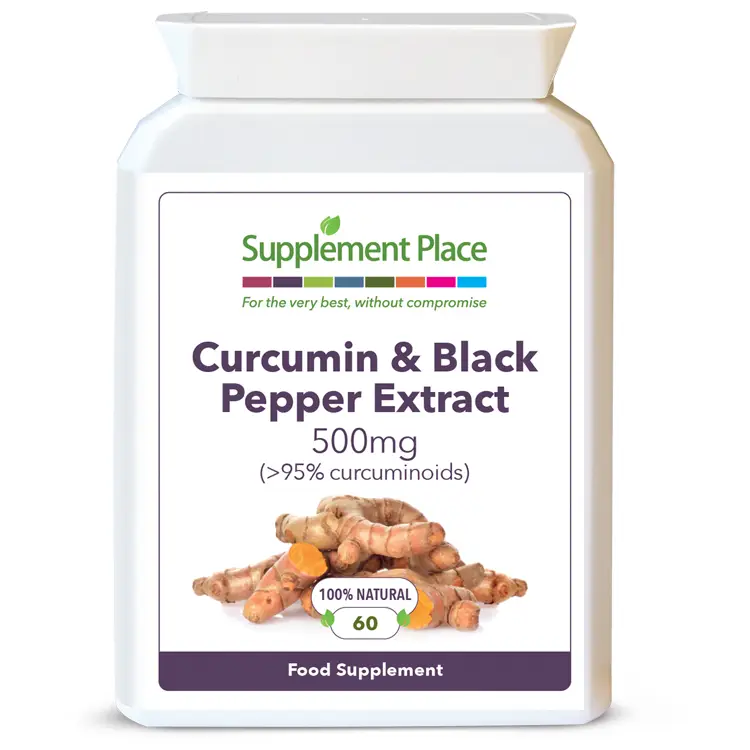 Curcumin & Black Pepper Extract
Are you feeling unmotivated, foggy, or struggling to find joy in activities you once loved? Your dopamine levels might be at play. This crucial neurotransmitter governs motivation, pleasure, and focus—essentially determining how good you feel about life. When balanced properly, dopamine helps us feel engaged, motivated, and rewarded by our daily activities.
While many people turn to supplements to boost their dopamine levels, it’s important to understand the science behind these options. In this research-driven guide, we’ll explore the most effective dopamine-boosting supplements backed by scientific evidence, while also showing you natural ways to support healthy dopamine production through diet and lifestyle.
Let’s discover how you can naturally enhance your motivation, focus, and enjoyment of life by supporting this essential brain chemical.
What is Dopamine and Why is it Important?
Dopamine is a neurotransmitter—a chemical messenger in your brain, and it plays several vital roles in how you function and feel. Often called the “motivation molecule” or “pleasure chemical,” dopamine is central to your brain’s reward system.
When dopamine is released in your brain, it creates feelings of pleasure and satisfaction. This chemical signal tells your brain when something is enjoyable, rewarding, or worth repeating. Your brain needs dopamine for many critical functions.
If you are consistently dealing with stress and anxiety, supporting your dopamine system may help improve your resilience and mood stability. The brain’s chemical messengers work together in complex ways to regulate how you feel and function.
Dopamine plays a crucial role in several key aspects of your daily life:
- Motivation and drive – Helps you take action toward goals
- Feelings of pleasure and reward – Creates the sensation of enjoyment
- Focus and attention – Supports concentration on tasks
- Memory and learning – Helps encode new information
- Motor control – Enables smooth, coordinated movement
Your brain releases dopamine when you engage in activities that are essential for survival (like eating) or that your brain perceives as beneficial. This chemical reward encourages you to repeat these behaviours. The dopamine system evolved to keep us motivated to pursue things that support our survival and well-being.
When dopamine levels are balanced, you feel alert, focused, and motivated. You experience appropriate pleasure from activities and have the drive to pursue goals. However, when dopamine becomes imbalanced—either too low or dysfunctional—various physical, cognitive, and emotional symptoms can emerge.
Signs of Low Dopamine Levels

Recognising potential signs of low dopamine can help you determine whether supporting this neurotransmitter might benefit your wellbeing. While only medical testing can definitively identify neurotransmitter imbalances, these common signs may suggest your dopamine system needs support.
| Symptoms Category | Common Signs | How It Affects Daily Life |
| Motivation | Lack of drive, procrastination, difficulty starting tasks | Projects remain unfinished, decreased productivity |
| Mood | Feelings of apathy, depression, hopelessness | Reduced enjoyment of previously pleasurable activities |
| Energy | Fatigue, low physical energy, feeling “slowed down” | Difficulty getting through the day, increase need for stimulants |
| Cognition | Brain fog, poor concentration, memory issues | Work performance suffers, difficulty learning new information |
| Physical | Muscle stiffness, poor coordination, restless legs | Movement feels more effortful, sleep disturbances |
| Reward Response | Decreased pleasure from activities, seeking intense stimulation | May lead to thrill-seeking behaviours or substance use |
| Sleep | Insomnia, excessive sleepiness, disrupted sleep patterns | Waking unrefreshed, daytime drowsiness |
These symptoms exist on a spectrum and experiencing some of them doesn’t necessarily mean you have a clinical dopamine deficiency. However, if several of these signs resonate with you, supporting your dopamine system could help improve your quality of life.
Natural Ways to Increase Dopamine
Before turning to supplements, it’s worth exploring natural methods to boost your dopamine levels. The good news is that many everyday activities and dietary choices can naturally support your brain’s dopamine production and function.
Quality sleep helps regulate neurotransmitter production and receptor sensitivity, including those for dopamine. Without adequate rest, your brain chemistry can become imbalanced, affecting motivation and mood.
Dopamine-Boosting Foods
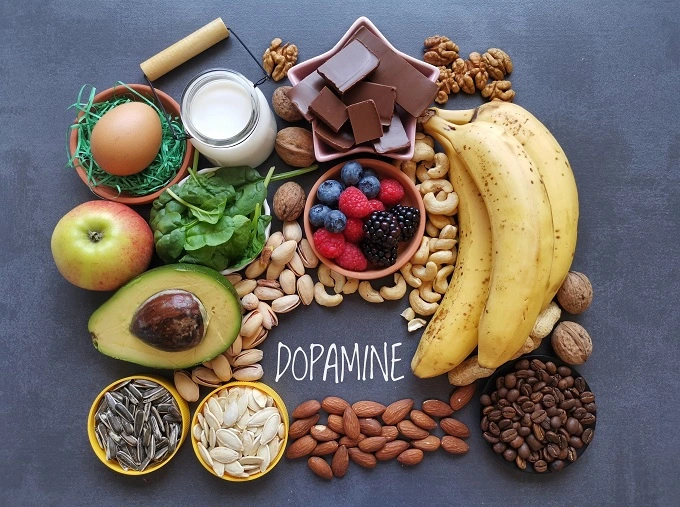
Your body produces dopamine from an amino acid called tyrosine. Increasing your consumption of tyrosine-rich foods can provide your brain with the building blocks it needs to create dopamine. Additionally, certain nutrients act as cofactors in dopamine production and function.
The table below highlights foods that support dopamine production:
| Food Category | Examples | How They Support Dopamine |
| Protein-rich foods | Eggs, lean meat, fish, turkey | Contain tyrosine the direct precursor to dopamine |
| Legumes | Lentils, chickpeas, lima beans | Provide both tyrosine and natural L-dopa |
| Fruits | Bananas, apples, avocados | Contain tyrosine and antioxidants that protect dopamine neurons |
| Nuts and Seeds | Almonds, sesame and pumpkin seeds | Rich in tyrosine and essential minerals for dopamine synthesis |
| Dark Chocolate | 70% cacao content | Contains phenylethylamine, which boosts dopamine release |
| Green Leafy Vegetables | Spinach, kale, broccoli | Provide folate, which supports dopamine release |
| Fermented Foods | Yoghurt, kefir, sauerkraut | Support gut health, which influences dopamine production |
Including these foods in your daily diet can provide a natural foundation for healthy dopamine production, often making a noticeable difference in energy and mood before supplements are even considered.
Lifestyle Practices That Boost Dopamine

Many health experts recommend improving overall wellbeing through multiple lifestyle approaches rather than relying solely on supplements for dopamine support. These natural methods can be remarkably effective:
Regular Exercise
Physical activity has been consistently shown to increase dopamine levels and improve dopamine receptor sensitivity. Even moderate exercise can trigger the release of several neurotransmitters, including dopamine, which contribute to the ‘runner’s high’ and post-exercise mood boost.
Quality Sleep
Poor sleep can significantly disrupt your dopamine signalling system. Aim for 7-9 hours of quality sleep per night to support optimal brain chemistry. Creating a consistent sleep schedule helps regulate neurotransmitter production.
Stress Management
Chronic stress depletes dopamine and damages dopamine receptors over time. Stress management techniques such as meditation, deep breathing, yoga, or time in nature can all help protect your dopamine system and improve its function.
Sunlight Exposure
Regular exposure to natural sunlight helps regulate dopamine production. Morning sunlight is particularly beneficial for setting healthy circadian rhythms that support optimal brain chemistry throughout the day.
Creative Activities
Engaging in creative pursuits and hobbies that you enjoy naturally stimulates dopamine release. Whether it’s playing music, painting, writing, or gardening, activities that put you in a ‘flow state’ can boost dopamine levels.
By incorporating these natural approaches into your daily routine, you can support healthy dopamine function before turning to supplements. However, for those seeking additional support, certain supplements have shown promise in boosting dopamine levels.
Top Supplements to Increase Dopamine
When natural methods aren’t enough, certain supplements may help increase dopamine levels or improve dopamine function in the brain. The following options have scientific research supporting their effectiveness:
L-Tyrosine
An amino acid and precursor to dopamine, L-tyrosine can help especially when under stress, or if dietary intake is not enough. In dietary terms it is found in foods such as cheese, eggs, meat, nuts, and bananas.
Mucuna Pruriens (Velvet Bean)
A tropical legume which is sometimes known as velvet bean. Its seeds contain naturally occurring L-dopa (levodopa), which is a direct precursor to dopamine and can cross the blood-brain barrier. Traditionally, Mucuna pruriens has been used in Ayurvedic medicine for mood and sexual health, as well as for symptoms similar to those of Parkinson’s disease. Mucuna is one of the most direct acting and well-researched dopamine-supporting supplements.
A double-blind clinical trial with 8 Parkinson’s disease patients showed that 30g of mucuna preparation resulted in 21.9% longer “on time” (37 minutes) compared to standard L-dopa/carbidopa treatment, with 110% higher peak L-dopa plasma concentrations and 165.3% larger area under the plasma concentration curve.
NOTE: Mucuna Pruriens does come with many cautions and medication interactions*. Be sure to research this thoroughly or speak to a healthcare professional before taking.
Phenylalanine
An amino acid that converts to tyrosine, then dopamine and is found in meat, dairy products, soy, seeds, and nuts. It is also available as a supplement.
B-Vitamins
Vitamins B6, B12 and folate (B9) are methylation cofactors in dopamine production. They help to convert amino acid precursors into dopamine with neurotransmitter metabolism. Folate and vitamin B12 help with methylation which is part of the biochemical pathways. Poultry, fish, potatoes, and bananas are rich in these vitamins.
A supplement can be a useful way to top up vitamin B levels if you feel you do not get enough from food. Our Super B Complex contains a variety of B vitamins as well as an array of other minerals.
Vitamin C
Vitamin C plays a part in supporting neurotransmitter synthesis and has antioxidant effects which helps in dopamine production. Citrus fruits such as oranges and grapefruits, red and yellow peppers, blackcurrants and strawberries are rich in vitamin C, as are vegetables such as broccoli, brussels sprouts and cauliflower.
If you choose to supplement with Vitamin C, be sure to choose a natural, wholefood source rather than synthetic. Our wholefood Vitamin C capsules are made from the acerola cherry.
Vitamin D
An important vitamin because it protects dopamine neurons. Vitamin D is gained from spending time out of doors in the sunlight. It may also be boosted by eating fatty fish and foods which have been fortified with D supplement.
A study from 2022 found that 1 in 6 adults in the UK were deficient in Vitamin D. As the majority of Vitamin D is sourced from sun exposure to the skin, maintaining adequate levels, particularly during the winter months, can be difficult. Many choose to supplement with a good quality Vitamin D.
Magnesium
Deficiency in magnesium may restrict the action of dopamine as it supports the dopamine receptor function. It is found in dark chocolate, avocados, nuts, and seeds. Taking magnesium as a supplement may help restore the balance.
Omega-3 Fatty Acids
Omega 3 supports neuron membrane health. Foods rich in Omega-3 are fatty fish such as wild salmon, mackerel, sardines. Nuts and seeds are also good sources of Omega-3, particularly walnuts and flaxseeds.
Adequate amounts of omega 3 can be difficult to obtain from diet alone, particularly for those who follow a vegan diet. We offer a omega 3 capsules sourced from algae, a great alternative to fish oil supplements.
L-Theanine/Green Tea
L-theanine, derived from drinking green tea, may increase dopamine and has calming and modulating effects.
Curcumin (from Turmeric)
Research has found that curcumin may increase dopamine release or improve its effects. Curcumin is best taken as a supplement as gaining enough from including turmeric in your diet would be very difficult. It is important to note that when choosing a curcumin supplement it should also contain piperine, an alkaloid responsible for the pungency of black pepper. The addition of piperine to a turmeric supplement makes the curcumin, which is the active ingredient of turmeric, more easily absorbed by the body.
Rhodiola Rosea
An adaptogenic herb which may help with stress, fatigue and support neurotransmitter balance including dopamine.
The wild populations of the rhodiola rosea plant are under threat. When purchasing supplements containing Rhodiola rosea it is therefore imperative to choose a product supplied by a company whose source is CITES licensed.
Combination Products vs. Single Ingredients
Some supplements contain multiple ingredients designed to support dopamine function through various pathways. These formulations may include precursors (like tyrosine), cofactors (like B vitamins), and protective compounds (like antioxidants).
General Precautions for Supplements that Support Dopamine
When considering dopamine-supporting supplements, it’s important to remember that their effects may vary based on your individual neurochemistry, current health status, and other factors. What works well for one person may not work the same for another.
Before starting any course of supplements, consider these guidelines:
- Start with Low Doses: Begin with the lowest effective dose and gradually increase if needed. This helps minimise side effects and allows you to find your optimal dosage.
- Cycling: Consider taking regular breaks from dopamine-boosting supplements to prevent tolerance and to maintain effectiveness.
- Medical Supervision: Always consult with a healthcare provider before starting any supplement regime, especially if you have existing health conditions or take medications.
- Medication Interactions: Dopamine-supporting supplements may interact with various medications, including antidepressants, antipsychotics, and Parkinson’s disease treatments.
Potential Side Effects to Monitor
When taking dopamine-boosting supplements, be alert for these possible side effects:
- Mood Changes: While often positive, some people experience anxiety, irritability, or mood swings with dopamine-boosting supplements. These changes typically indicate the dose is too high.
- Sleep Disruption: Taking dopamine-supporting supplements too late in the day can interfere with sleep quality. Morning dosing is often recommended.
- Cardiovascular Effects: Some people may experience changes in heart rate or blood pressure. Those with cardiovascular conditions should exercise caution.
- Headaches: Temporary headaches can occur as your brain chemistry adjusts to the supplement. Staying well-hydrated may help minimise this effect.
If you experience any concerning side effects, discontinue use and consult with a healthcare professional. Everyone’s neurochemistry is unique, and finding the right approach for your individual needs may require some trial and adjustment.
*Specific Precautions for Mucuna Pruriens
Due to its direct effect on dopamine levels through L-dopa content, Mucuna Pruriens requires particular caution:
- Digestive Comfort – L-dopa from Mucuna Pruriens can cause nausea, vomiting, or gastrointestinal discomfort in some people, especially at higher doses. Starting with a small amount and taking it with food can help minimise these effects.
- Mental Health Considerations – Those with schizophrenia, bipolar disorder, or psychosis should avoid Mucuna Pruriens as increased dopamine may worsen symptoms of these conditions.
- Pregnancy and Breastfeeding – Pregnant or breastfeeding women should avoid Mucuna Pruriens due to limited safety data in such circumstances.
- Parkinson’s Disease – Mucuna Pruriens can interact with medications for Parkinson’s disease so medical supervision is advised.
- Diabetes Management – People with diabetes should use caution, as Mucuna may affect blood glucose levels. Regular monitoring is advised if you choose to use this supplement.
- Liver and Kidney Health – Those with liver or kidney disease should consult a healthcare provider before using Mucuna Pruriens, as these organs are involved in processing and eliminating the supplement.
Conclusion: Finding Your Dopamine Balance
Maintaining healthy dopamine levels is crucial for motivation, pleasure, and overall wellbeing. While supplements can offer significant benefits for supporting dopamine function, they work best as part of a comprehensive approach which includes dopamine-friendly dietary choices, regular exercise, quality sleep, and stress management.
Individual responses to supplements vary widely, so what works perfectly for one person may not be ideal for another. This is why starting with natural approaches, introducing supplements gradually, and paying attention to how your body responds is the wisest approach.
If you’re dealing with significant mood, motivation, or cognitive concerns, consider speaking with a healthcare provider who specialises in integrative or functional medicine. They can help determine if dopamine imbalance is at the root of your symptoms and create a personalised plan which may include appropriate supplementation.
For quality supplements to support your dopamine levels and overall health, explore our range of carefully selected, science-backed products designed to help you feel your best every day.
Our Promise
When it comes to keeping you informed on health and nutrition, we’re here for you and aim to help where we can. If you would like to discuss any aspect of using natural supplements, or would find advice helpful, please feel free to contact us on 01297 553932