

Related Product
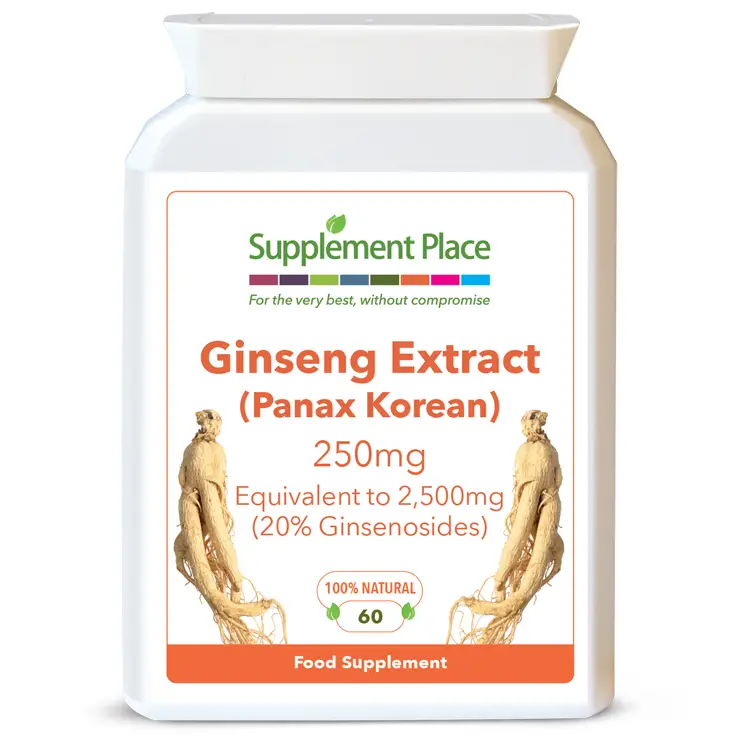 Ginseng (Panax Korean) Extract
Ginseng is one of the most studied herbal supplements in the world, with clinical research supporting its role in reducing fatigue, supporting brain function, regulating blood sugar, strengthening immune defences, and improving sexual health. The active compounds responsible for these effects are called ginsenosides, a family of plant chemicals found almost exclusively in the roots of Asian ginseng (Panax ginseng) and American ginseng (Panax quinquefolius). Both types have been used medicinally for over two thousand years, and a growing body of peer-reviewed research is beginning to explain why.
If you’ve been curious about ginseng but not quite sure where to start, you’re in good company. It shows up in everything from energy drinks to traditional Chinese medicine formulas, which makes it hard to know what it does in terms of health, and whether it’s worth considering. This guide covers the scientific as well as traditional evidence, including areas where research is still developing, so you can make an informed decision for yourself.
What Is Ginseng?
Ginseng is a slow-growing perennial plant whose fleshy root has been used in traditional medicine across Korea, China, and Japan for more than two millennia. In traditional Chinese medicine, ginseng was prized as a tonic for qi, the body’s vital energy, and was believed to restore balance and build resilience against physical and mental stress. That idea maps surprisingly well onto the modern concept of an adaptogen: a herb which helps the body adapt to and recover from stress more efficiently.
The plant takes years to mature properly. Most high-quality ginseng roots are harvested after four to six years in the ground, which partly explains why well-grown ginseng commands a premium price.
Not everything sold as ginseng really is ginseng. Siberian ginseng, for example, is a completely different plant (Eleutherococcus senticosus) with a different compound profile. It doesn’t contain ginsenosides. If you’re looking for the researched health benefits of true ginseng, stick to products containing Panax ginseng or Panax quinquefolius, and check that the label specifies the ginsenoside content.
Asian vs. American Ginseng: Which One Is Right for You?
Asian ginseng and American ginseng are both members of the Panax family, but they have meaningfully different ginsenoside profiles and are traditionally used for different purposes.
Asian ginseng (also known as Korean ginseng or Panax ginseng) is considered more stimulating. It’s the variety most associated with enhanced energy levels, physical performance and sexual function. Korean red ginseng is simply Asian ginseng root that has been steamed and dried, a process that alters the ginsenoside composition and is thought to enhance certain effects. These effects include:
- Superior energising in cases of severe and chronic fatigue
- Sluggish metabolism
- Low physical energy
- Enhanced antioxidant and anti-ageing capacity
- Support for erectile dysfunction
- Stronger anti-inflammatory action
- Advanced brain function and focus
White ginseng is the unprocessed, air-dried version of the same root. It retains the standard baseline saponins and is ideal as a general wellness tonic.
American ginseng (Panax quinquefolius) is considered cooler and gentler in traditional terms. It tends to have a higher proportion of certain ginsenosides associated with calming effects and blood sugar regulation. If you’re sensitive to stimulants or looking primarily for immune or metabolic support, American ginseng may suit you better.
Research using American ginseng extracts at doses between 100 and 400 mg found meaningful improvements in the ability to focus during concentration performance in trials, according to a study published in Nutritional Neuroscience. That’s not a trivial finding for a herb once dismissed as purely traditional.
The practical upshot: if you want energy and vitality support, Asian or Korean ginseng is typically the go-to. For blood sugar, cognition, or immune support with a gentler profile, American ginseng is worth considering. Both are genuine Panax species and both contain ginsenosides, so the same active ingredients but each with a different main focus.
Active Compounds: Ginsenosides and How They Work
Ginsenosides are the primary active compounds in ginseng and the main reason it has attracted so much scientific interest. They are a type of saponin, a plant chemical with a soap-like molecular structure that allows it to interact with cell membranes. More than 100 different ginsenosides have been identified in Panax species so far.
Ginsenosides are broadly grouped into two structural families: protopanaxadiol (PPD) types and protopanaxatriol (PPT) types. The balance between these two groups varies between Asian ginseng and American ginseng, which partly accounts for their different effects. Compound K is one of the most active metabolites produced when your gut bacteria break down certain ginsenosides, and it’s been the subject of research interest for its anti-inflammatory and potential anticancer properties.
Proven Health Benefits of Ginseng
Ginseng benefits span several body systems, and the research base is stronger for some areas than others. The most consistent clinical evidence covers fatigue, blood sugar, cognitive function, immune support, blood pressure, and erectile function. The sections below examine each of these in turn, with the relevant research explained in plain terms.
One thing worth noting before you read on: ginseng is not a quick fix for any condition, and it doesn’t replace medical treatment. The studies discussed here show meaningful effects in trial settings, but individual responses vary. If you have a diagnosed health condition, speak to your GP before adding ginseng to your routine.
Ginseng for Brain Function and Memory
Ginseng supports cognitive function, with clinical studies showing measurable improvements in memory test scores among people who supplement regularly. According to research published on PubMed, statistics taken from results from many studies into ginseng for cognitive performance showed meaningful improvements in cases of mild cognitive impairment.

Ginsenosides appear to support brain function through several routes. They have antioxidant properties that may protect nerve cells from oxidative damage, and they appear to influence the availability of neurotransmitters involved in attention and memory. Animal studies have also pointed to potential neuroprotective effects relevant to Alzheimer’s disease, though human trial evidence in this area is still developing.
American ginseng extracts improved attentional performance at doses between 100 and 400 mg in human trials. This is interesting because attention and working memory are among the cognitive functions most people notice declining first, whether from stress, poor sleep, or simply getting older.
Ginseng is widely considered a nootropic herb, meaning it may support mental performance. If that area interests you, it’s worth reading about nootropics for focus to understand how ginseng fits within a broader picture of cognitive support herbs.
Ginkgo biloba is another traditional herb with overlapping circulatory and cognitive benefits. You can find a useful comparison in our guide to ginkgo biloba benefits.
Ginseng for Blood Sugar Control
Ginseng has a well-documented effect on blood sugar regulation, with multiple clinical trials finding meaningful reductions in fasting blood glucose levels among people supplementing with Korean red ginseng. According to research published on PubMed Central, a trial using Korean red ginseng capsules found a significant reduction in fasting blood glucose from 6.44 to 6.19 mmol/L following the intervention.
Those numbers need a little context. A fasting blood glucose above 6.1 mmol/L starts to attract clinical attention, so a consistent reduction in that range is meaningful for people managing their metabolic health. The effect appears to involve ginsenosides influencing insulin sensitivity and pancreatic cell function, helping the body respond to glucose more efficiently.

Clinical trials have used Korean red ginseng at doses of 2 g per day for 12 weeks without triggering hypoglycaemia (abnormally low blood sugar) or other adverse effects. According to research that represents a reassuring safety signal for a supplement being considered alongside existing metabolic health management.
One important caution: if you take medication for diabetes or blood sugar, speak to your GP before adding ginseng. The combined effect on blood glucose could be stronger than either alone, so your medication dose may need adjusting.
Diet still matters enormously here. Ginseng is not a substitute for reducing refined sugars, eating plenty of fibre-rich vegetables, and staying physically active. Think of it as a potential support, not a solution.
Ginseng for Immune System Support
Ginseng strengthens immune function through both its ginsenoside content and its polysaccharide compounds, which together appear to influence the activity of immune cells including natural killer cells and macrophages. The polysaccharides in ginseng root are thought to be particularly important for immune modulation, meaning they may help calibrate immune responses rather than simply switching them up or down indiscriminately.
Antioxidant properties are part of the story too. Oxidative stress, which is the accumulation of harmful free radical molecules in the body, can suppress immune function over time. The antioxidant compounds in ginseng may help reduce this burden, supporting more effective immune defences. Anti-inflammatory effects have also been documented, which matters because chronic low-level inflammation is increasingly recognised as a contributory factor to a compromised immune system.
For those interested in broader immune support from plant extracts, our guide to plant extracts that support immune health covers how ginseng fits alongside other well-researched herbs.
Ginseng has also attracted research attention for cancer-related fatigue which is a particularly draining form of exhaustion that many people experience during or after cancer treatment. In one cancer survivor trial, participants taking ginseng showed a significant reduction in fatigue scores, dropping to 3.99 compared to 5.37 in the placebo group. Reducing that burden makes a great difference in terms of quality of life. It is not a cancer treatment, but as supportive care it appears promising.
Ginseng for Energy and Fatigue
Ginseng’s most widely recognised benefit is its ability to reduce fatigue and support energy levels, and this is the area with some of the most specific clinical data.
Based on research reported on PubMed, taking 960 mg of Korean red ginseng extract for three weeks improved self-reported fatigue by 11.2 points on a 100-point scale.

An 11-point improvement might sound small, but fatigue is notoriously hard to shift with any intervention. People living with chronic illness often report fatigue as their most debilitating symptom, yet research on Panax ginseng supplementation found a standardised mean difference of 0.33 in fatigue reduction across chronic illness populations, suggesting a consistent and meaningful effect rather than a fluke in one trial.
Ginseng’s adaptogenic properties are central to this. As an adaptogen, it helps the body manage the physiological effects of stress more efficiently. That can mean better energy regulation, improved stamina during physical exertion, and a reduced sense of exhaustion after demanding activity. It’s not the same as stimulant-based energy from caffeine. It doesn’t spike you up and then drop you. The effect tends to be steadier.
Other adaptogenic herbs work along similar lines. If energy and resilience are your primary goals, comparing ginseng with rhodiola rosea or cordyceps may help you identify the best fit for your needs.
Additional Ginseng Benefits Worth Knowing
Blood Pressure and Cardiovascular Support
Ginseng may modestly reduce blood pressure, with statistical findings taken from a number of trials showing mean reductions of 3.18 mmHg systolic and 3.42 mmHg diastolic with ginseng supplementation.
This is not a large drop, but even small reductions in blood pressure may prove significant for cardiovascular risk. Ginseng appears to support vascular function partly by promoting nitric oxide production, which helps blood vessels relax and improves circulation.
Again, ginseng is not a replacement for prescribed blood pressure medication. Lifestyle measures, including a diet rich in fruit, vegetables, and oily fish, regular moderate exercise, limiting alcohol, and stopping smoking, remain the foundation of cardiovascular health.
Erectile Function and Sexual Health
Ginseng has a long traditional reputation for supporting sexual function in men, and the clinical data offers reasonable support for this. According to research published on PubMed Central a meta-analysis found significant improvements in erectile function with a standardised mean difference of 0.41 in men taking ginseng.
The likely mechanism connects back to nitric oxide. Better nitric oxide production supports improved blood flow, which is a central factor in erectile function. Red ginseng in particular has been studied in this context, and the evidence is more consistent here than for many other natural approaches to erectile dysfunction.
There is some emerging research on ginseng and female sexual arousal too, though the evidence base is smaller. If this is an area relevant to you, a conversation with your GP is the sensible first step.
Ginseng Dosage, Forms, and Safety
How to Take Ginseng
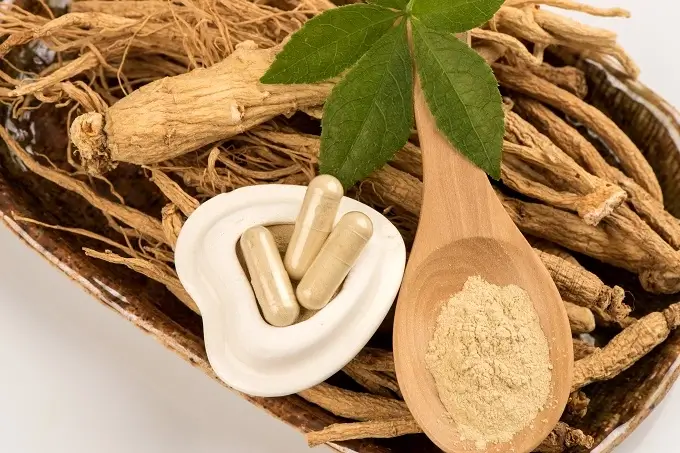
Ginseng is available in several forms: the dried root itself, root powder, capsules, liquid extract, standardised tablets, and ginseng tea. Each has different bioavailability characteristics, meaning the body absorbs and uses them to varying degrees.
Standardised extracts in capsule or tablet form tend to be the most reliable option because they guarantee a known ginsenoside content. Look for products standardised to at least 2 to 5 percent ginsenosides. Ginseng tea is pleasant but typically contains lower ginsenoside levels so may produce more modest effects.
Typical ginseng dosage recommendations in research settings range from 200 mg of a standardised extract up to 2 g of dry root equivalent per day, depending on the form and the condition being studied. Clinical trials have used 2 g per day of Korean red ginseng for up to 12 weeks safely. Starting at the lower end and adjusting based on your response is a sensible approach.
Many practitioners suggest taking ginseng in cycles: two to three months on, followed by a two-to-three-week break. It is believed that following this pattern may prevent the body from becoming accustomed to and therefore desensitised to ginseng’s effects. However, this is common practice rather than a firmly established rule.
Side Effects and Who Should Be Cautious
Ginseng is generally well tolerated at recommended doses, but side effects do occur in some people. The most commonly reported side effects include headaches, insomnia (particularly if taken late in the day), dizziness, nausea, and nervousness. Some women notice changes to their menstrual cycle with longer-term use, likely due to ginseng’s mild oestrogen-like activity.
Blood pressure changes are worth watching. Ginseng may raise or lower blood pressure depending on the dose and individual, so people with hypertension or hypotension should monitor carefully and speak to their GP.
The following groups should avoid ginseng or get medical advice before using it:
- Pregnant or breastfeeding women (safety not established)
- Children (adult doses not appropriate)
- People scheduled for surgery (stop at least a week before, due to potential effects on platelet aggregation and bleeding)
- Anyone with a personal or family history of hormone-sensitive conditions
- People with a history of mania or bipolar disorder (rare reports of ginseng triggering manic episodes)
Drug Interactions to Know About
Ginseng interacts with several medications. This is not an exhaustive list, but the most important interactions to be aware of include:
- Warfarin and other anticoagulants (blood thinners): ginseng may reduce their effectiveness
- Insulin and diabetes medications: combined blood sugar-lowering effects may cause hypoglycaemia
- MAO inhibitors (a type of antidepressant): may interact with stimulant-like effects of ginseng
- Digoxin (a heart medication): ginseng may interfere with digoxin blood level measurements
- Statins: some evidence of interaction via the CYP3A4 enzyme pathway
If you take any prescription medication, check with your GP or pharmacist before starting ginseng. This isn’t alarmist advice; it’s just sensible practice with any biologically active supplement.
Frequently Asked Questions About Ginseng Benefits
How long does ginseng take to work?
Most clinical trials see meaningful effects after two to four weeks of consistent use. Fatigue improvements have been documented in as little as three weeks with Korean red ginseng extract. Don’t expect overnight results. Ginseng works gradually, not dramatically.
Is Asian ginseng or American ginseng better?
Neither is universally better. Asian ginseng (Panax ginseng, including Korean ginseng and red ginseng) tends to be more stimulating and is better studied for energy, sexual function, and physical performance.
American ginseng (Panax quinquefolius) is gentler and may suit people focused on blood sugar management, cognitive support, or immune function. Your individual constitution and health goals should guide the choice.
Can ginseng be taken every day?
Short-term daily use of up to 12 weeks appears safe in most adults at recommended doses, based on clinical trial evidence. Whether longer-term continuous use is optimal is less clear, which is why many practitioners recommend cycling. If you have concerns, a conversation with your GP is always worthwhile.
Does ginseng help with stress?
As an adaptogen, ginseng may help the body manage the physiological effects of stress more efficiently. Research on fatigue in chronic illness populations suggests a real effect on the depletion that stress causes over time. It is not a treatment for anxiety or clinical stress disorders, but as general support for resilience, it has a reasonable evidence base.
Are all ginseng supplements the same quality?
No, and this matters. The ginsenoside content varies widely between products. Choose standardised extracts with a declared ginsenoside percentage and look for products that have been third-party tested. The FDA classifies ginseng as Generally Recognised as Safe (GRAS) as a food ingredient, but supplement regulation does not require manufacturers to prove efficacy or standardise content. Quality checking is your job as the consumer.
Two thousand years of traditional use and a growing body of clinical evidence make ginseng one of the most medically acknowledged herbal supplements available. The ginseng benefits for fatigue, cognitive function, blood sugar, and immune health are supported by peer-reviewed research. Start with a quality standardised extract, be patient with the timeline, and talk to your doctor if you have any underlying health conditions or take prescription medication.
If you’d like to explore how ginseng compares to other well-researched adaptogens, our guides to ashwagandha benefits for men and ashwagandha benefits for women are a good next step. Ashwagandha shares a number of ginseng’s adaptogenic properties and may complement or even suit you better depending on your health goals.
Our Promise
As ever, if you’d like a personal recommendation, the team at Supplement Place is always happy to help you find the right fit. If you would like to discuss any aspect of using natural supplements, or would find advice helpful, please feel free to contact us on 01297 553932