

Related Product
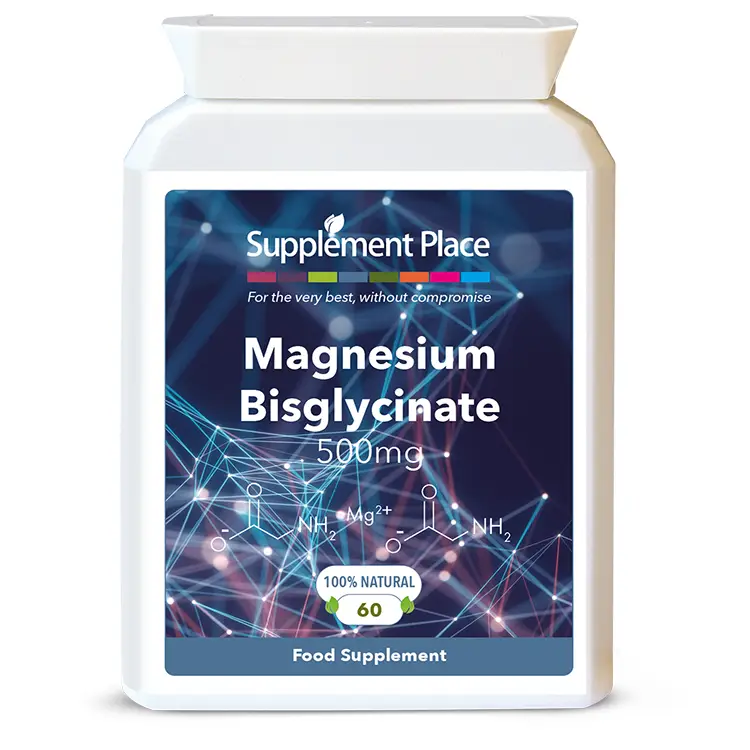 Magnesium Bisglycinate
Are you confused about which magnesium supplement might be best for your specific health needs? Magnesium is one of the most essential minerals in your body, involved in hundreds of biochemical reactions, yet many people don’t get enough through diet alone. Among the various forms available, magnesium malate and magnesium glycinate are two popular options, both offering distinct benefits.
Magnesium plays crucial roles in energy production, muscle function, nervous system regulation, and for maintaining healthy bones. When dietary intake falls short, supplements can help bridge the gap. However, not all magnesium supplements are created equal, and choosing between malate and glycinate depends on your specific health goals and individual needs.
Let’s explore the unique properties of these two forms of magnesium and how they might benefit different aspects of your health.
Understanding Magnesium
Magnesium is the fourth most abundant mineral in your body and is involved in over 300 enzymatic reactions. It supports proper muscle and nerve function, helps maintain healthy blood pressure, and contributes to bone development. Despite its importance, many people don’t consume adequate amounts through their diet.
Information from health authorities indicate that magnesium deficiency is a common problem which is linked to several health conditions. It may be useful to recognise the symptoms of low levels of magnesium to help you decide on the best regime of boosting levels either by wholefoods, supplementation, or possibly both.
Magnesium supplements come in various forms, each with unique properties and benefits. Eight main types are suitable as dietary supplements: citrate, glycinate, chloride, lactate, malate, sulphate, oxide, and taurate (a mixture of magnesium and the amino acid tourine).
The form of magnesium you choose can significantly impact how well your body absorbs it and what specific health benefits you might experience. Let’s examine the common types of magnesium supplements to better understand where malate and glycinate fit in the spectrum.
| Magnesium Form | Bioavailability | Primary Benefits | Best For |
| Malate | High | Energy production, muscle function | Fatigue, muscle pain |
| Glycinate | High | Calm, sleep, minimal digestive impact | Sleep issues, anxiety, sensitive digestion |
| Citrate | Medium-High | General use, constipation relief | Digestive health, general supplementation |
| Oxide | Low | High elemental magnesium content | Constipation, heartburn |
| Taurate | Medium-High | Cardiovascular support | Heart health, blood pressure |
| Threonate | High | Cognitive function | Brain health, memory |
| Chloride | Medium | Digestive aid | Digestive issues |
| Sulphate | Low (topical) | Muscle relaxation | Topical application, baths |
What is Magnesium Malate?
Magnesium malate is a compound formed by combining magnesium with malic acid. Malic acid is a natural substance found in many fruits, particularly apples, and plays a key role in the body’s energy production cycle. This combination creates a supplement that not only provides magnesium but also delivers the potential benefits of malic acid.
Magnesium malate is known for its high bioavailability, meaning your body can absorb and utilise it efficiently. The malic acid component helps transport magnesium into cells, potentially enhancing its effectiveness. This form of magnesium has a gentler effect on the digestive system compared to some other forms like oxide or sulphate.
This supplement is typically available in capsule, tablet, or powder form, giving you flexibility in how you take it. Many people find the taste less bitter than other magnesium forms, making it more palatable when taken as a powder mixed with water or other beverages.
For those interested in trying a high-quality magnesium malate supplement, Supplement Place offers magnesium malate formulated for optimal absorption and effectiveness.

Magnesium Malate Benefits
Magnesium malate offers several potential health benefits that make it a popular choice among various magnesium supplements.
Energy Production Support
One of the standout benefits of magnesium malate is its role in energy metabolism. Both magnesium and malic acid are involved in the body’s energy production cycle (Krebs cycle). This makes magnesium malate potentially beneficial for people experiencing fatigue or low energy levels.
Muscle Function and Recovery
Magnesium malate may help support healthy muscle function and recovery after exercise. A controlled study found that magnesium supplementation (392 mg elementary magnesium) showed a statistically significant maximal serum increase of 0.071 mmol/L (8.4%) compared to 0.041 mmol/L (4.8%) for placebo (p = 0.05), which may contribute to better muscle performance.
Digestive Comfort
Compared to some other forms of magnesium, malate tends to cause less digestive distress, making it suitable for people with sensitive stomachs who still need magnesium supplementation.
Potential Drawbacks of Magnesium Malate
While magnesium malate offers many benefits, it’s important to consider potential limitations:
- Stimulating Effects: Some people find that magnesium malate’s energy-supporting properties can be stimulating. If taken in the evening, this might affect sleep quality.
- Cost Considerations: Magnesium malate tends to be more expensive than some other forms of magnesium like oxide, though this is often justified by its higher absorption rate and additional benefits from malic acid.
- Individual Responses: As with any supplement, individual responses vary. What works well for one person may not provide the same benefits for another.
What is Magnesium Glycinate?
Magnesium glycinate (also called magnesium bisglycinate) is formed by combining magnesium with glycine, an amino acid that acts as a neurotransmitter with calming effects in the brain. This combination creates a highly absorbable form of magnesium that’s known for being gentle on the digestive system. The glycine component not only improves absorption but also contributes additional benefits, particularly for sleep and anxiety.
Magnesium glycinate is typically available in tablet, capsule, or powder form. It often has a milder taste than other magnesium forms, making it more palatable when taken as a powder. Its gentle action on the digestive system means it’s less likely to cause the laxative effect associated with some magnesium supplements.
Supplement Place offer Magnesium Bisglycinate in a highly bioavailable form with added benefits of glycine making the supplement gentle on the digestive system. Our magnesium bisglycinate is buffered and provides 20% elemental magnesium.

Key Benefits of Magnesium Glycinate
Magnesium glycinate offers several distinct advantages that make it a popular choice.
Sleep Support
The glycine component of magnesium glycinate has calming effects on the brain, which may help improve sleep quality. Many people take magnesium glycinate in the evening to help with relaxation and sleep.
Anxiety and Mood
Both magnesium and glycine have roles in supporting healthy nervous system function. This combination may help manage stress and anxiety.
Gentle on Digestion – Magnesium glycinate is less likely to cause digestive discomfort compared to other forms of magnesium. This makes it an excellent choice if you have a sensitive digestive system or have experienced gastrointestinal side effects with other magnesium supplements.
Women’s Health
Magnesium supplementation has shown promise for women’s health concerns. A study found that magnesium supplementation (400-800 mg of magnesium oxide) reduced hot flush scores by 50.4% in women on tamoxifen or aromatase inhibitors, with significant reductions in fatigue, sweating, and distress. While this study used magnesium oxide, the benefits might extend to other forms like glycinate.
Potential Drawbacks of Magnesium Glycinate
Despite its many benefits, magnesium glycinate has some potential limitations to consider:
- Higher Cost: Magnesium glycinate tends to be more expensive than some other forms of magnesium due to its specialised formulation and additional benefits.
- Less Energising: While its calming effects are beneficial for many, if you’re specifically looking for energy support you may prefer magnesium malate over glycinate.
- Limited Laxative Effect: If you’re seeking magnesium for its laxative properties, glycinate might not be as effective as citrate or oxide forms.
Magnesium Malate vs Glycinate: Head-to-Head Comparison
When choosing between magnesium malate and glycinate, understanding their key differences can help you make an informed decision based on your health goals. The following table provides a detailed comparison of these two popular magnesium supplements across various important factors.
| Feature | Magnesium Malate | Magnesium Glycinate |
| Composition | Magnesium + Malic Acid | Magnesium + Glycine (amino acid) |
| Bioavailability | High | High |
| Primary Benefit | Energy production, muscle function | Sleep, relaxation, stress reduction |
| Best Time to Take | Morning or afternoon | Evening or before bed |
| Digestive Impact | Gentle, minimal laxative effect | Very gentle, minimal laxative effect |
| Best For | Fatigue, muscle pain, exercise recovery | Anxiety, insomnia, sensitive digestion |
| Less Suitable For | Sleep issues if taken late in the day | Those seeking energy support |
| Taste (powder form) | Mildly tart | Relatively neutral |
| Cost | Moderate to high | Moderate to high |
| Effect on Sleep | Can be stimulating | Calming, promotes sleep |
This comparison highlights that while both forms offer high bioavailability, their best applications differ based on your health goals. Malate excels for energy and muscle function, while glycinate stands out as support for relaxation and sleep. Understanding these differences can help you select the form that best fits your specific needs.
Scientific Evidence for Magnesium Supplements
The health benefits of magnesium supplementation are supported by various clinical studies. Understanding the quality of evidence for different health conditions can help you make more informed decisions about supplementation. The following table examines the scientific evidence for specific health conditions related to magnesium.
| Health Condition | Evidence Quality | Key Findings |
| Cardiovascular Health | Strong | Scientific evidence shows magnesium supplementation (600 mg for 12 weeks) significantly reduced total cholesterol and LDL while increasing HDL in diabetic patients |
| Pain Management | Strong | A systematic review and meta-analysis of 27 randomised controlled trials supports the use of IV magnesium sulphate as an adjunct to anaesthesia in reducing pain scores and analgesia use post-operatively |
| Colorectal Health | Moderate | Studies demonstrate a 13% reduction in colorectal adenomas for every 100 mg/day increase in magnesium intake |
| Women’s Health | Moderate | Studies show magnesium supplementation reduced hot flush scores by 50.4% in women on cancer treatments, with significant reductions in fatigue, sweating, and distress |
This evidence suggests magnesium supplementation offers promising benefits for several health conditions, though the strength of evidence varies. For some conditions like cardiovascular health and pain management, the research is robust. There is also scientific evidence that magnesium may help with menopause symptoms. Always consult with healthcare professionals before starting any supplementation regimen.
Magnesium Malate vs Glycinate: How to Choose
Selecting the right form of magnesium depends on your specific health goals, preferences, and individual response. Here’s a guide to help you make the best choice for your needs.
Choose Magnesium Malate If:
- You’re looking for support with energy production
- You experience muscle fatigue or soreness
- You prefer taking supplements in the morning or afternoon
- You want the additional benefits of malic acid
- You’re an active person looking for exercise recovery support
Choose Magnesium Glycinate If:
- You’re primarily concerned with sleep quality
- You experience anxiety or stress
- You have a sensitive digestive system
- You prefer taking supplements in the evening
- You’ve had digestive issues with other magnesium forms
Some people benefit from using both forms – taking magnesium malate in the morning for energy support and magnesium glycinate in the evening for relaxation and sleep. This approach maximises the unique benefits of each form while aligning with your body’s natural daily rhythms.
Your personal health history, existing medical conditions, and other supplements or medications you take should also factor into your decision. When in doubt, consult with a healthcare provider who can offer personalised advice based on your complete health profile.
Natural Food Sources of Magnesium

While supplements can be beneficial, obtaining nutrients from whole foods should always be a priority. Foods rich in magnesium provide additional nutrients and fibre that work synergistically with magnesium. Including these foods in your diet can help maintain healthy magnesium levels naturally and complement any supplementation routine you might choose.
| Food | Serving Size | Magnesium Content (mg) | % Daily Value* |
| Pumpkin seeds | 1 oz (28g) | 156 | 37% |
| Spinach (cooked) | 1 cup | 157 | 37% |
| Swiss chard (cooked) | 1 cup | 150 | 36% |
| Black beans | 1 cup | 120 | 29% |
| Avocado | 1 medium | 32 | 19% |
| Dark chocolate (70-85% cocoa solids) | 1 oz (28g) | 65 | 15% |
| Whole wheat bread | 2 slices | 46 | 11% |
| Avocado | 1 medium | 32 | 8% |
| Banana | 1 medium | 32 | 8% |
*Based on a Daily Value (DV) of 420mg for adults
To incorporate more magnesium-rich foods into your diet:
- Add a handful of nuts or seeds to your breakfast cereal or yogurt
- Include leafy greens in salads, smoothies, or sautéed as side dishes
- Snack on dark chocolate (in moderation)
- Add beans to soups, salads, and main dishes
- Enjoy avocado on toast or in salads
Eating a varied diet rich in these foods can help maintain healthy magnesium levels naturally. However, for those with specific health concerns or who struggle to get enough magnesium from food alone, supplements can be a valuable addition to your wellness routine.
Common Questions About Magnesium Supplements
When considering magnesium supplementation, several questions often arise. Here are answers to some of the most common queries to help you navigate your supplementation journey more effectively.
When is the best time to take magnesium supplements?
The timing depends on the form and your goals:
- Magnesium malate is best taken in the morning or early afternoon due to its potential energising effects
- Magnesium glycinate is ideal for evening or before bedtime to support relaxation and sleep
- If taking multiple doses, spacing them throughout the day can improve absorption
What dosage is appropriate?
The recommended dietary allowance (RDA) for magnesium is:
- Adult men: 400-420 mg daily
- Adult women: 310-320 mg daily (350-360 mg during pregnancy)
However, supplement dosages should be determined based on your current dietary intake and specific health needs. Start with a lower dose and gradually increase as needed. Always consult with a healthcare provider for personalised advice.
Can I take magnesium with other supplements or medications?
Magnesium can interact with certain medications including antibiotics, diuretics, and heart medications. It can also affect the absorption of other minerals.
General guidelines:
- Take magnesium supplements at least 2 hours apart from other medications
- Consult with a healthcare provider about potential interactions with any medications
- Be cautious when combining with other supplements containing calcium, zinc, or iron as they can compete for absorption
Conclusion
Choosing between magnesium malate and glycinate depends largely on your specific health goals, preferences, and individual response. Magnesium malate stands out when it comes to energy production, muscle function, and physical recovery, making it ideal if you are very active or if you are struggling with fatigue. Magnesium glycinate, with its calming properties, excels at supporting relaxation, sleep quality, and stress management.
Both forms offer excellent bioavailability and are gentler on the digestive system than some other magnesium supplements. For some people, using both forms strategically—malate during the day and glycinate in the evening—provides comprehensive magnesium support tailored to your body’s natural rhythms.
Remember that while supplements can be beneficial, obtaining nutrients from whole foods should always be a priority. A diet rich in leafy greens, nuts, seeds, and whole grains provides magnesium along with other essential nutrients that work synergistically in the body.
Before starting any new supplement regime, it’s wise to consult with a healthcare provider, especially if you have existing health conditions or take medications. They can help determine the right form and dosage based on your specific needs and circumstances.
With the right approach to magnesium supplementation—whether through malate, glycinate, or a combination of both—you can support your body’s numerous magnesium-dependent processes and potentially improve various aspects of your health and wellbeing.
Our Promise
When it comes to keeping you informed on health and nutrition, we’re here for you and aim to help where we can. If you would like to discuss any aspect of using natural supplements, or would find advice helpful, please feel free to contact us on 01297 553932