

Related Product
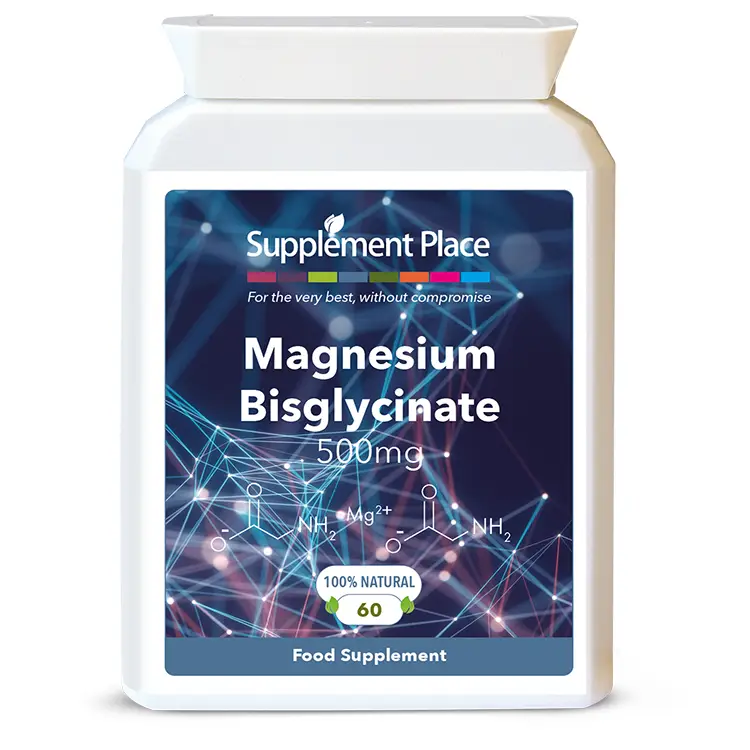 Magnesium Bisglycinate
Are you struggling to fall asleep at night or finding yourself battling persistent feelings of anxiety during the day? The connection between nutrition and mental wellness is stronger than you may realise. Specific vitamins and minerals play crucial roles in regulating your mood, calming your nervous system, and supporting healthy sleep cycles.
In this comprehensive guide, we explore the best vitamins and supplements scientifically proven to help with sleep and anxiety. We also explore how to get these nutrients from natural food sources and explain how they work together with lifestyle habits to maximise your results.
Let’s discover how addressing nutritional deficiencies might be the key to finally finding relief from both sleep issues and anxiety symptoms.
Understanding the Connection Between Vitamins and Mental Wellness
The link between nutrition and mental health is well-established. Our brain requires specific nutrients to produce neurotransmitters like serotonin and GABA, which regulate mood and sleep. When these nutrients are lacking, both anxiety levels and sleep quality can suffer significantly.
Deficiencies in certain vitamins and minerals are surprisingly common in modern diets. Processed foods, soil depletion, and stress all contribute to nutritional gaps. These deficiencies often manifest as mood disturbances, anxiety, and sleep problems before other physical symptoms appear.
Your body uses vitamins and minerals as building blocks for neurotransmitters and hormones. When levels are low your nervous system can’t function optimally, and this affects everything from stress response to your ability to fall asleep and to stay asleep for a meaningful length of time.
Here are some key signs that vitamin deficiencies might be affecting your sleep and mood:
- Persistent fatigue despite feeling you are getting enough sleep
- Irritability or mood swings
- An over-active mind leading to racing thoughts, especially at bedtime
- Muscle tension or cramps
- Waking often during the night

Understanding which supplements might help requires knowing how they function in your body. Let’s compare the top vitamins and minerals that support sleep and anxiety reduction:
| Nutrient | Primary Benefit for Anxiety | Primary Benefit for Sleep | How It Works |
| Vitamin B6 | Reduces anxiety symptoms | Supports melatonin production | Increases GABA production |
| Vitamin B12 | Stabilises mood | Regulates sleep-wake cycles | Supports serotonin production |
| Magnesium | Calms nervous system | Promotes deep sleep | Activates GABA receptors |
| Vitamin D | Reduces anxiety sensitivity | Improves sleep quality | Regulates mood chemicals |
This comparison shows how different nutrients address sleep and anxiety through various mechanisms. Now let’s look at each in more detail:
Vitamin B6: A Powerful Aid for Anxiety
Vitamin B6 (pyridoxine) stands out as one of the most effective vitamins for anxiety relief. High-dose supplementation of vitamin B6 (100 mg/day) significantly reduced self-reported anxiety in a double-blind study of 478 young adults.
This vitamin works primarily by boosting production of GABA (gamma-aminobutyric acid), the brain’s main inhibitory neurotransmitter. GABA has a calming effect, essentially acting as the brain’s natural tranquiliser. When GABA levels increase, racing thoughts and nervous tension tend to decrease.
The same study showed that participants taking B6 supplements also experienced enhanced neural inhibition (measured via visual surround suppression), which the researchers linked to increased GABA activity. This provides a measurable mechanism for how B6 helps reduce anxiety symptoms.
For those struggling with persistent worry or stress, B6 supplementation offers a natural approach worth considering. The effects typically begin after several weeks of consistent supplementation.
As well as supplements, you can also increase your vitamin B6 intake through natural food sources. Here are some of the richest dietary sources:
- Tuna and salmon
- Chicken and turkey
- Chickpeas and other legumes
- Bananas
- Potatoes with skin
Including these foods in your daily diet can help maintain healthy B6 levels. However, for therapeutic effects on anxiety, higher doses through supplementation may be necessary.
Vitamin B12: Essential for Mood and Sleep Regulation
Vitamin B12 (cobalamin) plays a crucial role in neurological function and mood regulation. According to research, individuals with lower blood levels of vitamin B12 are significantly more likely to experience depression or anxiety.
Studies have found that this essential vitamin helps create and regulate neurotransmitters that influence both mood and sleep. B12 is particularly important for production of serotonin and dopamine, both of which help regulate mood and promote feelings of wellbeing.
A 2018 study found that consuming yeast-based spreads fortified with vitamin B12 (such as Marmite or Vegemite) improved anxiety and stress scores. These effects were stronger with B12-fortified products, highlighting the vitamin’s impact on mental wellness.
Sleep disturbances often accompany B12 deficiency, as this vitamin helps regulate melatonin production and maintain healthy sleep-wake cycles. Addressing B12 deficiency can improve both sleep quality and mood stability.
Other foods which can help boost your B12 levels are:
- Shellfish
- Beef Liver
- Nutritional Yeast (fortified)
- Salmon
- Milk
For vegetarians and vegans, B12 supplementation is particularly important, as this vitamin is found naturally almost exclusively in animal products. Fortified foods can help but may not provide therapeutic amounts for addressing anxiety and sleep issues.
It’s important to note that B12 absorption decreases with age, and certain conditions like pernicious anaemia can prevent proper absorption regardless of intake. For those with persistent deficiency, sublingual (under the tongue) supplements or B12 injections may be necessary.
If you choose to supplement with Vitamin B, sourcing a natural wholefood vitamin will ensure maximum bioavailability. Learn more about our Super B Complex.

Magnesium: Nature’s Relaxation Mineral
Magnesium stands out as perhaps the most important mineral for both anxiety reduction and sleep improvement. This essential nutrient regulates serotonin and GABA pathways, directly influencing anxiety and sleep. A 2017 systematic review conducted by the School of Psychology, University of Leeds, looked at clinical evidence supporting magnesium’s role in reducing anxiety symptoms by modulating neural excitability.
Often called ‘nature’s tranquilliser,’ magnesium works through multiple mechanisms to promote calmness and better sleep. It helps activate GABA receptors in the brain, blocks excitatory stimulation, relaxes muscle tension, and helps regulate the body’s stress response system.
Many people today are deficient in magnesium due to soil depletion, processed food diets, and increased stress levels (which deplete magnesium). Common symptoms of magnesium deficiency include:
- Muscle tension, cramps, or spasms
- Difficulty falling or staying asleep
- Heightened stress response
- Heart palpitations or rapid heartbeat
- Constant fatigue or low energy
Not all forms of magnesium are created equal. Different types offer varying benefits for sleep and anxiety:
| Magnesium Type | Best For | Absorption Rate | Notable Features |
| Magnesium Glycinate | Sleep, Anxiety | High | Gentle on stomach, doesn’t cause loose stools |
| Magnesium Threonate | Brain Function, Anxiety | High (crosses blood-brain barrier) | Specifically targets brain magnesium levels |
| Magnesium Malate | Energy, Muscle Tension | Medium-High | Good for daytime use, helps with fatigue |
| Magnesium Citrate | General Use, Constipation | Medium | May cause loose stools at higher doses |
| Topical Magnesium | Muscle Relaxation, Sleep | Varies (bypasses digestive system) | Applied directly to skin, good for targeted relief |
For topical application, products like Magnesium Sleep Spray can be particularly effective for relaxation before bedtime. Applied directly to the skin, this bypasses digestive absorption issues and delivers magnesium where it’s needed.
For general anxiety relief throughout the day, oral supplements like Magnesium Bisglycinate offer excellent absorption with minimal digestive discomfort. This form is especially beneficial for consistent, gentle anxiety relief and improved sleep quality.
Those with muscle tension might find dual relief from both anxiety and physical discomfort using Magnesium Muscle Spray, which targets specific areas of tension while also providing the calming effects of magnesium.
Other Beneficial Supplements for Sleep and Anxiety
While B vitamins and magnesium form the foundation of nutrition for sleep and anxiety, several other supplements can provide additional support. These can be particularly helpful when used in combination with the core nutrients discussed above.
L-Theanine
L-theanine, an amino acid found in green tea, promotes relaxation without sedation. Research shows it increases alpha brain waves associated with a state of ‘calm alertness’ and can reduce the physiological stress response. This makes it ideal for daytime anxiety management without causing drowsiness.
Ashwagandha
Ashwagandha, an adaptogenic herb, helps the body resist stress and can significantly reduce anxiety symptoms. The concept of using adaptogenic herbs like ashwagandha for sleep works well alongside vitamin supplementation, as they address different aspects of stress response.
For those with anxiety affecting focus and concentration, you may wish to learn more about how natural nootropics can help during periods of anxiety. These cognitive enhancers can help maintain mental performance even when anxiety threatens to derail concentration.
GABA
GABA supplements work directly on the inhibitory neurotransmitter system. While GABA itself has limited ability to cross the blood-brain barrier, certain formulations can help support the body’s natural GABA production or function.
Omega 3
Omega-3 fatty acids, particularly EPA and DHA, have been shown to reduce inflammation and support brain health. This anti-inflammatory effect may help reduce anxiety symptoms, as inflammation has been linked to both anxiety and depression. Our omega-3 capsules, sourced from algae rather than fish, are suitable for vegans but still contain EPA and DHA.
When considering these additional supplements, it’s important to remember that more isn’t always better. Strategic combinations addressing your specific symptoms often work better than taking numerous supplements without a plan.
If you’re suffering from chronic stress, understanding the connection between stress, anxiety, and mental health is an important first step before adding supplements to your routine.
Choose Quality Supplements for Sleep and Anxiety
With so many options available, selecting high-quality supplements can feel overwhelming. Not all products are created equal, and the difference in quality can significantly impact effectiveness.
First, look for supplements with transparent sourcing and manufacturing practices. Reputable companies clearly state where their ingredients come from and how they’re processed. This transparency indicates a commitment to quality.
For B vitamins, consider the form used. Methylated B vitamins (like methylcobalamin for B12) are generally better absorbed than cheaper forms (like cyanocobalamin). These active forms require less processing by your body.
When choosing magnesium supplements, the type matters significantly. For sleep and anxiety, magnesium glycinate or bisglycinate provides the best results with minimal digestive side effects.
Here are key factors to consider when selecting supplements:
- Appropriate dosage based on research
- Form of the nutrient (for optimal absorption)
- Quality of inactive ingredients (avoiding unnecessary fillers)
- Third-party testing verification
Remember that supplements should complement, not replace, a nutrient-rich diet. Even the highest quality supplements work best when combined with proper nutrition and lifestyle habits.
Food Sources for Sleep and Anxiety-Relieving Nutrients

While supplements offer convenient, concentrated doses of key nutrients, obtaining these vitamins and minerals from food provides additional benefits. Whole foods contain cofactors, enzymes, and fibre that enhance absorption and effectiveness.
For vitamin B6, focus on protein-rich foods like poultry, fish, and chickpeas. A single serving of chicken breast provides about 25% of your daily B6 needs. Plant sources include bananas, potatoes with skin, and pistachios.
Vitamin B12 is primarily found in animal products, with organ meats, shellfish, and fish being the richest sources. Vegetarians can obtain B12 from dairy products and eggs, while vegans should look for fortified foods or consider supplementation.
Magnesium-rich foods include dark leafy greens, nuts, seeds, beans, and whole grains. If you can choose organic this will help as modern farming practices have decreased the magnesium content in many foods, making it difficult to get therapeutic amounts from diet alone.
For a comprehensive approach to anxiety and sleep support, incorporate these nutrient-dense foods into your daily meals:
| Nutrient | Top Plant Sources | Top Animal Sources |
| Vitamin B6 | Chickpeas, Bananas, Potatoes | Chicken, Tuna, Turkey |
| Vitamin B12 | Nutritional Yeast (fortified) | Shellfish, Beef Liver, Salmon |
| Magnesium | Spinach, Pumpkin Seeds, Almonds, Bananas, Dark Chocolate (in moderation!) | Mackerel, Salmon, Halibut |
| Vitamin D | Mushrooms (UV-exposed) | Salmon, Mackeral, Sardines, Egg Yolks |
Creating meals that combine these nutrients can maximise their benefits. For example, a salmon salad with leafy greens, avocado, and pumpkin seeds provides B12, B6, magnesium, and vitamin D in one meal.
Breakfast can incorporate calming and stress relieving nutrients:
- Half a cup of rolled oats (containing magnesium and B vitamins)
- 1 banana (rich in magnesium)
- 1 tablespoon of pumpkin seeds (very high in magnesium and zinc)
- Handful of blueberries (antioxidant to help with the effects of stress)
- Almond or oat milk
- Optional drizzle of honey
For a main course try lentil and sweet potato curry with brown rice:
- Lentils (high in B vitamins, magnesium, iron, and plant protein)
- Sweet potatoes (contain calming carbs and vitamins B6)
- Coconut milk, turmeric, garlic, ginger (anti-inflammatory and gut supporting)
- Serve with half a cup of brown rice (complex carb helps tryptophan uptake)
Herbal teas and tisanes can also support sleep and anxiety reduction. Chamomile, lavender, valerian and lemon balm teas have mild calming effects that complement the actions of vitamins and minerals. These can be particularly helpful as part of a bedtime routine.
Combining Supplements with Lifestyle Changes

With anxiety affecting nearly 275 million people worldwide, finding effective supplements is crucial, but they should be viewed as part of a broader strategy rather than a single solution.
Supplements work best when they form part of a comprehensive approach to managing sleep and anxiety. Certain lifestyle practices can either enhance or diminish the effectiveness of your supplement regimen.
- Physical Activity – Regular physical activity significantly improves both sleep quality and anxiety levels. Exercise helps regulate neurotransmitters, reduces muscle tension, and promotes deeper sleep. Even 20-30 minutes of daily movement can make a substantial difference.
- Screen Time – Managing screen time before bed is essential for sleep improvement. Blue light from phones, computers, and TVs suppresses melatonin production, making it harder to fall asleep even when taking sleep-supporting supplements.
- Stress Reduction – Stress management techniques complement the biochemical support from supplements. Practices like deep breathing, meditation, and progressive muscle relaxation activate the parasympathetic nervous system, enhancing the calming effects of supplements like magnesium.
- Alcohol & Caffeine – Alcohol and caffeine can interfere with nutrient absorption and effectiveness. Alcohol depletes B vitamins and disrupts sleep cycles, while excessive caffeine can counteract the calming effects of supplements like magnesium and increase anxiety symptoms.
- Routine – Creating a relaxing and consistent bedtime routine, even on weekends, can support quality sleep.
Remember that consistency matters more than perfection. Small, sustainable changes implemented alongside your supplement regime, will yield better results than dramatic but short-lived lifestyle overhauls.
Conclusion
Vitamins and minerals play crucial roles in managing both sleep and anxiety. Vitamin B6 helps boost GABA production, reducing anxiety symptoms. Vitamin B12 supports serotonin synthesis and mood regulation. Magnesium calms the nervous system and promotes relaxation.
While supplements provide targeted, therapeutic doses of these nutrients, incorporating food sources ensures you receive the full spectrum of cofactors and complementary nutrients. The best approach combines quality supplements with nutrient-dense foods and supportive lifestyle practices.
When choosing supplements, prioritise quality, appropriate dosage, and the correct form for optimal absorption. Products like Magnesium Sleep Spray and Magnesium Bisglycinate offer effective options for sleep and anxiety support.
Remember that individual responses to supplements vary, and finding your optimal combination may require some experimentation. Start with the core nutrients discussed here, monitor your response, and adjust as needed.
By addressing nutritional benefits both in diet and supplementation, you can create a comprehensive strategy for improving sleep quality and reducing anxiety by natural means.
Our Promise
When it comes to keeping you informed on health and nutrition, we’re here for you and aim to help where we can. If you would like to discuss any aspect of using natural supplements, or would find advice helpful, please feel free to contact us on 01297 553932.