
Related Product
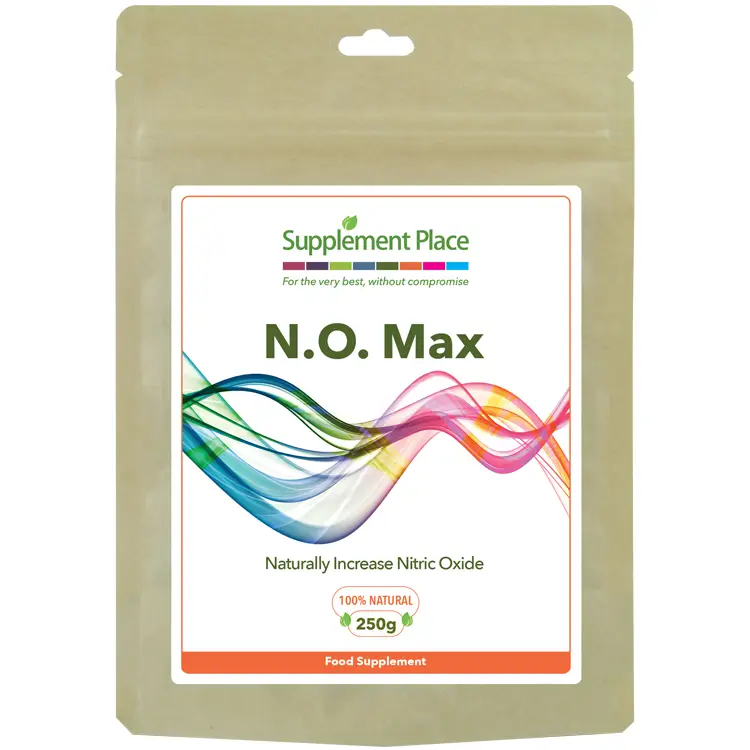 N.O. Max Powder
Are you looking for ways to support your cardiovascular health and energy levels naturally? Nitric oxide supplements are gaining significant attention for their potential to improve blood flow and overall wellness, but with so many options available, which ones most effectively deliver results based on scientific evidence?
Nitric oxide (NO) supplements work by supporting your body’s natural production of this vital signalling molecule. NO acts as a vasodilator to relax blood vessels and regulate blood pressure, which explains why many people turn to these supplements for heart health, sexual dysfunction, and athletic performance support.
What you’ll discover in this guide are evidence-based recommendations for boosting your nitric oxide levels. We’ll examine specific supplements that show promise in clinical research, how they work in your body, and practical ways to support NO production through diet and lifestyle choices. You’ll also learn about safety considerations and how to identify quality products.
The goal is simple. By understanding the science behind nitric oxide and making informed choices, you can take meaningful steps towards better cardiovascular function and overall vitality.
Understanding Nitric Oxide and Why It Matters
Nitric oxide is a remarkable molecule that your body produces naturally. It plays crucial roles far beyond just cardiovascular health, though that’s often what gets the most attention.
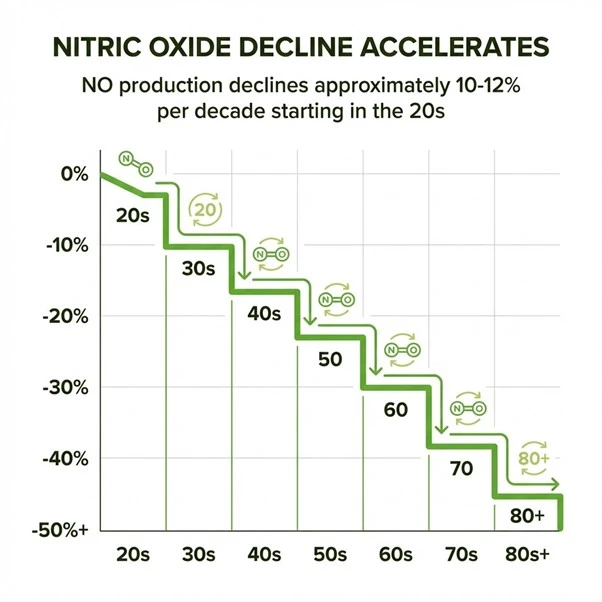
The challenge is that NO production declines by approximately 10-12% per decade, starting when you are in your 20s. By the time you reach middle age, your body produces considerably less nitric oxide than it did in your youth. This natural decline has led many to explore supplementation alongside dietary strategies.
Your body relies on NO for communication between cells. It helps facilitate messages throughout your nervous system and supports immune response functions. Nitric oxide increases mucosal blood flow in the gastrointestinal tract, which contributes to digestive health and nutrient absorption.
Nitric oxide supports digestive health by increasing mucosal blood flow and aiding nutrient absorption. Gastric damage may sometimes be caused by an excess of non-steroidal over-the-counter anti-inflammatory medication and research has found that NO may help with this.
The molecule also activates mitochondria, the energy-producing powerhouses in your cells. When NO levels are optimised, many people report better energy throughout the day and improved exercise performance.

How Your Body Produces Nitric Oxide
Your body creates NO through two primary pathways. The first involves converting the amino acid L-arginine into nitric oxide through enzymatic processes. The second pathway uses dietary nitrates from foods, which are converted to nitrite and then to NO.
Both pathways matter for maintaining healthy levels. The enzymatic pathway becomes less efficient with age, which is why the dietary nitrate pathway grows increasingly important as you get older.
Certain lifestyle factors can impair NO production. Poor oral health, for instance, disrupts the bacterial conversion of nitrates. Mouthwash that kills beneficial bacteria can reduce your body’s ability to produce NO from dietary sources.
Signs of Declining Nitric Oxide
Low NO levels often manifest in subtle ways at first. You might notice reduced stamina during physical activity. Some people experience cooler hands and feet due to decreased circulation.
Blood pressure readings may creep upward over time. Recovery from exercise might take longer than it used to. These signs don’t guarantee low NO levels, but they suggest it’s worth paying attention to cardiovascular health.
Mental clarity can also suffer when blood flow to the brain isn’t optimal. Many people don’t realise that cognitive function depends partly on healthy NO production.
L-Arginine: The Direct Precursor Approach
L-arginine is an amino acid that your body converts directly into nitric oxide. This makes it one of the most straightforward supplementation strategies for boosting NO levels.
Clinical studies have examined L-arginine for various cardiovascular applications. Some research suggests benefits for people with certain heart conditions, though results have been mixed across different populations.
The typical dosage ranges from 3 to 6 grams daily, often split into multiple doses. Some people experience digestive discomfort at higher doses, which is worth considering when starting supplementation.
Food Sources of L-Arginine
You don’t necessarily need supplements to increase arginine intake. Turkey and chicken breast provide substantial amounts. Pumpkin seeds and peanuts are excellent plant-based sources.
Dairy products like cottage cheese contain meaningful quantities. Chickpeas and lentils offer arginine along with fibre and other beneficial nutrients.
A balanced diet that includes these foods regularly can support your body’s arginine levels naturally. Supplementation becomes more relevant for people with specific health goals or dietary restrictions.
Limitations of L-Arginine Supplements
L-arginine faces a significant challenge in the body. An enzyme called arginase breaks down arginine before it can be converted to NO, particularly in people with compromised vascular health.
This means that simply taking more arginine doesn’t always translate to proportionally more nitric oxide production. The conversion efficiency varies considerably between individuals.
Some researchers now favour alternative approaches that work around the arginase issue. This has led to growing interest in L-citrulline as a potentially superior option.
L-Citrulline: The Indirect Strategy
L-citrulline is another amino acid that supports NO production, but it takes a different route. Your kidneys convert citrulline into arginine, which then becomes nitric oxide.
The advantage of this indirect pathway is that citrulline bypasses the initial breakdown that affects arginine supplements. This often results in more sustained arginine elevation and potentially better NO production.
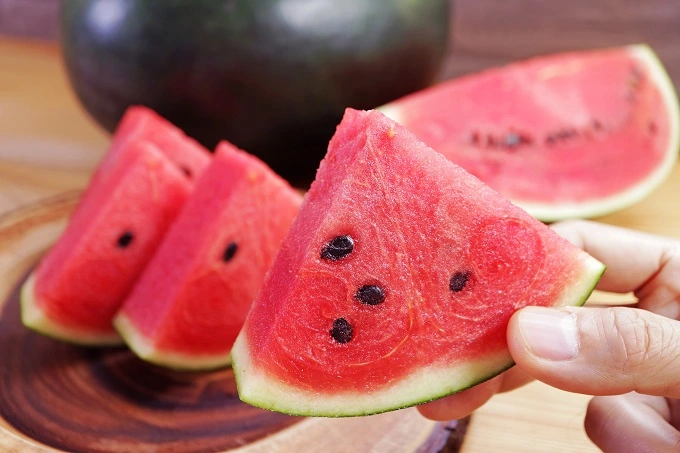
Research suggests that 6 to 8 grammes of L-citrulline daily may support exercise performance and cardiovascular function. Watermelon is particularly rich in citrulline, though you’d need to eat quite a bit to match supplement doses.
Citrulline Malate vs Pure L-Citrulline
You’ll find two main forms of citrulline supplements. Pure L-citrulline contains only the amino acid. Citrulline malate combines citrulline with malic acid.
Citrulline malate is popular among athletes because malic acid may support energy production independently. The malate portion typically comprises about 50% of citrulline malate supplements by weight.
If you’re comparing products, check whether the dose listed refers to pure citrulline or citrulline malate. You’ll need roughly twice as much citrulline malate to get the same amount of actual citrulline.
Natural Dietary Citrulline
Watermelon contains citrulline in concentrations that increase as the fruit ripens. The white rind contains more citrulline than the red flesh, though few people enjoy eating it.
Cucumbers and other melons provide smaller amounts. Squash and gourds from the same plant family also contain some citrulline.
Enjoying these foods regularly supports your overall nutrient intake. For therapeutic levels of citrulline, though, supplementation offers a more practical approach.
Beetroot and Dietary Nitrates
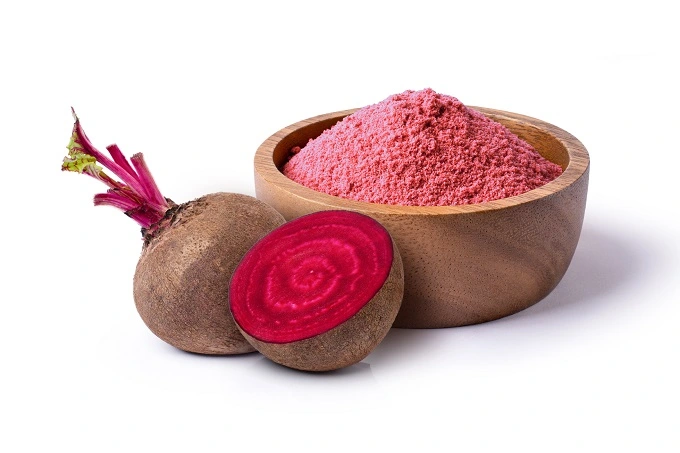
Beetroot has become increasingly popular for its high nitrate content. Your body converts these nitrates into nitric oxide through the nitrate-nitrite-NO pathway mentioned earlier.
Beetroot juice and powder supplements provide concentrated sources of nitrates. Studies examining athletic performance have used doses equivalent to 300-500 mg of nitrates, roughly the amount in 500ml of beetroot juice.
The cardiovascular benefits may extend beyond just NO production. Beetroot contains the pigment known as betalain, and other antioxidants that independently support overall vascular health.
Other Nitrate-Rich Foods
Leafy greens top the list of dietary nitrate sources. Rocket (arugula) contains exceptionally high levels. Spinach and Swiss chard provide substantial amounts as well.
Celery and beetroot greens offer more nitrates than many people realise. Even carrots and cabbage contribute meaningful quantities when consumed regularly.
A diet rich in vegetables naturally provides nitrates alongside fibre, vitamins, and minerals. This whole-food approach offers benefits that isolated supplements cannot replicate.
Timing and Preparation Considerations
Nitrate conversion to NO takes time. Research on beetroot juice typically shows peak effects 2-3 hours after consumption, making timing relevant for athletic performance goals.
Cooking can reduce nitrate content in vegetables, though the loss varies by cooking method. Steaming preserves more nitrates than boiling. Raw consumption maintains full nitrate content.
Storage matters too. Nitrates are stable, but the beneficial bacteria in your mouth that convert nitrates need to remain healthy. This brings us back to avoiding antibacterial mouthwashes that disrupt this process.
Pine Bark Extract
Pine bark extract contains compounds called proanthocyanidins that may support NO production indirectly.
These extracts appear to work by supporting the enzymes that produce NO rather than providing direct precursors. This represents a complementary approach to amino acid-based supplements.
Clinical research has examined doses ranging from 100-200mg daily. Some studies suggest benefits for blood pressure and endothelial function, though more research would strengthen these findings. If you’re interested in how pine bark extract works in your body, check out our detailed guide on the benefits of pine bark extract.

Antioxidant Properties
Pine bark extracts provide potent antioxidant activity. This matters for NO because oxidative stress can degrade nitric oxide before it performs its functions.
By reducing oxidative damage, these extracts may help preserve the NO your body produces. This creates a synergistic effect when combined with supplements that boost NO production.
The antioxidants in pine bark also support overall cardiovascular health through mechanisms beyond just nitric oxide. This makes it an interesting option for comprehensive vascular support.
Food Sources of Proanthocyanidins
Whilst you cannot extract pine bark easily at home, similar compounds appear in more accessible foods. Grape seeds contain related proanthocyanidins, as do cranberries and blueberries.
Dark chocolate and cocoa powder provide flavonoids with similar properties. Apples, especially with their skins, offer modest amounts.
Including a variety of berries and dark chocolate in your diet supports your antioxidant intake broadly. For the specific compounds found in pine bark extract, though, supplementation offers targeted concentrations.
Garlic and Aged Garlic Extract
Garlic has been studied for cardiovascular health for decades. Its effects on NO production relate to compounds released when garlic is crushed or aged.
Aged garlic extract undergoes a specific processing method that concentrates certain beneficial compounds whilst reducing the harsh odour and potential digestive irritation of raw garlic.
Research has examined doses around 600-1200mg of aged garlic extract daily. Some clinical trials suggest modest benefits for blood pressure and arterial health.
Using Fresh Garlic Effectively
Raw garlic produces allicin when crushed, which converts to various sulphur compounds that may support NO production. Crushing garlic and letting it sit for 10 minutes before cooking helps preserve these compounds.
Heat destroys some of garlic’s beneficial properties. Adding crushed garlic near the end of cooking preserves more of its active compounds.
Potential Digestive Considerations
Raw garlic can irritate the digestive system, especially on an empty stomach. Some people experience heartburn or upset stomach from even modest amounts.
Aged garlic extract tends to be gentler on digestion. The ageing process reduces the harsh compounds whilst retaining cardiovascular benefits.
If you’re taking anticoagulant medications, consult your healthcare provider before using garlic supplements regularly. Garlic can thin blood and may interact with certain drugs.
Vitamin C and Nitric Oxide Preservation
Vitamin C doesn’t directly create nitric oxide, but it plays a crucial role in preserving the NO your body produces. This antioxidant protects NO from oxidative degradation.
Some research suggests vitamin C may also support the enzymes involved in NO production. This dual action makes it a valuable companion to other NO-supporting strategies.
Most people can meet vitamin C needs through diet, though supplementation at 500-1000mg daily is common for specific health goals.
Vitamin C-Rich Foods
Citrus fruits immediately come to mind, but they’re far from the only excellent sources. Red peppers contain more vitamin C per serving than oranges. A single medium pepper provides more than your daily requirement.
Kiwi fruit packs substantial vitamin C into a small package. Strawberries and other berries contribute meaningful amounts along with additional antioxidants.
Broccoli and Brussels sprouts provide vitamin C alongside sulforaphane (another potent antioxidant) and other beneficial plant compounds. Eating these vegetables raw or lightly steamed preserves more vitamin C than heavy cooking.
Timing Vitamin C Intake
Vitamin C is water-soluble, meaning your body doesn’t store large amounts. Spreading intake throughout the day maintains more consistent blood levels than taking one large dose.
Taking vitamin C with meals may improve tolerance for some people. The buffering effect of food can reduce potential stomach sensitivity.
If you’re combining vitamin C with beetroot or other nitrate sources, timing them together may enhance NO preservation from those dietary nitrates.
Lifestyle Factors That Support Nitric Oxide
Supplements represent just one piece of the NO optimisation picture. Several lifestyle factors profoundly influence your body’s ability to produce and preserve nitric oxide.
Exercise itself stimulates NO production. The increased blood flow during physical activity triggers your blood vessels to produce more NO. This creates a positive cycle where exercise boosts NO, which then supports better exercise performance.
Regular activity maintains the health of your endothelial cells, which line your blood vessels and produce much of your body’s NO. Even moderate exercise like brisk walking provides benefits.
Oral Health and Nitric Oxide
Your oral microbiome plays a surprisingly important role in NO production. Antibacterial mouthwashes can destroy these helpful bacteria. Research has shown that using chlorhexidine mouthwash can significantly reduce NO production from dietary nitrates.
Maintaining good oral hygiene through regular brushing and flossing supports overall health. Just consider avoiding harsh antibacterial rinses unless specifically needed for dental treatment.
Sun Exposure and Nitric Oxide
Sunlight exposure on your skin can trigger NO release from stores in the skin. This represents a third pathway for NO production beyond the enzymatic and dietary nitrate routes.
This doesn’t mean you should sunbathe excessively. Moderate sun exposure of 10-30 minutes daily on uncovered arms and legs provides benefits without excessive skin damage risk.
The time-of-day matters. Midday sun provides more UVB rays, which are most effective for vitamin D production, but morning or late afternoon sun may be preferable for NO benefits with less risk of burning and skin damage.
It’s worth noting that most sunscreens are designed to block UVB as this is what causes sunburn and melanoma. UVA radiation, more than UVB, releases nitric oxide into your bloodstream and can lower blood pressure independently of vitamin D.
Broad spectrum sunscreens block both UVB and UVA, but the protection given is often incomplete and depends greatly upon the thickness of the lotion/cream and how often it is reapplied.
NOTE: Protecting yourself from skin cancer is much more important than choosing to use sun exposure to boost nitric oxide release.
Combining Supplements for Synergistic Effects
Rather than relying on a single supplement, many people combine complementary approaches. Research suggests that supporting nitric oxide through multiple pathways may provide more consistent benefits than any single method.
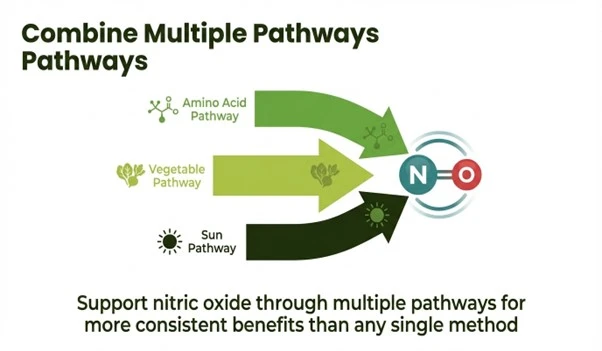
A common combination pairs L-citrulline with beetroot extract. This addresses NO production through both amino acid conversion and dietary nitrate pathways simultaneously.
Adding vitamin C and a polyphenol source like pine bark extract helps preserve the NO produced by the other supplements. This creates a more complete approach.
Sample Combination Protocols
A basic stack might include 6g of L-citrulline, 500mg of beetroot extract, and 500mg of vitamin C daily. This covers the main pathways without excessive complexity.
A more comprehensive approach could add 100mg of pine bark extract and aged garlic extract. This provides additional antioxidant support and enzyme enhancement.
Start with one supplement at a time rather than beginning everything simultaneously. This helps you assess individual tolerance and identify any products that might not agree with your system.
Timing Your Supplement Protocol
L-citrulline often works best taken 30-60 minutes before exercise for performance goals. For general cardiovascular support, splitting the dose between morning and evening maintains more consistent levels.
Beetroot extract can be taken with meals to support the conversion process. Taking it a few hours before desired effects allows time for the nitrate-nitrite-NO conversion.
Vitamin C and pine bark extract can be taken alongside your other supplements. Their protective effects work continuously rather than requiring specific timing.
Safety Considerations and Interactions
Nitric oxide supplements are generally well-tolerated, but several considerations deserve attention. People taking medications for blood pressure or heart conditions should consult their healthcare provider before starting NO supplements.
NO supplements can lower blood pressure, which is often desirable. However, combining them with blood pressure medications might create an excessive drop that causes dizziness or other issues.
Anyone taking nitrate medications for angina must avoid NO supplements without medical supervision. The combination can cause dangerous blood pressure drops.
Common Side Effects
Digestive discomfort represents the most common side effect from amino acid-based supplements. Taking them with food often reduces this issue.
Beetroot supplements can cause temporary red colouration in urine and stool. This is harmless but can be alarming if you’re not expecting it.
Some people experience mild headaches when starting NO supplements, particularly beetroot-based products. This usually resolves within a few days as your body adjusts.
Who Should Exercise Caution
People with kidney disease should discuss amino acid supplements with their doctor. High protein intake requires healthy kidney function to process safely.
Those scheduled for surgery should discontinue NO supplements at least two weeks beforehand. The blood pressure and blood flow effects could complicate surgical procedures.
Pregnant and nursing women should avoid supplementation unless specifically recommended by their healthcare provider. Whilst dietary sources are safe, concentrated supplements lack sufficient safety research in these populations.
Measuring Your Progress
Assessing whether NO supplements are working for you involves both subjective and objective measures. Many people report feeling more energetic within a few weeks of starting supplementation.
Exercise performance often improves noticeably. You might find that activities that previously left you breathless become more manageable. Recovery between workout sessions may speed up.
Blood pressure monitoring provides objective data. If you’re tracking BP at home, note whether readings trend downward over several weeks. Changes typically emerge gradually rather than overnight.
Physical Indicators
Improved circulation often manifests as warmer hands and feet. If your extremities typically feel cold, warming up could indicate better blood flow.
Some men notice improvements in erectile function, which depends heavily on healthy NO production. This represents one of the more sensitive markers of vascular health.
Cognitive clarity may improve as cerebral blood flow optimises. Better focus and reduced afternoon mental fatigue sometimes emerge as secondary benefits.
When to Reassess Your Approach
Give any supplement protocol at least 4-6 weeks before drawing conclusions. Nitric oxide production and vascular changes occur gradually.
If you notice no changes after two months of consistent use, consider adjusting your approach. Perhaps try a different form of supplement or increase your focus on dietary and lifestyle factors.
Working with a healthcare provider who can order blood work provides the most precise assessment. Markers of vascular health and inflammation can reveal changes that aren’t immediately obvious through symptoms alone. For those interested in overall cardiovascular health, our article on poor circulation and sex life explores related circulation issues.
Building a Nitric Oxide-Friendly Diet
Whilst supplements offer convenience and concentrated doses, building a diet that naturally supports NO production provides sustainable, long-term benefits.
Focus on vegetables, particularly leafy greens and beetroot. These should feature prominently in your daily meals, not just appear occasionally.
Include protein sources rich in arginine and citrulline. Nuts, seeds, legumes, and poultry all contribute. Watermelon makes an excellent summer treat that also supports NO production.
Quick Answers to Common Questions
Are nitric oxide supplements safe for long-term use?
Most NO supplements like L-citrulline and beetroot extract show good safety profiles for extended use. However, people with kidney disease or those taking blood pressure medications should consult healthcare providers before long-term supplementation.
How long does it take to notice benefits from NO supplements?
Some people report improved exercise performance within days, particularly from beetroot-based products. Cardiovascular benefits typically emerge more gradually over 4-6 weeks of consistent use as vascular health improves.
Can I get enough nitric oxide support from diet alone?
Absolutely. A diet rich in leafy greens, beetroot, citrus fruits, watermelon, nuts, and seeds provides substantial support for NO production. Supplementation offers convenience and concentrated doses but isn’t essential for everyone.
Conclusion
Supporting your body’s nitric oxide production represents one of the most evidence-based approaches to cardiovascular health. The research clearly demonstrates that NO plays vital roles throughout your body, from blood pressure regulation to cellular energy production.
- L-citrulline offers an efficient amino acid approach.
- Beetroot provides dietary nitrates through the alternative pathway.
- Pine bark extract and vitamin C help preserve the NO your body produces.
- A NO-rich diet combined with targeted supplementation and regular exercise creates a comprehensive strategy.
- Start with one of two interventions and see how you feel after a month.
- Track metrics such as energy levels, exercise performance and blood pressure.
The science supporting nitric oxide’s importance continues to develop. What remains constant is that supporting your vascular health through nitric oxide production offers benefits that extend far beyond any single system. Your heart, brain, muscles, and digestive system all function better when circulation is optimised. If you’re interested in related circulation benefits, particularly for sexual health, you might explore low testosterone and sexual health, as NO and testosterone often work together.
Remember that supplements work best as part of an overall healthy lifestyle. They complement good nutrition, regular movement, adequate sleep, and stress management. They don’t replace these fundamentals.
Your cardiovascular system supports literally every function in your body. Taking steps to optimise nitric oxide production is an investment in your overall health and vitality that will pay dividends for years to come.
Related Supplements
Our Promise
When it comes to keeping you informed on health and nutrition, we’re here for you and aim to help where we can. If you would like to discuss any aspect of using natural supplements, or would find advice helpful, please feel free to contact us on 01297 553932