

Related Product
 Magnesium Bisglycinate
Ever wonder if that twitchy, restless feeling in your legs at night could be linked to something as simple as a mineral deficiency?
If you’ve been dealing with restless legs syndrome (RLS), you’re not alone. Many adults are affected by this debilitating condition to a clinically significant extent, and here is a very telling fact: magnesium plays a key role in nerve function and muscle relaxation which directly connects to those uncomfortable sensations you’re experiencing.
In this guide, we’ll explore how magnesium works in your body to calm overactive nerves, which types of magnesium supplements work best for RLS, and how you can boost your intake through whole foods.
We’ll also look at the science behind the magnesium-RLS connection, practical dosage recommendations, and what to watch for in terms of side effects.
What Is Restless Legs Syndrome (RLS)?
Willis-Ekbom disease, also known as restless legs syndrome, is a neurological condition that creates an overwhelming urge to move your legs, usually accompanied by uncomfortable sensations. These feelings typically worsen in the evening or at night when you’re trying to rest.
deep in the leg muscles. The only relief comes from moving your legs, which obviously makes falling asleep incredibly difficult.
Shown in a cross-sectional study conducted among 133 adult patients diagnosed with RLS , the impact on sleep quality was found to be significant. 80.45 percent of the participants with restless legs syndrome reported sleep complaints, including delayed sleep onset, frequent waking, and non-refreshing sleep. This sleep disruption is known to affect energy levels, mood, concentration, and overall quality of life.

RLS isn’t just annoying. It’s a legitimate medical condition that interferes with daily functioning and wellbeing.
Common RLS Symptoms
The hallmark symptoms of restless legs syndrome include uncomfortable sensations in the legs that typically begin during periods of rest or inactivity. You might notice symptoms starting as you settle into bed or sit down to watch television in the evening.
Movement provides temporary relief. Walking, stretching, or rubbing your legs helps ease the discomfort, but symptoms return once you stop moving.
Symptoms follow a distinct pattern throughout the day. They’re usually worse in the evening and at night, with minimal or no symptoms during morning hours.
What Causes RLS?
The exact cause of RLS isn’t fully understood, but research points to several contributing factors. Brain iron deficiency appears to play a central role in disrupting dopamine function, which affects motor control and muscle regulation.
Recent research has also identified vascular factors. Elevated hypoxia-inducible factors and vascular endothelial growth factors are observed in the microvasculature of patients with restless legs syndrome. This suggests blood flow and oxygen delivery to tissues may contribute to symptoms.
Genetics plays a role too. If you have family members with RLS, you’re more likely to develop the condition yourself.
Certain medical conditions increase RLS risk, including kidney disease, diabetes, peripheral neuropathy, and pregnancy. Some medications, particularly certain antidepressants and antihistamines, can trigger or worsen symptoms.
What Is Magnesium and Why Is It Important?
Magnesium is an essential mineral that participates in over 300 enzymatic reactions throughout your body. It’s involved in everything from energy production to DNA synthesis to nerve transmission.
Your body can’t produce magnesium on its own. You need to get it through diet or supplementation.
Magnesium plays particularly important roles in muscle and nerve function. It helps regulate neurotransmitters that send messages throughout your nervous system and to your muscles.

Magnesium’s Role in Nerve and Muscle Function
Magnesium acts as a natural calcium blocker. It prevents excessive calcium from entering nerve cells, which helps regulate nerve impulses and prevents over-stimulation of the nervous system.
Think of calcium as the “go” signal for muscle contraction. Magnesium provides the “stop” signal that allows muscles to relax.
This balance between calcium and magnesium is critical for smooth, controlled muscle movements. When magnesium levels are low, calcium can dominate, leading to muscle tension, cramping, and involuntary contractions.
Magnesium also supports the production and function of GABA, a neurotransmitter that has calming effects on the nervous system. This helps reduce nerve overactivity that can contribute to restless sensations.
Recommended Magnesium Intake
The recommended dietary allowance for magnesium is approximately 420 milligrams per day for men and 320 milligrams per day for women.
Unfortunately, many adults fall short of these recommendations. A study conducted in the United States in 2025 showed that almost 50 percent of adults consume less magnesium than the estimated average requirement.
This widespread deficiency means many people are not getting enough magnesium to support optimal nerve and muscle function.
The Connection Between Magnesium and RLS
Understanding both RLS and magnesium’s role in nerve function helps the connection becomes clearer. Magnesium deficiency can contribute to the nerve hyperexcitability and muscle tension that characterise restless legs syndrome.
When magnesium levels are inadequate, nerves become more easily excited. This can lead to the uncomfortable sensations and the urge to move which defines RLS.
The muscle component matters too. Insufficient magnesium means your muscles can’t fully relax, contributing to the tension and discomfort you feel in your legs at night.
How Magnesium Deficiency Affects RLS
Magnesium deficiency disrupts the delicate balance between nerve excitation and inhibition. Without enough magnesium to block excessive calcium influx, nerves fire more frequently and intensely.
This nerve overactivity translates directly to the sensations you experience with RLS. The crawling, tingling, or pulling feelings result from nerves sending excessive signals to the brain.
The muscle relaxation problem compounds the issue. Muscles that can’t properly relax remain in a state of low-level tension, creating discomfort and that compulsion to move.
Sleep disturbances worsen when magnesium is low. Magnesium supports sleep quality through various mechanisms, including regulation of melatonin and calming effects on the nervous system.
How Magnesium Works to Relieve RLS Symptoms
Magnesium addresses RLS symptoms through several complementary mechanisms. Understanding these can help you appreciate why supplementation may be beneficial.
First, magnesium regulates calcium channels in nerve cells. By preventing excessive calcium entry, it reduces nerve hyperexcitability and calms the signals that create uncomfortable sensations.
Second, magnesium promotes muscle relaxation. It allows muscles to release tension and return to a resting state, reducing the physical discomfort associated with RLS.
Calcium Blocking and Nerve Regulation
The calcium-blocking effect of magnesium is fundamental to its benefits for RLS. Calcium ions trigger nerve impulses and muscle contractions. While this is necessary for normal function, too much calcium activity creates problems.
Magnesium sits in calcium channels and prevents calcium from flooding into cells. This natural blocking action keeps nerve impulses firing at appropriate levels rather than the excessive activity associated with RLS.
Think of magnesium as a gentle brake on your nervous system. It doesn’t shut down nerve function, but it prevents the system from going into overdrive.
This regulating effect is particularly important during rest periods when you’re trying to sleep. Magnesium helps maintain the calm nervous system state needed for comfortable rest.
Muscle Relaxation and Sleep Quality
Magnesium’s muscle relaxation properties directly counter the tension that contributes to RLS discomfort. When muscles can fully relax, the uncomfortable sensations diminish.
The sleep benefits extend beyond just RLS symptom relief. Magnesium supports deeper, more restorative sleep through its effects on GABA receptors and the regulation of stress hormones.
Better sleep creates a positive cycle. When you have good quality, deep sleep, your body’s repair and regulation processes work more effectively, which can, over time, further reduce RLS symptoms.
Research and Evidence: Does Magnesium Help Restless Legs?
The research on magnesium for RLS presents a nuanced picture. While magnesium supplementation shows promise for some, it’s not a universal cure for everyone with restless legs syndrome.
Studies examining magnesium supplementation for RLS have produced mixed results. Some research shows improvements in symptom severity and sleep quality, while other studies find minimal effects.
The variability in research outcomes possibly reflects the fact that RLS has multiple contributing factors. For people whose RLS is related to magnesium deficiency or nerve hyperexcitability, supplementation may provide significant relief. For those whose RLS stems primarily from other causes like iron deficiency or dopamine dysfunction, magnesium alone may not be sufficient.
Clinical Studies on Magnesium Supplementation
Science Direct’s ‘Sleep Medicine Reviews’ highlights magnesium supplementation for RLS management. Additionally, positive outcomes are reported in studies where magnesium is paired with vitamin B6 showing reduced RLS symptom severity, fewer nighttime awakenings, and improved overall sleep quality. Participants often report being able to fall asleep more easily and experience fewer uncomfortable leg sensations.
Several clinical trials have been conducted, typically using doses ranging from 250 to 350 milligrams daily, taken in the evening.

Best Form of Magnesium For Restless Legs
Different forms of magnesium have varying absorption rates and effects in the body.
For RLS specifically, you need a form that’s well-absorbed and crosses the blood-brain barrier effectively. This ensures the magnesium reaches the nervous system where it can have the most impact.
Here’s a breakdown of the most common magnesium forms and how they compare for restless legs syndrome.
Magnesium Glycinate
Magnesium glycinate is often considered the best choice for RLS. This form combines magnesium with the amino acid glycine, which has its own calming effects on the nervous system.
The glycinate form is highly bioavailable, meaning your body absorbs it efficiently. It’s also gentle on the digestive system, causing fewer gastrointestinal side effects than some other forms.
Glycine itself promotes relaxation and improves sleep quality. When bound to magnesium, you get a double benefit that’s particularly useful for managing RLS symptoms at night.
This form is widely available and works well for most people. You can find comprehensive information about magnesium bisglycinate benefits to understand why this chelated form is so effective.
Related Product: Magnesium Bisglycinate
Magnesium Malate
Magnesium malate combines magnesium with malic acid. This form is particularly good for energy production and may help reduce muscle fatigue and discomfort.
Some people with RLS find magnesium malate helpful, especially if muscle tension and achiness are prominent symptoms. The malic acid component supports cellular energy production, which can improve overall muscle function.
This form is generally well-tolerated and less likely to cause digestive issues than magnesium citrate. For more details, check out magnesium malate health benefits and how it compares to other forms.
Related product: Magnesium Malate
Magnesium Citrate
Magnesium citrate is another well-absorbed form that combines magnesium with citric acid. It’s one of the most common and affordable magnesium supplements available.
This form absorbs well and effectively raises magnesium levels in the body. However, it has a notable laxative effect at higher doses.
For RLS, magnesium citrate can be effective, but you may need to start with lower doses and increase gradually to avoid digestive upset. Taking it earlier in the evening rather than right before bed may help minimise night-time bathroom visits.
Magnesium Oxide
Magnesium oxide is the least expensive form but also the least bioavailable. Your body doesn’t absorb it as efficiently as other forms.
While magnesium oxide is commonly found in multivitamins and general supplements, it’s not the best choice specifically for RLS. The poor absorption means less magnesium reaches your nervous system and muscles.
If you’re serious about addressing RLS symptoms, invest in a more absorbable form like glycinate or citrate.
Magnesium Spray For Restless Legs
Topically applied magnesium sprays may be helpful as they work quickly and by-pass the gut. They are particularly suitable if you struggle with cramp, muscular pain or have digestive issues.
Related Products: Magnesium Oil Spray Magnesium Sleep Spray
Recommended Magnesium Dosage for Restless Legs
Finding the right magnesium dosage for RLS involves balancing effectiveness with tolerability. Most research and clinical experience suggest starting with 250 to 350 milligrams daily.
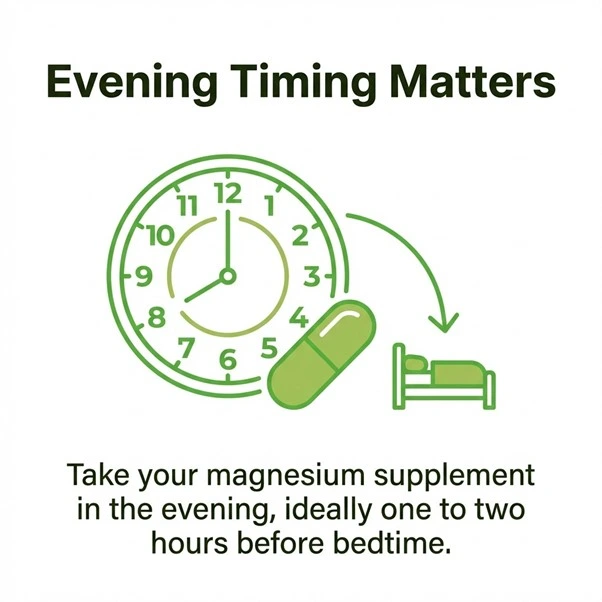
Take your magnesium supplement in the evening, ideally one to two hours before bedtime. This timing allows the magnesium to take effect as you’re preparing for sleep, when RLS symptoms typically worsen.
Start at the lower end of the dosage range, around 250 milligrams. This gives your body time to adjust and helps you assess tolerance.
Adjusting Your Dosage
After starting with 250 milligrams for one to two weeks, you can gradually increase if needed. Some people find relief at this initial dose, while others benefit from moving up to 350 or 400 milligrams.
Pay attention to both symptom improvement and side effects. If you experience loose stools or digestive upset, that’s a sign you may have exceeded your tolerance level.
Don’t exceed 400 milligrams from supplements without consulting a healthcare provider. The upper tolerable limit for supplemental magnesium is 350 milligrams for most adults, though magnesium ingested from food sources doesn’t count toward this limit.
Timing and Consistency
Consistency matters with magnesium supplementation. Take your supplement at roughly the same time each evening to maintain steady levels in your body.
Allow at least four to six weeks to evaluate effectiveness. Some people notice improvements quickly, but for others, the benefits build gradually as magnesium stores replenish.
If you’re taking other supplements or medications, space them out from magnesium. Some compounds can interfere with magnesium absorption or vice versa.
Magnesium-Rich Foods to Include in Your Diet

While supplements can help, getting magnesium from whole foods offers additional benefits. Food sources provide magnesium along with other nutrients that work synergistically to support nerve and muscle health.
Building a diet rich in magnesium-containing foods creates a foundation for better overall mineral status. This dietary approach supports not just RLS management but broader health as well.
Here are the best food sources to focus on.
- Dark Leafy Greens – Spinach, Swiss chard and kale provide significant amounts of magnesium.
- Nuts and Seeds – Pumpkin seeds, almonds, cashews and sunflower seeds pack substantial magnesium into small servings.
- Whole Grains – Brown rice, quinoa, whole wheat and oats over refined grain products.
- Legumes – Black beans, kidney bean and chickpeas provide both magnesium and protein.
- Dark Chocolate – Choose a high cocoa content (at least 70% cocoa) for maximum benefit.
Dietary Habits That Support Magnesium Absorption
Getting enough magnesium from food isn’t just about what you eat. How you eat matters too.
Limit excessive alcohol consumption. Alcohol increases magnesium excretion through urine, potentially creating or worsening deficiency.
Manage stress levels. Chronic stress depletes magnesium stores as your body uses more of the mineral to cope with stress hormones.
Stay hydrated, but don’t overdo it. Excessive water intake can increase magnesium loss through urine. Aim for balanced hydration based on your thirst and activity level.
Consider vitamin D status. Vitamin D helps regulate magnesium absorption and utilization. Learn more about vitamin D3 and K2 benefits and how these nutrients work together with magnesium.
Complementary Approaches for Managing RLS
Magnesium works best as part of a broader strategy for managing restless legs syndrome. Combining supplementation with lifestyle modifications and other supportive measures creates the most effective approach.
Think of magnesium as one tool in your RLS management toolkit rather than a standalone solution. Individual response varies significantly. Some people notice improvements within days, while others see gradual changes over weeks. There may be some instances where no difference is detected.
If you’re considering magnesium for RLS, it makes sense to try it for at least four to six weeks to assess whether it helps your specific symptoms.
Here are complementary strategies that work synergistically with magnesium supplementation.
Sleep Hygiene and Lifestyle Modifications
- Establish a consistent sleep schedule. Going to bed and waking up at the same time each day helps regulate your body’s internal clock and may reduce RLS symptom severity.
- Create a relaxing bedtime routine that signals to your body it’s time to wind down. This might include gentle stretching, reading, or taking a warm bath.
- Moderate exercise during the day can help reduce RLS symptoms at night. Avoid intense exercise close to bedtime though, as this may worsen symptoms.
- Limit caffeine and alcohol, especially in the evening. Both can trigger/increase RLS symptoms.
For more comprehensive guidance on sleep support, explore best vitamins for sleep and anxiety to understand how various nutrients work together.
Other Nutritional Considerations
Check your iron status. Iron deficiency is one of the most established causes of RLS. If your ferritin levels are low, iron supplementation under medical guidance may provide significant relief.
B vitamins play important roles in nerve health and neurotransmitter function. Consider benefits of vitamin B complex supplementation, especially if your diet is lacking in these nutrients.
Some people find that avoiding certain trigger foods helps reduce symptoms. Common triggers include foods high in refined sugars and processed ingredients.
Physical Therapies and Movement
- Regular leg stretches before bed can help reduce RLS symptoms. Focus on calf stretches, hamstring stretches, and gentle yoga poses that target the legs.
- Massage can provide temporary relief. Try self-massage of the legs or use a foam roller to release muscle tension.
- Hot or cold therapy works for some people. Experiment with warm baths, heating pads, or cold packs to see what provides relief for your symptoms.
- Walking or light movement when symptoms strike can interrupt the discomfort cycle. Sometimes just getting up and moving for a few minutes helps reset your nervous system.
When to Seek Professional Help
If your RLS symptoms significantly impact your quality of life despite lifestyle modifications and magnesium supplementation, consult a doctor. Severe RLS may require prescription medications that target dopamine function or other pathways. These treatments can be highly effective for people with moderate to severe symptoms.
Your doctor can also check for underlying conditions that may be contributing to your RLS, such as iron deficiency, kidney problems, or peripheral neuropathy.
Conclusion: Taking Action for Better Sleep
Magnesium offers a natural, accessible approach to managing restless legs syndrome for many people. Its effects on nerve regulation and muscle relaxation directly address some of the mechanisms behind RLS symptoms.
- Start with magnesium glycinate at 250 to 350 milligrams in the evening. Give it at least four to six weeks to assess whether it helps your specific symptoms.
- Build a foundation of magnesium-rich foods like leafy greens, nuts, seeds, and whole grains. This dietary approach supports not just RLS management but overall health and wellness.
- Combine magnesium with good sleep hygiene, stress management, and regular moderate exercise. Address any other nutritional deficiencies, particularly iron, that may be contributing to your symptoms.
- For additional support with muscle discomfort and recovery, explore muscle recovery supplements that complement magnesium’s effects.
If you’re experiencing RLS during menopause, you might find specific insights in our guide on magnesium for menopause and how hormonal changes affect mineral needs.
With patience and a thoughtful approach, you can find relief from restless legs and reclaim the restful sleep that’s so essential to your health and wellbeing.
Our Promise
When it comes to keeping you informed on health and nutrition, we’re here for you and aim to help where we can. If you would like to discuss any aspect of using natural supplements, or would find advice helpful, please feel free to contact us on 01297 553932