
Related Product
 Vitamin K2 MK7
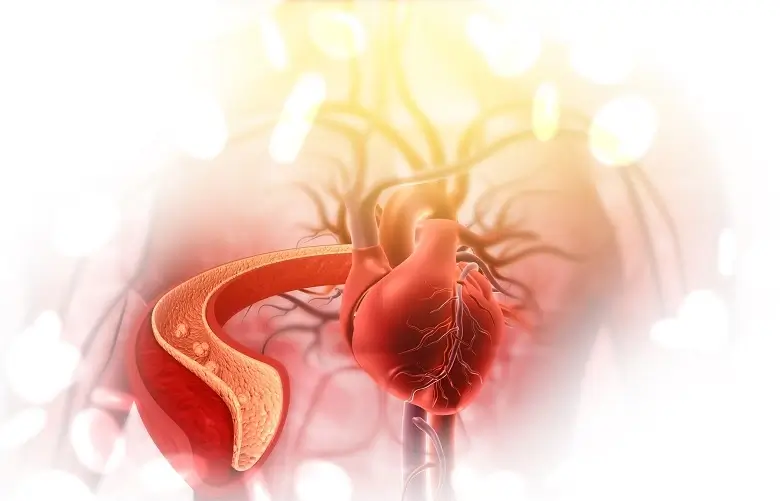
If you have been told that you have high cholesterol or are concerned about your heart health, you may have wondered whether changing your diet or taking relevant supplements could help keep your arteries healthier.
It’s important to start with one key fact: no food or supplement can simply dissolve or ‘flush away’ established plaque from the arteries.
Vascular calcification, where calcium hardens within the artery wall, can be measured non-invasively by a coronary artery calcium (CAC) CT scan as reported by the British Heart Foundation.
However, that does not mean there is nothing you can do. Diet, lifestyle, cholesterol management and carefully chosen supplements all play a part in supporting cardiovascular health and reducing some of the factors that encourage atherosclerosis to progress.
Certain nutrients, including omega-3 fatty acids and vitamin K2, have attracted particular research interest. Others may help by improving cholesterol levels, reducing oxidative stress or supporting healthy blood-vessel function.
Where cardiovascular disease is already present, prescribed treatments such as statins, ezetimibe and PCSK9 inhibitors have a much stronger evidence base for reducing cardiovascular risk and, in some circumstances, stabilising or reducing plaque. Supplements should therefore be viewed as supportive rather than as replacements for prescribed treatment.
What Is Arterial Plaque and How Does It Form?
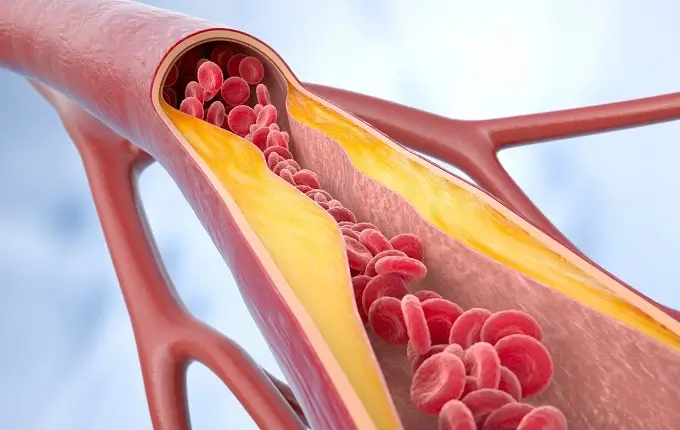
Arterial plaque is a build-up of fatty material, cholesterol, inflammatory cells and other substances within the walls of an artery. The gradual process is known as atherosclerosis.
It often begins when LDL cholesterol – sometimes referred to as ‘bad’ cholesterol – enters the artery wall. When these cholesterol particles become altered or oxidised, the immune system reacts as though something needs to be cleared away.
White blood cells move into the area and absorb the cholesterol. Over time, these cholesterol-filled cells can collect together, creating the early stages of a plaque.
As the process continues, the plaque becomes larger and develops a fibrous covering. Some plaques gradually harden as calcium is deposited within them, while others remain softer and more inflamed.
Why does this matter?
A plaque doesn’t necessarily have to completely block an artery to cause problems. If an unstable plaque ruptures, the body may form a blood clot around it. That clot can suddenly restrict the blood supply and potentially cause a heart attack or stroke.
This is why managing cholesterol, blood pressure, inflammation, blood sugar and other cardiovascular risk factors is so important.
For an overview of how cholesterol contributes to cardiovascular risk, see our guide to high cholesterol and cardiovascular health.
What Is Vascular Calcification?
You may also have heard the term vascular calcification. Although closely connected with atherosclerosis, it is not quite the same thing.
Vascular calcification happens when calcium is deposited within the walls of blood vessels or within existing plaques. Over time, this can make arteries stiffer and less flexible.
Doctors can sometimes assess calcium within the coronary arteries using a specialised CT scan called a coronary artery calcium (CAC) scan. The result is usually expressed as a calcium or Agatston score. In general, a higher score indicates a greater burden of coronary artery calcification and therefore a higher likelihood of coronary artery disease.
If you are concerned about your cardiovascular risk or have been given a calcium score that you do not understand, your GP or cardiovascular specialist can help put the result into context alongside factors such as your age, cholesterol, blood pressure, family history and general health.
Where Does Vitamin K2 Fit In?
One nutrient which has attracted scientific attention for preventing vascular calcification is vitamin K2, specifically the MK-7 form. Research published in a 2025 review found that vitamin K2 as MK-7 can slow the progression of vascular calcification and improve arterial elasticity. It does this by activating Matrix Gla Protein (MGP), a calcium-binding protein which prevents calcium from depositing in soft tissue. Without adequate K2, MGP remains inactive and calcium deposits accumulate in the artery wall rather than being directed to bone. You can read more about how this works in our guide to the benefits of vitamin K2.
The MK-7 form of vitamin K2 has been particularly well studied because it remains available in the body for relatively long periods. Some research suggests that K2 supplementation may have a role in supporting arterial flexibility and healthy calcium metabolism, although considerably more research is still needed before we can say that it prevents or reverses cardiovascular disease.
Food sources of vitamin K2 include fermented foods such as natto, as well as certain cheeses and egg yolks.
Can You Remove Calcium Deposits From The Arteries Naturally?
Unfortunately, claims that a food, supplement or detox can ‘unclog’ arteries should be treated with caution.
Once substantial calcium has been deposited within an artery, there is no proven nutritional supplement that simply dissolves it.
Soft atherosclerotic plaque is a little different. Research has shown that intensive lowering of LDL cholesterol — particularly with prescribed cholesterol-lowering medication — can help stabilise plaque and, in some people, lead to a degree of plaque regression.
For example, the GLAGOV trial reviewed on PubMed, found that adding the PCSK9 inhibitor evolocumab to statin therapy produced a small but measurable regression in coronary atherosclerotic plaque compared with statin therapy alone. This does not mean that plaque can be rapidly cleaned out, but it does show why intensive, evidence-based cholesterol management matters.
Even when plaque does not disappear, making it more stable is extremely valuable because a stable plaque is generally less likely to rupture and trigger a heart attack or stroke.
Treatments including statins, ezetimibe and PCSK9 inhibitors have the strongest clinical evidence in this area and have also been shown to reduce cardiovascular events. The 2019 European Society of Cardiology and European Atherosclerosis Society guidelines provide further information on LDL cholesterol targets and treatment options.
It is therefore useful to think less about ‘cleaning’ the arteries and more about creating an environment in which plaque is less likely to develop, grow or become unstable.
It is also worth being cautious about alternative treatments claiming to physically remove plaque. EDTA chelation therapy, for example, has been promoted for this purpose, but research has not established it as an effective method of clearing atherosclerosis. The TACT trial found some possible benefits in selected patients, but chelation is not a routine treatment for arterial plaque and should only be considered under specialist medical supervision.
Nutrients to Support Arterial Health
Although supplements cannot replace medical treatment, several nutrients are of interest because they may influence cholesterol, triglycerides, oxidative stress, inflammation or calcium metabolism.
Vitamin K2 (MK-7)
As we have seen, vitamin K2 helps activate Matrix Gla Protein, which is involved in regulating calcium deposition.
The MK-7 form has been the subject of research into vascular calcification and arterial stiffness. Results are interesting, but it is more accurate to describe K2 as a nutrient that may support healthy calcium metabolism rather than one that removes calcium already deposited in the arteries.
At present, evidence from human trials is limited and mixed. Vitamin K2 may be relevant to vascular health, but it should not be marketed or used as a proven treatment for coronary artery calcification.
Vitamin K2 is also closely connected with vitamin D, as both play roles in calcium metabolism. You can explore this further in our article about vitamin D3 and K2 combined benefits.
Anyone taking warfarin should seek medical advice before taking a vitamin K supplement because vitamin K can interfere with the way warfarin works.
Omega-3 Fatty Acids — EPA and DHA
The long-chain omega-3 fatty acids EPA and DHA are mainly found in oily fish.
They are particularly well known for their ability to reduce raised triglyceride levels. Research also suggests beneficial effects on inflammation and blood-vessel function.
Good dietary sources include:
- Salmon
- Sardines
- Mackerel
- Herring
Plant foods such as walnuts and flaxseed contain another omega-3 fatty acid called ALA. The body can convert some ALA into EPA and DHA, although the conversion is relatively limited.
People who eat little or no fish may choose a fish-oil or algae-based omega-3 supplement instead.
You can explore our omega-3 supplement option for more information.
Coenzyme Q10 (CoQ10)
Coenzyme Q10 is a naturally occurring substance involved in energy production within our cells. It also acts as an antioxidant and researchers have been investigating whether this may help reduce oxidative damage to LDL particles. This matters because LDL which becomes oxidised can contribute to inflammation within artery walls which can lead to the development of atherosclerosis. However, this does not mean that CoQ10 makes high LDL cholesterol harmless, and controlling raised LDL remains an important part of cardiovascular health.
Statin treatment can lower circulating levels of CoQ10, which is one reason CoQ10 supplements are sometimes discussed by people taking statins. However, CoQ10 supplementation is not a substitute for statin therapy, and evidence for routine cardiovascular use remains mixed.
Some people take CoQ10 when experiencing muscle symptoms while using statins, but clinical trials have not consistently shown that it prevents or treats statin-associated muscle symptoms. Anyone experiencing unexplained muscle pain, weakness or dark urine while taking a statin should contact their healthcare professional rather than stopping treatment or self-treating.
Ubiquinol is the reduced form of CoQ10 and is often used in supplements because it is readily absorbed.
Foods That Help Support Healthy Arteries
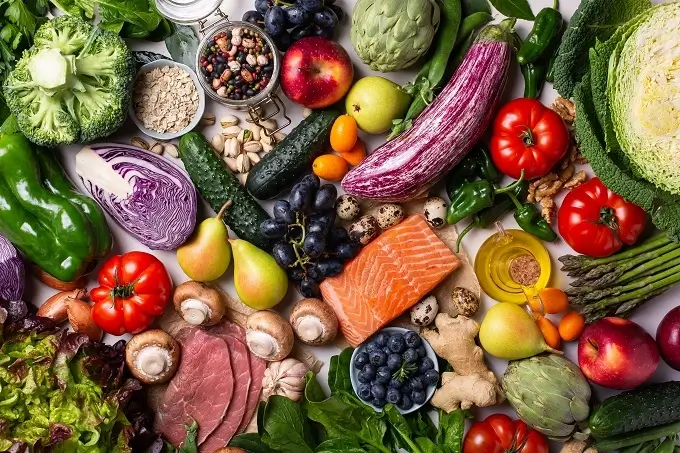
Supplements tend to attract plenty of attention, but everyday food choices are often an important starting point.
A heart-friendly diet does not need to be complicated. In fact, many of the most useful foods will already be familiar.
Oily Fish
Salmon, sardines, mackerel and herring provide EPA and DHA directly.
Including fish regularly as part of a varied diet is a simple way of increasing omega-3 intake while also providing high-quality protein and other useful nutrients.
Garlic
Garlic contains a number of plant compounds, including sulphur-containing compounds that are currently being studied for their potential effects on cholesterol, inflammation and blood-vessel health.
Aged garlic extract has also been investigated in clinical studies, including research looking at coronary artery calcification. In a placebo-controlled, double blind, randomised trial conducted between the years 2005 and 2007, aged garlic extract was combined with vitamin B12, folic acid and vitamin B6 and the trial concluded that the supplementation had significantly reduced the progression of atherosclerosis.
For most of us, however, adding fresh garlic to meals is an easy and delicious habit — and certainly one of the more enjoyable ways to support a Mediterranean-style diet.
Berries and Other Colourful Fruits
Blueberries, blackcurrants, raspberries and strawberries are particularly rich in plant compounds called flavonoids.
These antioxidants may help protect LDL cholesterol from oxidation and support the production of nitric oxide, a substance that helps blood vessels relax and maintain healthy blood flow.
A handful of mixed berries added to breakfast or enjoyed as a snack can be a very simple addition to a heart-friendly eating pattern.
Leafy Green Vegetables
Spinach, rocket, watercress and other leafy greens provide natural dietary nitrates.
The body can convert these into nitric oxide, which helps blood vessels widen and relax. This can support healthy blood pressure and normal vascular function.
Try adding a handful of leafy greens to salads, soups, sandwiches or cooked meals.
Oats and Soluble Fibre
Oats contain a particularly useful soluble fibre called beta-glucan.
Beta-glucan helps reduce cholesterol absorption within the digestive system and, when eaten regularly in sufficient quantities, can contribute to lower LDL cholesterol. Clinical trials and meta-analyses support the cholesterol-lowering effect of consuming adequate amounts of oat beta-glucan as part of a balanced diet.
Barley is another useful source of beta-glucan.
Think Mediterranean
Individual foods matter, but the overall dietary pattern matters more. The Mediterranean diet, built around vegetables, fruits, whole grains, oily fish, olive oil, and legumes, has been repeatedly associated with reductions in LDL cholesterol, improved cardiometabolic markers, and lower rates of cardiovascular events. This is highlighted in a 2025 review in PMC covering Mediterranean diet and cardiovascular outcomes. Olive oil polyphenols specifically inhibit LDL oxidation which directly targets one of the earliest steps in atherosclerosis.
So rather than concentrating on individual ‘heart-health’ foods, it may prove worthwhile to look at your whole dietary pattern. The Mediterranean diet has consistently been associated with better cardiovascular health, and findings from the PREDIMED trial, show that a Mediterranean diet supplemented with extra virgin olive oil or nuts reduced major cardiovascular events in people at high cardiovascular risk compared with a reduced-fat control diet.
The Mediterranean diet centres around foods such as:
- Plenty of vegetables
- Fruit
- Beans and lentils
- Whole grains
- Nuts and seeds
- Extra virgin olive oil
- Fish and seafood
- Smaller quantities of meat and highly processed foods
Extra virgin olive oil also contains polyphenols — plant compounds with antioxidant properties that may help protect LDL cholesterol from oxidative damage.
The strength of a Mediterranean diet is not any one magical ingredient. It is the combination of many beneficial foods eaten regularly over time.
Other Supplements Being Studied for Cardiovascular Health
A number of plant extracts and supplements have generated interest in relation to cholesterol and blood-vessel health.
The evidence varies considerably, so they are best regarded as possible additions rather than primary treatments.
Berberine
Berberine is a naturally occurring plant compound found in plants including barberry.
Studies suggest that it may influence several pathways involved in glucose and cholesterol metabolism and may help lower LDL cholesterol in some people. However, many studies have been relatively small, short-term or methodologically limited, and berberine does not have the same cardiovascular-outcome evidence as statins.
One proposed mechanism involves PCSK9, a protein involved in controlling the number of LDL receptors on liver cells. More LDL receptors allow the liver to remove more LDL cholesterol from the bloodstream.
However, berberine can also interact with medicines because it affects enzymes involved in drug metabolism.
If you take prescription medication, particularly cardiovascular or diabetes medication, check with your GP or pharmacist before using berberine.
Bergamot
The bergamot orange is a citrus fruit grown particularly in southern Italy.
Bergamot polyphenol extract, derived from the bergamot orange, has been investigated for its possible effects on cholesterol and other metabolic markers. Some trials have produced promising results, but studies have generally been fairly small and have focused mainly on laboratory markers rather than heart attacks, strokes or plaque progression.
More research is needed before firm conclusions can be drawn.
Nattokinase
The fermentation of soybeans produces an enzyme called nattokinase (NK) which is used to make the traditional Japanese food known as natto.
This enzyme has attracted research interest because of its effects on fibrin, a protein involved in blood clotting. NK has been found to have the potential to directly dissolve fibrin blood clots and enhance the body’s natural thrombolysis.
Emerging research has also revealed such benefits as improved blood flow and mild blood pressure reduction as well as potential for neuroprotective properties, making it of interest in research on Alzheimer’s disease. It’s possible benefits across cardiovascular, metabolic and neurological functions is attracting ongoing research to verify the potential of this food-derived enzyme.
If you are taking anticoagulants or antiplatelet medicines you avoid the use of nattokinase without professional medical advice as it may affect blood clotting.
You can find more information in our guide to proteolytioc enzymes.
Pine Bark Extract
Pine bark extract contains antioxidant plant compounds known as proanthocyanidins
These compounds have been investigated for their potential effects on circulation, nitric oxide production and oxidative stress. Evidence for its role in cardiovascular health includes improvements in nitric oxide production and reductions in LDL oxidation.
You can read more in our guide to the benefits of pine bark extract.
Lifestyle Changes Matter Too
In addition to a healthy diet, there are other powerful ways of protecting cardiovascular health.

Keep Moving
Regular physical activity benefits the cardiovascular system in numerous ways. It can help improve blood pressure, blood sugar control, cholesterol and the way your blood vessels function.
Some studies have also investigated higher-intensity exercise and changes in atherosclerotic plaque. However, exercise should be prescribed sensibly, particularly for people with known coronary artery disease.
This does not mean that everyone needs to take up vigorous exercise. The most appropriate form and intensity of exercise will depend on age, fitness, mobility and any existing medical conditions.
Walking, swimming, cycling and other moderate activities can all be valuable. The important thing is finding a form of regular movement that is suitable and sustainable for you.
If you already have heart disease or have been inactive for a long time, speak to a healthcare professional before starting vigorous exercise.
Get Help to Stop Smoking
Smoking damages the delicate lining of blood vessels, increases inflammation and contributes to the development of cardiovascular disease.
Stopping smoking is therefore one of the most powerful steps a smoker can take to protect their heart and arteries.
It is not always easy, and there is no need to do it without support. Your GP, pharmacist or NHS stop-smoking service can help with practical support and treatments.
Look After Stress and Sleep
Long-term stress can influence blood pressure, sleep, food choices and many other aspects of cardiovascular health.
Finding ways to regularly switch off can therefore be surprisingly important.
There is no single ‘correct’ way to reduce stress. A walk, gardening, breathing exercises, listening to music, spending time with friends or simply getting enough good-quality sleep can all help.
Keep an Eye on Blood Sugar
Persistently high blood glucose can damage blood vessels and increase cardiovascular risk.
A diet based largely around minimally processed foods, vegetables, fibre-rich carbohydrates, good-quality proteins and healthy fats can help support more stable blood glucose levels.
For anyone with diabetes or pre-diabetes, appropriate medical management is especially important.
Supplements and Medicines: Important Safety Considerations
Natural does not automatically mean risk-free. Supplements contain biologically active substances, which means some can interact with prescribed medicines.
A few particularly important examples include:
- Vitamin K2: can interfere with warfarin and affect anticoagulation control.
- Nattokinase: may increase bleeding risk when combined with blood-thinning medicines.
- Berberine: may interact with a wide range of medicines because it can affect the way the body metabolises certain drugs.
- High-dose omega-3 supplements: may influence blood clotting and should be discussed with a healthcare professional if you take anticoagulants.
- CoQ10: may have a mild blood-pressure-lowering effect and may interact with some medications.
If you have cardiovascular disease or take regular prescribed medication, it is always sensible to show your GP or pharmacist the exact supplement and dose you are considering.
That way, supplements can complement your healthcare rather than accidentally interfering with it.
Cholesterol: What Do the Numbers Mean?
When we talk about arterial plaque, LDL cholesterol is particularly important.
LDL carries cholesterol around the bloodstream. Having a persistently high concentration of LDL increases the chance that cholesterol will enter artery walls and contribute to atherosclerosis.
Your doctor will usually consider your cholesterol results alongside your overall cardiovascular risk rather than looking at any one number in isolation.
What About HDL?
HDL cholesterol tells a different story. Higher HDL is protective. HDL particles carry cholesterol away from the artery wall back to the liver for clearance, a process called reverse cholesterol transport. Exercise helps greatly in raising HDL, while smoking lowers it significantly. For this reason, HDL is often called ‘good’ cholesterol.
However, the relationship between HDL and cardiovascular risk is more complicated than simply saying that ‘the higher the better’. Modern cardiovascular treatment focuses much more strongly on reducing raised LDL cholesterol and controlling overall cardiovascular risk. The connection between high cholesterol and other symptoms is worth reading if you want to understand the broader cardiovascular picture.
And Triglycerides?
Triglycerides are another type of fat carried in the blood. High triglyceride levels can be associated with increased cardiovascular risk, particularly when combined with other metabolic problems such as diabetes, excess weight or low HDL cholesterol.
Omega-3 fatty acids are particularly effective at lowering raised triglycerides, although therapeutic doses should be discussed with a healthcare professional.
You can also read our article about high cholesterol and cardiovascular health for a wider look at the subject.
Frequently Asked Questions
Can Vitamin K2 Reverse Calcification in Arteries?
There is interest in vitamin K2, particularly MK-7, because of its role in activating proteins involved in healthy calcium metabolism.
Some studies suggest it may influence measures of vascular calcification or arterial stiffness, but there is currently no good evidence that taking vitamin K2 can simply reverse established calcium deposits in the arteries.
Do Omega-3 Supplements Reduce Arterial Plaque?
EPA and DHA can lower triglycerides and may have beneficial effects on inflammation and cardiovascular function.
They should be thought of as supporting cardiovascular health rather than directly dissolving arterial plaque. Prescription omega-3 products may be appropriate for selected people with high triglycerides, but this is different from using an ordinary supplement to treat atherosclerosis.
Is Garlic Good for Artery Health?
Garlic is a useful part of a healthy diet and may have modest beneficial effects on cholesterol and other cardiovascular markers.
Aged garlic extract has also been studied for its effects on cardiovascular health, including coronary artery calcification, although it should not be regarded as a treatment for established atherosclerosis.
Using garlic in cooking is a good way to harness its health benefits. A tip to help preserve garlic’s allicin activity is to crush it and let it sit for a few minutes before adding heat. Aged garlic extract supplements are available if you prefer a more concentrated form without the aroma.
Which Lifestyle Changes Make the Biggest Difference?
There is no single magic change, but some of the most important measures are:
- Not smoking
- Managing raised LDL cholesterol
- Keeping blood pressure under control
- Being physically active
- Managing diabetes or high blood sugar
- Following a predominantly heart-healthy dietary pattern
For people at higher cardiovascular risk, appropriate prescribed medication can also make a substantial difference.
Should I Take Supplements Instead of Statins?
No.
If your doctor has recommended a statin or another cholesterol-lowering medicine because of your cardiovascular risk, a supplement should not be used as a replacement.
Statins and other prescribed lipid-lowering treatments have a much stronger body of evidence showing that they reduce the risk of heart attacks and strokes.
Supplements have a useful supporting role, but it is best to discuss them with your GP or pharmacist alongside any prescribed treatment.
Summing Up
When it comes to protecting your arteries, there is no miracle ingredient that can simply wash plaque away.
The encouraging news is that there are plenty of positive steps you can take.
A Mediterranean-style diet rich in vegetables, berries and other fruits, whole grains, pulses, nuts, extra virgin olive oil and oily fish provide an excellent foundation. Regular movement, not smoking, keeping blood pressure and blood sugar well controlled, and addressing raised LDL cholesterol are all important too.
Certain supplements may provide additional support. Omega-3 fatty acids have particularly good evidence for reducing raised triglycerides, while vitamin K2 is being studied for its role in calcium metabolism and vascular health. CoQ10, bergamot, berberine, garlic extracts and other compounds are also areas of ongoing research.
The key is to see supplements as one small part of the bigger cardiovascular-health picture, rather than as an alternative to a balanced diet, healthy lifestyle or necessary medical treatment.
If you already have cardiovascular disease, high cholesterol or take prescribed medication, a conversation with your GP or pharmacist is always a sensible place to begin.
Related Products
Our Promise
When it comes to keeping you informed on health and nutrition, we’re here for you and aim to help where we can. If you would like to discuss any aspect of using natural supplements, or would find advice helpful, please feel free to contact us on 01297 553932
Disclaimer: This article is for informational purposes only and does not constitute medical advice. Always consult your GP or a qualified healthcare professional before starting any new supplement regimen, particularly if you have a diagnosed cardiovascular condition or are taking prescribed medication.