
Related Product
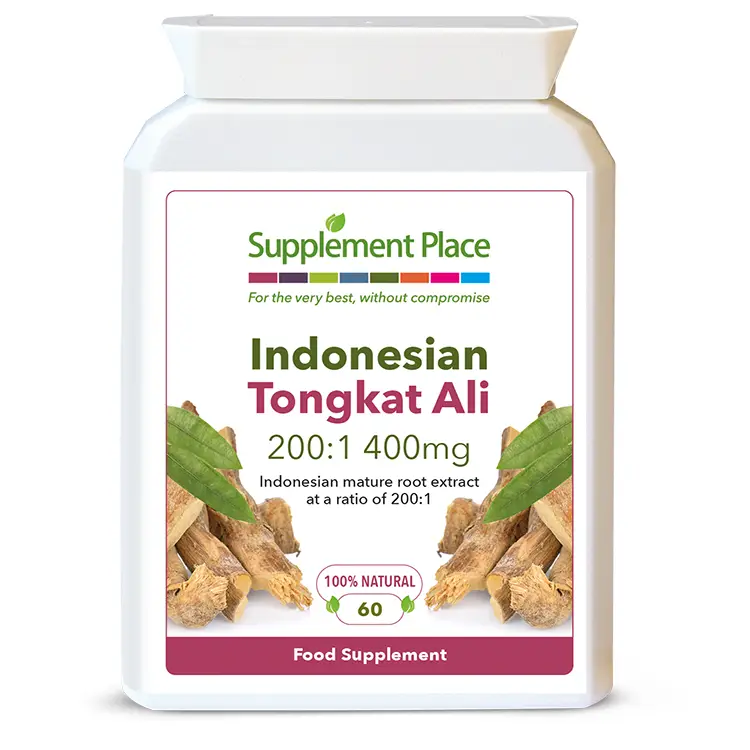 Tongkat Ali 200:1 Pure Root Extract (Indonesian)
Could hormone levels be the cause of your hair loss? This question troubles many men as they notice their hairline receding or their crown thinning. The relationship between testosterone and hair loss is complex, with many misconceptions circulating both online and in general conversation. In this blog we examine the evidence and provide clarity on how testosterone affects your hair.
Understanding the Relationship Between Testosterone and Hair Loss
Testosterone plays a key role in male development. This hormone influences many bodily functions including muscle growth, bone density, sex drive, and yes, hair growth. Many people assume low testosterone directly causes baldness. This common belief isn’t entirely accurate.
The relationship is more complex than it appears. Testosterone itself isn’t the direct culprit in hair loss. Instead, a derivative of testosterone called dihydrotestosterone (DHT) typically causes the problem. Understanding this distinction helps clarify why some men with high testosterone still lose hair.
What is Testosterone?
Testosterone is the primary male sex hormone, and it belongs to a class of hormones called androgens. The body produces testosterone mainly in the testes, with small amounts coming from the adrenal glands. This hormone peaks during adolescence and early adulthood.
Healthy testosterone levels support various bodily functions. These include muscle and bone development, sex drive, sperm production, and hair growth throughout the body. Levels naturally decline with age, typically at a rate of about 1% per year after age 30.
As testosterone levels change with age, many men notice differences in their hair growth patterns.
The Testosterone-DHT Connection
The key to understanding hair loss lies in dihydrotestosterone (DHT). Testosterone converts to DHT through an enzyme called 5-alpha reductase. This enzyme lives in the oil glands of hair follicles. DHT binds to receptors in the hair follicles of the scalp.
DHT affects hair follicles differently depending on their location. Scalp follicles may shrink when exposed to DHT. Interestingly, facial and body hair often grows thicker with DHT exposure. This explains why many balding men can still grow full beards.
The process works this way: testosterone → 5-alpha reductase enzyme → DHT → binds to follicle receptors → follicle miniaturisation → hair thinning and loss. This chain reaction only affects people with genetic sensitivity to DHT.
How Common is Male Hair Loss?
Hair loss affects millions of men worldwide. The prevalence increases with age, making it a nearly universal experience for aging men. Understanding the statistics helps put individual experiences into perspective.
Over 95% of hair loss in men is caused by androgenetic alopecia, commonly known as male pattern baldness. This condition follows a predictable pattern, typically starting at the temples or crown.
Age-Related Hair Loss Statistics
Hair loss becomes increasingly common as men age. By age 35, many men will experience some degree of noticeable hair loss, and this percentage continues to rise with each decade.
The progression often follows this pattern:
| Age Group | Percentage Experiencing Hair Loss | Typical Pattern |
| 20s | 20% | Slight recession at temples |
| 30s | 30% | Continued recession, some crown thinning |
| 40s | 40% | More pronounced recession, noticeable crown thinning |
| 50+ | 50%+ | Significant hair thinning or baldness in susceptible areas |
Around 25% of men with male pattern baldness begin losing their hair before age 21. Those who do experience early balding often experience more severe hair loss throughout their lifetime.
By age 50, approximately 85% of men will have significantly thinning hair. This makes hair loss one of the most common conditions affecting men.
The Science Behind Testosterone and Hair Loss
The biological mechanisms of hair loss involve complex interactions. Androgens like testosterone and DHT work with genetic factors to create the conditions for hair loss. Understanding this science helps explain why treatments work.
The Role of DHT in Hair Loss
DHT causes hair follicle shrinkage and smaller follicles produce thinner, shorter, and less pigmented hairs. Eventually, these follicles stop producing hair altogether.
The term ‘androgenetic alopecia’ contains important clues. ‘Andro’ refers to androgens (testosterone, dihydrotestosterone) necessary to produce male-pattern hair loss, while ‘genetic’ refers to the inherited gene necessary for the condition to occur.) Both elements must be present for baldness to develop.
In men who develop male pattern baldness, hair loss may begin any time after puberty when blood levels of androgens rise. This explains why some men start losing hair in their late teens or early twenties.
Genetic Factors in Hair Loss
Genetics determine your sensitivity to DHT. Some men have hair follicles that are highly sensitive to even small amounts of DHT. Others have follicles that are more resistant to this hormone.
Androgenetic alopecia may also affect women. The condition runs in families and follows specific inheritance patterns.
Those who begin losing hair in their second decade typically experience the most severe hair loss. Early onset often indicates strong genetic factors and may predict more extensive baldness.
Hair loss patterns are also hereditary. The classic “M” shaped recession follows a predictable pattern. Approximately 96% of mature Caucasian men show temporal area recession. This pattern is less common in Asian and African populations.
Low Testosterone vs. High DHT
Many people confuse low testosterone with high DHT levels. They represent different conditions. Understanding this distinction helps clarify why hair loss occurs.
Low testosterone (hypogonadism) means the body produces insufficient testosterone. This condition can cause various symptoms. These include reduced sex drive, fatigue, mood changes, and reduced muscle mass. Low testosterone doesn’t directly cause typical male pattern baldness.
The paradox lies in DHT production. Even men with low testosterone can have high DHT levels. The 5-alpha reductase enzyme can still convert available testosterone to DHT efficiently. This explains why men with low testosterone still lose their hair.
The following table compares these two hormonal conditions:
| Aspect | Low Testosterone | High DHT |
| Definition | Insufficient production of testosterone | Excessive conversion of testosterone to DHT |
| Primary Symptoms | Fatigue, low libido, mood changes, reduced muscle mass | Hair thinning on scalp, increased body/facial hair |
| Effect on Hair | Possible overall thinning due to poor hair health | Pattern baldness in genetically susceptible areas |
| Related to Pattern Baldness | Indirectly | Directly |
This distinction explains why some treatments target DHT specifically. Blocking DHT production or action at the follicle level addresses the direct cause of pattern hair loss.
Signs of Low Testosterone and Hair Loss
Identifying the cause of hair loss requires understanding various symptoms. Low testosterone and DHT-related hair loss present differently. Recognising these patterns helps determine appropriate treatments.
Common signs of low testosterone include:
- Reduced sex drive and erectile dysfunction.
- Fatigue and low energy levels.
- Decreased muscle mass and increased body fat.
- Mood changes, including irritability or depression.
- Poor concentration and memory issues.
DHT-related hair loss typically shows these characteristics:
- Recession at the temples forming an “M” pattern.
- Thinning at the crown/vertex of the scalp.
- Gradual progression following a predictable pattern.
- Hair miniaturisation (thinner, shorter hairs).
- Retention of hair on the sides and back of the head.
The timing and pattern of hair loss provide important clues. Sudden, patchy hair loss most probably has different causes. Gradual recession following family patterns suggests androgenetic alopecia.
When experiencing hair loss alongside other health symptoms, consider how low testosterone affects your overall health beyond just hair loss. The condition may require comprehensive treatment.
Natural Ways to Support Healthy Testosterone Levels

Diet and lifestyle significantly impact hormone levels. Natural approaches may help maintain healthy testosterone balance. These strategies support overall health while potentially slowing hair loss.
Dietary Approaches
What you eat affects your hormones. Certain nutrients specifically support testosterone production. Include these foods regularly for hormone health.
The following foods may support healthy testosterone levels:
| Food Category | Specific Examples | Beneficial Nutrients |
| Protein Sources | Eggs, grass-fed beef, wild-caught fish | D-aspartic acid, zinc, omega-3 fatty acids |
| Healthy Fats | Avocados, extra virgin olive oil, nuts | Monounsaturated fats, vitamin E |
| Cruciferous Vegetables | Broccoli, cauliflower, cabbage | Indole-3-carbinol (reduces oestrogen) |
| Zinc-Rich Foods | Oysters, pumpkin seeds, crab | Zinc (essential for testosterone production) |
| Magnesium-Rich Foods | Dark chocolate, spinach, almonds | Magnesium (supports testosterone production) |
Vitamin D also plays a crucial role in testosterone production. Spending time in the sun and consuming vitamin D-rich foods like fatty fish and egg yolks can help maintain optimal levels.
Healthy testosterone levels are crucial for male fertility, making this hormone important for reproductive health beyond just hair concerns.
Lifestyle Changes
Daily habits significantly impact hormone levels. Consider these lifestyle factors that affect testosterone:
- Exercise – Particularly strength training and high-intensity interval training.
- Sleep – Aim for 7-9 hours of quality sleep nightly.
- Stress management – Chronic stress raises cortisol and lowers testosterone.
- Weight management – Excess body fat increases oestrogen production.
- Limiting alcohol – Excessive drinking can lower testosterone levels.
Regular exercise stands out as particularly effective. Research shows that both resistance training and high-intensity interval training can boost testosterone levels. Even short, intense workouts produce benefits.
Sleep quality directly affects morning testosterone levels. Poor sleep or sleep apnoea can significantly reduce testosterone production. Prioritise sleep hygiene and address any sleep disorders.
Stress management techniques like meditation, deep breathing, or yoga may help balance hormones. These practices reduce cortisol, which competes with testosterone production pathways.
In the same way that ashwagandha can help increase testosterone through its adaptogenic properties, other stress-reducing herbs may offer benefits for hormone balance.
Products to Boost Testosterone

Certain natural products have been the subject of trials and studies to assess their ability to boost testosterone levels. The following have been highlighted in a systematic review to examine the effects of herbs on testosterone concentrations in men.
Ashwagandha
A natural adaptogenic herb, clinical trials with ashwagandha consistently show increases in testosterone. They also show improved muscle strength and reduced body fat in men, particularly when taken in conjunction with a training regime.
Fenugreek
Studies have reported increases in bioavailable testosterone, although overall testosterone increases showed inconsistent results. One randomised study showed strength gains and body fat reduction but lacked evidence of significant differences compared to placebo group.
Tongkat Ali (Eurycoma longifolia)
Studies have found improvement in testosterone in over 90% of men with low levels after one month. A systematic review and meta-analysis of clinical trials concludes the possibility of clinical use of E.longifolia as a safe, therapeutic option of enhancing testosterone production, particularly for patients with hypogonadism.
Vitamin D
Sufficiently high levels of vitamin D are generally associated with a healthy sperm count. Supplementing with vitamin D in men who are deficient in the vitamin has been found to raise testosterone slightly, though not to a great extent. In instances where the sperm count is low it has been found that supplementation vitamin D may be helpful.
Zinc
Zinc deficiency is linked to low testosterone and supplementation is known to restore normal levels as well as boosting FSH (follicle-stimulating hormone), which also helps testosterone production. Zinc is also known to improve sperm motility.
Magnesium
Magnesium increases testosterone due to properties which prevent SHBG (sex hormone-binding globulin) from binding to testosterone, resulting in a boost of free testosterone.
Medical Treatments for Hair Loss Related to Hormones
When natural approaches aren’t enough, medical treatments can help. These options target different aspects of the hair loss process. Some focus specifically on DHT.
Common medical treatments include:
- Finasteride – Blocks the 5-alpha reductase enzyme that converts testosterone to DHT.
- Minoxidil – Topical solution that improves blood flow to follicles and extends growth phase.
- Low-level laser therapy – Light treatments that stimulate follicle activity.
- Platelet-rich plasma (PRP) – Injections of concentrated platelets to stimulate growth.
- Hair transplantation – Surgical movement of DHT-resistant follicles to balding areas.
Finasteride specifically targets the testosterone-DHT pathway. It can reduce DHT levels by up to 70%. This makes it especially effective for male pattern baldness. Side effects may include sexual dysfunction in some men.
Testosterone replacement therapy (TRT) helps men with clinically low testosterone. However, it rarely improves male pattern baldness. In fact, it may worsen hair loss in men genetically predisposed to baldness by providing more testosterone for conversion to dihydrotestosterone (DHT).
The science of hormonal changes in ageing men helps explain why some treatments work better at different life stages. Treatment effectiveness often depends on age, hair loss progression, and hormone status.
A combination approach often works best. Many men use both DHT blockers and growth stimulators like minoxidil. This targets multiple aspects of the hair loss process simultaneously.
If you are keen to follow a more natural route to avoid hair thinning, the supplement Saw Palmetto, sometimes known as American dwarf palm, may prove a good alternative to pharmaceutical products.
Saw Palmetto is traditionally used for boosting prostate health but there is strong evidence that it may block the 5-alpha reductase enzyme which converts testosterone into DHT. As excess DHT is a major factor in pattern baldness, this supplement may help slow hair thinning.
Myths About Testosterone and Hair Loss
Misinformation about hair loss abound. These myths can lead to ineffective treatments or unnecessary worry. Let’s examine common misconceptions.
The table below addresses prevalent myths about testosterone and hair loss:
| Myth | Reality | Explanation |
| ‘Low testosterone causes baldness’ | Mostly False | DHT (converted from testosterone) typically causes male pattern baldness, not low testosterone itself |
| ‘High testosterone always causes baldness’ | False | Only men with genetic sensitivity to DHT experience pattern baldness, regardless of testosterone levels |
| ‘Wearing hats accelerates baldness’ | False | No scientific evidence supports this; hats don’t affect hormone levels or blood flow significantly |
| ‘Baldness comes from the mother’s side’ | Partially True | Genetics from both parents contribute, though the primary baldness gene is on the X chromosome from the mother |
| ‘Frequent ejaculation lowers testosterone and causes hair loss’ | False | Temporary fluctuations in testosterone from ejaculation don’t significantly impact hair loss |
Understanding the real science helps dispel these myths. Testosterone itself isn’t the enemy. The interaction between DHT and genetically susceptible follicles causes typical male pattern baldness.
Many balding men have normal or high testosterone levels. Their hair loss stems from genetic sensitivity to DHT, not hormone imbalance.
Lifestyle factors often get blamed incorrectly. Exercise, sexual activity, and diet choices rarely cause significant hair loss directly. They may slightly influence hormone levels but rarely enough to affect hair.
When to See a Doctor
While some hair loss is normal, certain situations warrant medical attention. Consult a healthcare provider if you experience:
- Sudden or patchy hair loss that doesn’t follow typical patterns.
- Hair loss accompanied by scalp pain, itching, or severe dandruff.
- Hair breaking off rather than falling out with the root attached.
- Multiple symptoms of low testosterone beyond hair changes.
- Hair loss before age 20 or which progresses very rapidly.
A doctor can help determine underlying causes. They may order blood tests to check hormone levels, thyroid function, and other factors. This comprehensive approach identifies issues beyond DHT sensitivity.
Dermatologists specialising in hair disorders offer the most targeted management. They can distinguish between different types of alopecia and recommend appropriate treatment.
Endocrinologists help with hormone-related concerns. If low testosterone symptoms accompany hair changes, an endocrinology specialist can evaluate and treat the hormonal aspects.
Don’t delay seeking medical advice if concerned. Early treatment often produces better results for both hair retention and overall health.
Conclusion
Does low testosterone cause hair loss? The answer is complex. Low testosterone itself rarely causes typical male pattern baldness. Instead, DHT (derived from testosterone) typically drives this process in genetically susceptible men.
The relationship between testosterone, DHT, and hair loss involves multiple factors. Genetics determine follicle sensitivity to DHT. Age influences hormone levels and hair growth cycles. Both play crucial roles in determining who loses hair and when.
Key takeaways include:
- DHT, not testosterone itself, is the primary hormonal driver of male pattern baldness.
- Genetic predisposition determines your follicles’ sensitivity to DHT.
- Low testosterone and male pattern baldness are separate conditions with some overlap.
- Both natural approaches and medical treatments can help manage hair loss.
- Early intervention typically produces better results.
Understanding this relationship helps you make informed decisions about treatment. Consider both hormonal health and specific hair loss interventions when developing your approach.
For personalised advice, consult healthcare providers who specialise in both hormone health and hair disorders. Their combined expertise offers the most comprehensive treatment strategy.
Our Promise
When it comes to keeping you informed on health and nutrition, we’re here for you and aim to help where we can. If you would like to discuss any aspect of using natural supplements, or would find advice helpful, please feel free to contact us on 01297 553932