
Related Product
 Magnesium Malate
Are you doing everything you can to support your thyroid, or are you unknowingly working against it? Most people with an underactive thyroid focus on their medication and stop there. But the nutrients your thyroid needs to function, convert hormones, and regulate your metabolism are often quietly missing from the picture. This guide covers the research, the real food alternatives, and the practical steps to help you feel more like yourself again.
Selenium, vitamin D, iodine, zinc, magnesium, and vitamin B12 are the supplements most closely linked to thyroid health, but whether they help or harm depends entirely on which thyroid condition you have.
So, the question isn’t really “what should I take for my thyroid?” It’s “what does my specific thyroid condition actually need?” And that distinction matters more than most supplement guides let on. This blog walks you through what the evidence supports, condition by condition, so you can have a properly informed conversation with your doctor as well as making a well-researched decision in terms of thyroid support supplements.
Hypothyroidism vs Hyperthyroidism: The Conditions Shape Everything
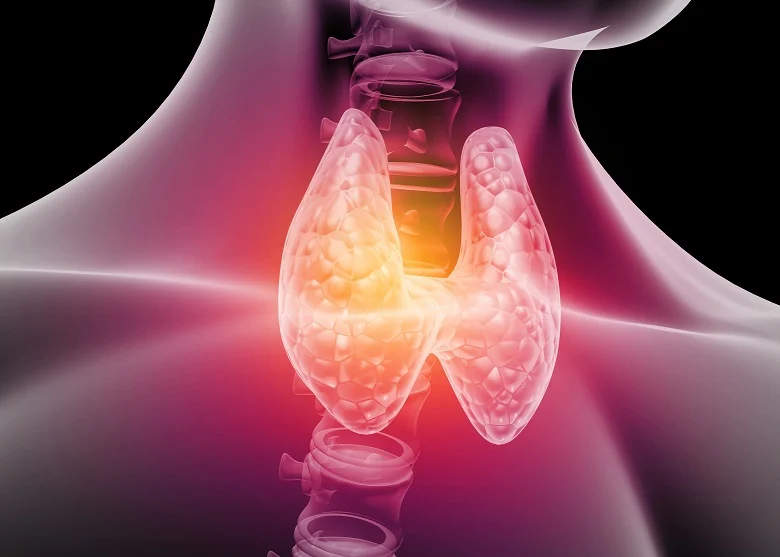
Hypothyroidism and hyperthyroidism are opposite thyroid dysfunction states, and taking the wrong supplement for the wrong condition can make things significantly worse. The thyroid gland sits at the front of the neck and produces two primary hormones, T4 (thyroxine) and T3 (triiodothyronine), which regulate metabolism, energy, body temperature, and much more. The hypothalamus-pituitary-thyroid axis keeps this system in balance. TSH, produced by the pituitary gland, signals the thyroid to produce more or fewer hormones depending on what the body needs.
When the thyroid produces too little hormone, you have hypothyroidism, also called an underactive thyroid. Hashimoto’s thyroiditis is the most common cause. It’s an autoimmune condition where the immune system mistakenly attacks thyroid tissue.
Common Symptoms of Hypothyroidism
- Fatigue
- Weight gain
- Brain fog
- Constipation
- Dry skin
- Low mood
When the thyroid produces too much hormone, you have hyperthyroidism, also called an overactive thyroid. Graves’ disease is the most common cause, another autoimmune condition, but this time the immune system stimulates the thyroid to overproduce hormones.
Common Symptoms of Hyperthyroidism
- Rapid heartbeat
- Unintended weight loss
- Anxiety
- Tremors
- Heat intolerance
Both Hashimoto’s and Graves’ disease have immune system dysfunction at their root. That shared autoimmune thread is why some supplements, particularly those that modulate the immune response, can benefit both conditions. But the hormonal direction is opposite, and that’s where careful differentiation becomes non-negotiable.
Best Supplements for an Underactive Thyroid (Hypothyroidism)
Several nutrients directly support thyroid hormone production or address the deficiencies that frequently accompany hypothyroidism, making targeted supplementation a genuinely useful adjunct to medical treatment.
Selenium
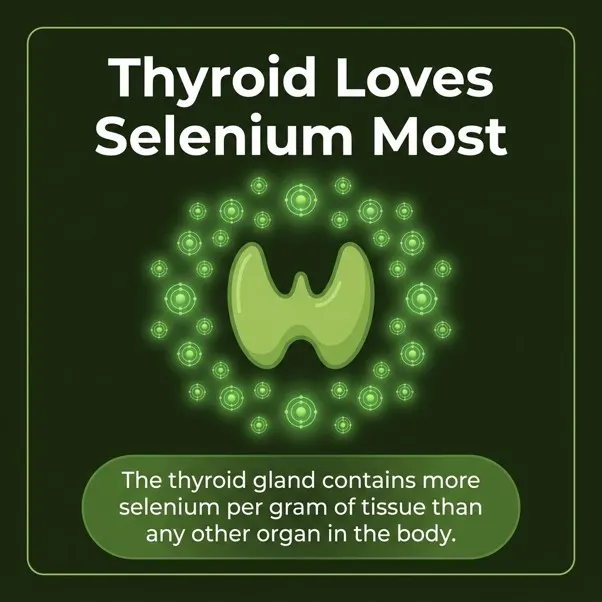
The thyroid gland contains more selenium per gram of tissue than any other organ in the body, according to published research on selenium’s role in thyroid physiology. That’s not a coincidence. Selenium is required for the enzyme that converts the inactive hormone T4 into the active form T3.
Without adequate selenium, that conversion stalls, and even if the thyroid is producing enough T4, the body can’t use it properly.
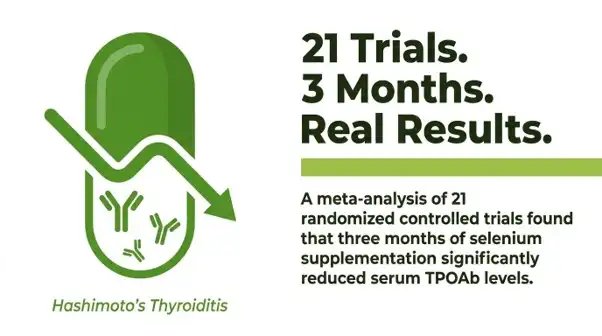
For people with Hashimoto’s thyroiditis, selenium does something else too. A meta-analysis of 21 randomised controlled trials found that three months of selenium supplementation significantly reduced serum TPOAb levels, with a standardised mean difference of -0.46. TPOAb are the thyroid peroxidase antibodies that drive autoimmune damage. Lowering them reduces the immune assault on the thyroid gland.
Food sources rich in selenium include Brazil nuts (one to two a day can meet your daily requirement), tuna, sardines, eggs, and sunflower seeds. Most adults need around 55 micrograms daily, with tolerable upper limits around 400 micrograms. High-dose selenium supplementation carries toxicity risk, so more is not better here.
Iodine
Iodine is the raw material the thyroid uses to build T4 and T3. Without it, hormone synthesis simply cannot happen. In populations where iodine deficiency is common, hypothyroidism follows. Supplementing iodine in a genuinely deficient person can restore thyroid function.
That said, iodine is not a free pass for anyone with an underactive thyroid. People with Hashimoto’s may find that excess iodine worsens their autoimmune response. If you’re already getting enough iodine through diet, adding more won’t help and could actively cause problems.
Good dietary sources include seaweed, dairy products, eggs, and iodized salt. If you’re thinking about iodine supplements specifically for hypothyroidism, it’s worth getting your levels tested first so you know without doubt that deficiency is the issue you’re dealing with.
Vitamin B12
Vitamin B12 deficiency is significantly more common in people with hypothyroidism. The connection runs both ways: low thyroid function can impair B12 absorption, and low B12 compounds the fatigue, brain fog, and nerve issues that hypothyroidism already causes.
Many people with an underactive thyroid who feel persistently tired despite having their TSH levels ‘normalised’ on medication find that correcting a B12 deficiency makes a real difference. Getting your B12 levels checked alongside thyroid function tests is straightforward and worth doing.
Dietary B12 comes almost entirely from animal products: meat, fish, dairy, and eggs. People following plant-based diets are at higher risk of deficiency and may need supplementation regardless of thyroid status. A good vitamin B complex can cover B12 alongside the other B vitamins that support energy metabolism.
Zinc
Zinc supports thyroid function through two key roles: it is required for the synthesis of thyroid hormones, and it helps the body respond to T3 at the cellular level. People with hypothyroidism sometimes have lower zinc levels, and there’s evidence that zinc supplementation may support TSH regulation.
Food sources include red meat, shellfish (oysters are particularly high), pumpkin seeds, legumes, and nuts. Vegans and vegetarians tend to have lower zinc intake because plant-based zinc is less bioavailable than animal-sourced zinc.
Magnesium
Magnesium supports thyroid hormone production and helps the body use thyroid hormones effectively at the tissue level. It also plays a role in reducing the inflammation that drives autoimmune thyroid conditions. Many people with hypothyroidism are magnesium-deficient, partly because thyroid dysfunction affects absorption and partly because dietary magnesium intake is often low across the general population.
Magnesium also helps with some of the most common hypothyroid symptoms independently, including muscle cramps, constipation, and poor sleep. Food sources include dark leafy greens, nuts, seeds, dark chocolate, and whole grains. For supplementation, magnesium malate and magnesium glycinate tend to be better tolerated than magnesium oxide. You can read more about how magnesium malate specifically benefits energy and muscle function if fatigue is a primary concern.
Can an Underactive Thyroid Cause Headaches?
An underactive thyroid can contribute to headaches through multiple pathways, including low magnesium levels, vitamin B12 deficiency, poor circulation, and the systemic inflammation associated with Hashimoto’s thyroiditis.
This is one of the more overlooked symptoms of hypothyroidism, and it’s worth taking seriously. Headaches aren’t usually the first thing people associate with an underactive thyroid, but the connection is real.
Magnesium deficiency is common in hypothyroidism and is one of the most established nutritional triggers for tension headaches and migraines. Vitamin B12 deficiency, which also occurs at higher rates in people with hypothyroidism, affects nerve function and can cause neurological symptoms including persistent head pain. Poor circulation from a slowed cardiovascular system and systemic inflammation from autoimmune thyroid disease both add to the picture.
If you’re dealing with frequent headaches alongside fatigue, weight gain, and cold intolerance, it’s worth asking your doctor to check your TSH levels, as well as your B12 and magnesium status. You might also find our article on whether high cholesterol can cause headaches useful, since hypothyroidism is also linked to elevated cholesterol levels.
Best Thyroid Supplements for Weight Loss
Supplements can’t directly burn fat or cure hypothyroidism. However, specific micronutrients have been clinically proven to reverse the metabolic slowdown caused by a sluggish thyroid function. The strongest scientific evidence centres on how key minerals alter the resting metabolic rate (RMR|) and improve the peripheral conversion of thyroid hormones T4 to T3.
Co-supplementation of zinc and selenium holds the most direct evidence-based link to reversing thyroid induced weight gain. A randomised, double-blind, placebo-controlled trial published in the Journal of the American College of Nutrition evaluated overweight, hypothyroid female patients.
A follow-up trial examined the impact on metabolism during a calorie-restricted diet. The data showed that zinc and selenium supplementation increased Resting Metabolic Rate by 22.9% compared to the placebo group.
While a standard hypocaloric diet typically slows down human metabolism to conserve energy, this mineral combination completely prevented that metabolic crash.
Best Supplements for an Overactive Thyroid (Hyperthyroidism)
Hyperthyroidism and Graves’ disease require a different supplementation approach, with the focus shifting from supporting hormone production to protecting the body from the effects of excess hormones and, where possible, calming the immune response driving Graves’ disease.
Lemon Balm
Lemon balm (Melissa officinalis) has a reasonable evidence base for hyperthyroidism. It appears to block TSH receptors, which is relevant in Graves’ disease where the immune system produces antibodies that stimulate those exact receptors. Some research suggests lemon balm may help reduce the overactivation of the thyroid in Graves’ disease.
It’s also useful for the anxiety and palpitations that accompany hyperthyroidism, since it has mild calming effects on the nervous system. That said, it’s a complement to medical treatment, not a replacement for it. Graves’ disease is a serious condition that needs endocrinological management.
Bugleweed
Bugleweed (Lycopus virginicus), also sometimes called Virginia water horehound, is one of the traditional herbal remedies historically used for overactive thyroid symptoms. It may reduce T4 levels and TSH receptor stimulation. It’s particularly used in milder cases or as supportive care alongside conventional treatment.
If you’re taking antithyroid medications, discuss bugleweed with your doctor before adding it. It can affect thyroid hormone levels, which means it can interfere with dosing decisions.
L-Carnitine
L-carnitine works as a peripheral antagonist of thyroid hormones, meaning it may reduce the effects of excess thyroid hormones in tissues, particularly in bone. This is useful in hyperthyroidism because excess T3 and T4 accelerate bone loss, which over time can raise fracture risk.
Some clinical studies have used L-carnitine specifically to protect bone density in hyperthyroid patients. It’s not treating the cause of the overactive thyroid, but it is addressing one of the downstream consequences.
Calcium and Vitamin D
Hyperthyroidism accelerates bone turnover and can lead to significant bone loss over time. Ensuring adequate calcium and vitamin D intake is a standard supportive measure for anyone with an overactive thyroid. This isn’t treating hyperthyroidism itself, but it is protecting against one of its most serious long-term complications.
Vitamin D is doubly important here because it also modulates immune function. In Graves’ disease, which is autoimmune in origin, supporting immune balance matters. Research has found that patients with autoimmune thyroid disease consistently showed lower than normal vitamin D levels, which suggests deficiency is the norm rather than the exception. You can read more about the broader case for combining vitamin D3 with K2 for bone and immune health.
Supplements That Support Both Underactive and Overactive Thyroid
Some nutrients address the autoimmune mechanisms common to both Hashimoto’s and Graves’ disease, or correct deficiencies that occur across both conditions regardless of the hormonal direction.
Vitamin D
Vitamin D’s role in autoimmune thyroid disease is now well-supported by research. A 2026 review published in Frontiers in Immunology found that vitamin D supplementation reduced TPOAb levels in patients with autoimmune thyroid disease. Since both Hashimoto’s and Graves’ disease are autoimmune conditions, and since vitamin D deficiency appears in both, correcting deficiency is relevant in either scenario.
The mechanism is immune modulation. Vitamin D helps regulate T-regulatory cells, which are the immune cells that normally keep autoimmune responses from spiraling. When vitamin D is low, that regulatory function weakens.
Sunshine remains the best natural source, but in northern latitudes during winter months, supplementation is often necessary to maintain adequate levels.
Selenium (for Both Conditions)
Beyond its role in T4-to-T3 conversion for people with hypothyroidism, selenium also benefits people with Graves’ disease. There is specific evidence supporting selenium’s use in thyroid eye disease (Graves’ ophthalmopathy), a complication of Graves’ disease where the tissues behind the eyes become inflamed. Selenium’s antioxidant properties appear to reduce that inflammatory damage.
Research also indicates that selenium combined with myo-inositol supplementation may help stabilise thyroid function and structural integrity in patients with thyroid nodules by reducing autoantibody-mediated damage. Both Hashimoto’s and Graves’ disease involve autoantibody production, so the relevance extends across both conditions.
Magnesium
Magnesium supports thyroid function in both directions. For hypothyroidism, it aids hormone production and tissue response. For hyperthyroidism, it helps manage palpitations, anxiety, and muscle tremors, all symptoms driven by excess thyroid hormone stimulation. Magnesium’s calming effect on the nervous system makes it a genuinely useful supplement for people with Graves’ disease dealing with the cardiovascular and neurological symptoms that come with an overactive thyroid.
Omega-3 Fatty Acids
Omega-3 supplementation may support overall immune balance and improve cardiovascular risk factors in autoimmune thyroid conditions. This matters because both Hashimoto’s and Graves’ disease carry cardiovascular risk: the former through the metabolic effects of low thyroid function, and the latter through the direct cardiac strain of excess thyroid hormones. Oily fish such as salmon, mackerel, and sardines are good dietary sources. Algae-based omega-3 supplements are an excellent option for people following plant-based diets.
Probiotics
The gut-thyroid connection is an emerging area, and the evidence is building. One study found that the probiotic Lactobacillus plantarum 299v significantly improved quality of life in women with Hashimoto’s thyroiditis, reducing a composite quality-of-life score from 60.94 points to 35.94 points. The likely mechanism involves gut immune modulation: around 70% of immune tissue sits in the gut, and supporting the gut microbiome appears to have knock-on effects for systemic autoimmune activity.
Fermented foods like yogurt, kefir, sauerkraut, and kimchi are natural ways to support gut bacterial diversity without supplementation. If you’re adding a probiotic supplement for thyroid support specifically, look for strains with evidence behind them rather than generic blends.
Supplements and Foods to Avoid with Thyroid Conditions
Certain supplements and dietary patterns can worsen thyroid conditions, interfere with thyroid medication, or skew thyroid blood test results in ways that lead to misdiagnosis or incorrect dosing.
What to Avoid with Hyperthyroidism
Iodine supplements and kelp are the most important ones to cut out with an overactive thyroid. Excessive iodine intake has been shown to precipitate thyroid disease, causing hypothyroidism in some cases and hyperthyroidism in others depending on the individual’s baseline. For someone already dealing with hyperthyroidism, additional iodine can make the condition significantly worse. Any supplement marketed as a “thyroid booster” should be treated with extreme caution, as these products often contain iodine or kelp.
L-tyrosine is another supplement to avoid. It’s an amino acid that the thyroid uses as a building block for T4 and T3, combined with iodine. Adding L-tyrosine supplements when the thyroid is already overproducing hormones is counterproductive.
What to Be Careful About with Hypothyroidism
Raw cruciferous vegetables like kale, cabbage, and broccoli contain goitrogens, compounds that can interfere with iodine uptake and thyroid hormone production in very large quantities. Cooking largely deactivates goitrogens, so this is mostly relevant to people eating large amounts of raw cruciferous vegetables daily while also having low iodine intake. It’s not a reason to avoid broccoli entirely. It’s a reason not to make raw kale smoothies three times a day if you already have an underactive thyroid.
Soy in large amounts may also interfere with iodine absorption and thyroid hormone action. Moderate soy consumption isn’t a problem for most people, but high-dose soy isoflavone supplements alongside hypothyroidism treatment warrant caution.
Natural Approaches
Thyroid health isn’t only about which pills you take. Sleep, stress management, and a varied wholefood diet all play roles. Chronic stress raises cortisol, which can suppress TSH and interfere with T4-to-T3 conversion. Adaptogens like ashwagandha are sometimes used to manage this cortisol-thyroid interaction, particularly in hypothyroidism. You can explore the evidence for ashwagandha’s benefits if stress-related hormonal disruption is part of your picture, and there’s also a counterpart guide on ashwagandha benefits for men which you may find a helpful read alongside it.
Safety Warnings: What to Know Before Taking Thyroid Support Supplements
Thyroid supplements carry specific safety risks that make the “always consult your doctor first” advice more than just a legal disclaimer, it’s genuinely important clinical guidance.
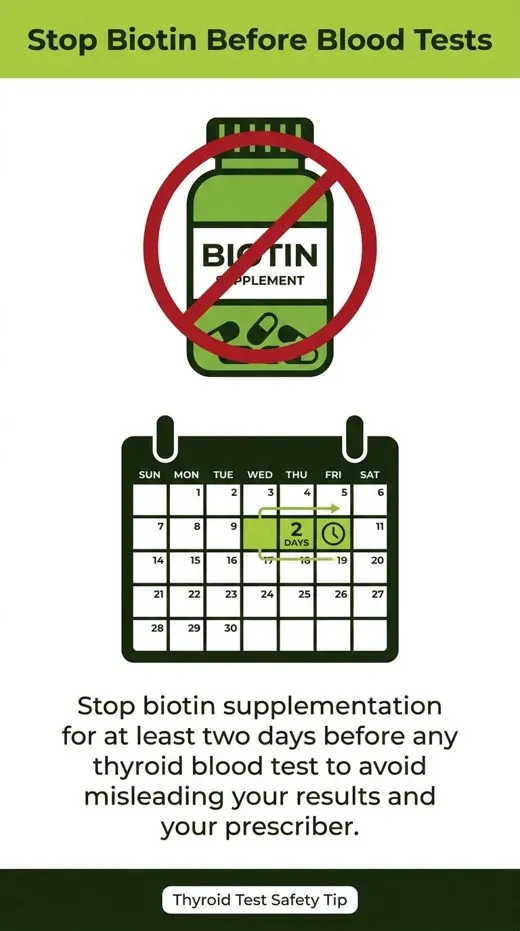
The most significant risk is that supplements can interfere directly with thyroid hormone levels. This affects how doctors interpret your blood tests and how they prescribe your medication. Biotin is a prime example. Many people take high-dose biotin for hair and nail growth, but biotin at high doses interferes with the immunoassays used to measure TSH, free T4, and free T3. The result can show falsely low TSH readings and falsely high thyroid hormone readings, mimicking hyperthyroidism in a blood test for someone who is in fact healthy, or even masking hypothyroidism. The fix is simple: stop biotin supplementation for at least two days before any thyroid blood test.
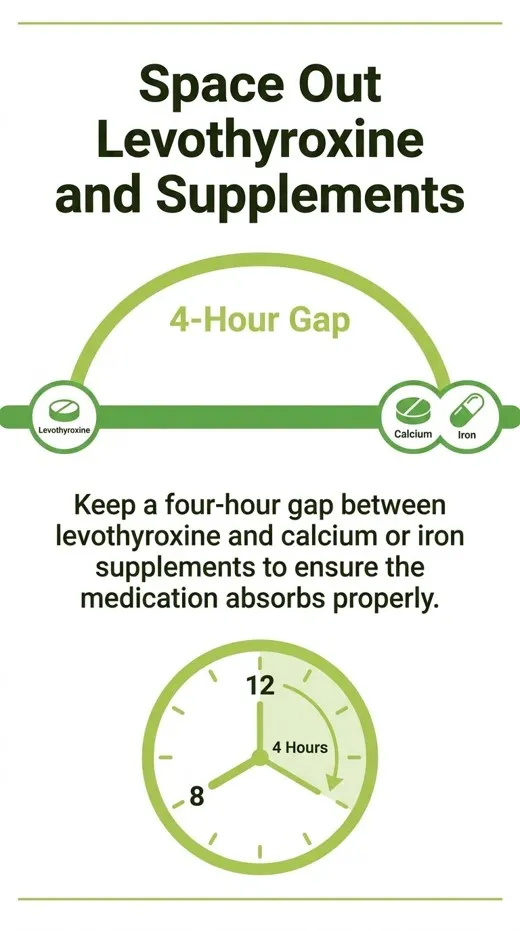
Levothyroxine, the standard medication for hypothyroidism, is particularly sensitive to absorption interference. Calcium supplements, iron supplements, and soy products can all reduce levothyroxine absorption if taken at the same time. Most guidelines recommend a four-hour gap between levothyroxine and these supplements to ensure the medication absorbs properly.
The broader safety framework for thyroid supplements has four pointers:
- Test before supplementing. Knowing your actual levels tells you whether deficiency exists and guides appropriate dosing.
- Avoid high doses. More is not better for iodine, selenium, or vitamin D. All have established upper limits beyond which harm occurs.
- Supplements are adjuncts, not substitutes. No supplement replaces levothyroxine for hypothyroidism or antithyroid drugs for hyperthyroidism.
- Tell your doctor what you’re taking. A complete picture is necessary to interpret your blood tests and adjust your treatment accurately.
How Thyroid Support Supplements Interact with Thyroid Medications
The interactions between thyroid supplements and thyroid medications fall into two categories: those that affect drug absorption and those that affect thyroid hormone levels independently of the drug.
For levothyroxine users, absorption timing matters enormously. Calcium carbonate, ferrous sulphate (iron), and soy-based products all bind to levothyroxine in the gut and reduce how much gets absorbed. The practical solution is straightforward: take levothyroxine on an empty stomach, ideally 30 to 60 minutes before eating, and keep a four-hour gap before taking calcium or iron supplements.
For people with hyperthyroidism on antithyroid medications, iodine supplements can undermine treatment by providing more raw material for hormone synthesis. Kelp and seaweed supplements carry the same risk. Lemon balm and bugleweed, mentioned earlier for their potential to reduce thyroid stimulation, need careful monitoring because their thyroid-modulating effects interact directly with antithyroid drug dosing.
Thyroid function is tightly regulated by the HPT axis. That means small inputs, including supplements, can shift the balance in ways that require medication dose adjustments. Regular monitoring while starting or changing supplements is good practice. If you’re interested in how hormonal balance more broadly responds to supplementation, the guide on vitamins for hormonal balance covers the wider endocrine picture.
Key Questions Answered
Can supplements replace thyroid medication?
No. Supplements are adjuncts to medical treatment, not substitutes for it. Levothyroxine for hypothyroidism and antithyroid drugs or other medical interventions for hyperthyroidism are established, evidence-based treatments. No supplement replaces them safely.
Is it safe to take iodine supplements if you have a thyroid condition?
It depends on the condition and whether deficiency is confirmed. In confirmed iodine deficiency with hypothyroidism, supplementation can help. But excessive iodine intake has been shown to precipitate thyroid disease, worsening hypothyroidism in some cases and triggering or worsening hyperthyroidism in others. Anyone with an overactive thyroid should avoid iodine supplements and kelp entirely.
Does biotin affect thyroid blood tests?
High-dose biotin interferes with the immunoassay tests used to measure TSH, T4, and T3, potentially producing false results. Stop biotin supplementation for at least two days before any thyroid blood test to avoid misleading your results and your prescriber.
What supplements help with an overactive thyroid?
No over-the-counter supplement has been proven to safely treat hyperthyroidism as a primary therapy. The condition requires proper medical management. Supportive supplements for people with an overactive thyroid include calcium and vitamin D to protect bone density, lemon balm and bugleweed as potential adjuncts for Graves’ disease symptoms, and L-carnitine to reduce the peripheral effects of excess thyroid hormones. These should be taken under medical supervision alongside conventional treatment.
Managing a thyroid condition well is genuinely a team effort between you, your doctor, and the choices you make day to day. Getting tested first, eating a varied diet rich in the nutrients covered here, and treating supplements as exactly that, supplemental rather than central, puts you in a much stronger position. If you’re also dealing with the cortisol-thyroid connection that comes with chronic stress, exploring supplements that support cortisol reduction may be a useful next step in your overall approach. And if in doubt, take this guide to your next appointment. Your doctor will be glad you came prepared.
Our Promise
When it comes to keeping you informed on health and nutrition, we’re here for you and aim to help where we can. If you would like to discuss any aspect of using natural supplements, or would find advice helpful, please feel free to contact us on 01297 553932