
Related Product
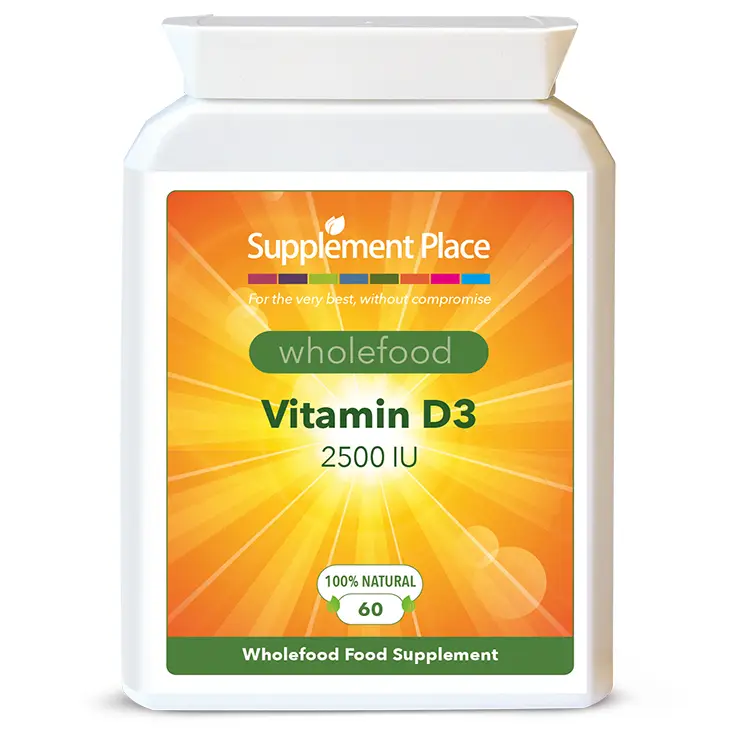 Vitamin D3 2500IU (Wholefood)
Have you ever wondered why your energy levels crash mid-afternoon, your mood swings like a pendulum, or your periods arrive unannounced? It could be that your hormones are sending out distress signals.
Female hormone balance isn’t just about oestrogen and progesterone. It’s an intricate dance involving cortisol, thyroid hormones, insulin, and testosterone, all working together. When this delicate balance tips, your body responds with symptoms ranging from mild annoyances to serious disruptions. Hot flushes, irregular periods, unexplained weight gain, and brain fog can all be traced back to hormonal imbalance
The good news? Specific vitamins and minerals can support your body’s natural hormone production and regulation. We’re not talking about quick fixes or magic pills, but those nutrients backed by research which help your endocrine system function as it should. We highlight which vitamins and minerals can support hormone production, how they work in your body, and practical ways to get them through food in the first instance, and from supplements when needed.
We also deal with how supplements work alongside lifestyle choices, highlighting how sleep quality, stress management, and what you eat regularly all contribute to hormone balance. It may help to think of supplements as supporting actors rather than the lead role.

Understanding Hormonal Imbalance
Hormonal imbalance happens when your body produces too much or too little of specific hormones. These chemical messengers control nearly every bodily function, from metabolism to mood. Oestrogen, progesterone, testosterone, cortisol, thyroid hormones, and insulin all need to exist in precise ratios. When one shifts, others compensate or falter.
It’s perfectly normal and natural for your hormones to fluctuate throughout your menstrual cycle, but persistent imbalances may suggest that something deeper needs attention.
How Hormones Communicate
Your endocrine glands release hormones directly into your bloodstream. These messengers travel to target cells with specific receptors designed to receive them. If you think of hormones as keys and receptors as locks, the right key opens the right door, triggering specific cellular responses.
Oestrogen binds to oestrogen receptors throughout your body, not just reproductive organs. You have oestrogen receptors in your brain, bones, skin, and cardiovascular system. This explains why hormonal imbalance affects so many physical systems simultaneously.
Progesterone balances oestrogen’s effects. When progesterone levels drop relative to oestrogen, you experience oestrogen dominance even if your oestrogen levels are normal.
The Stress-Hormone Connection
Cortisol, your primary stress hormone, influences every other hormone in your body. Chronic stress keeps cortisol elevated, which disrupts your entire hormonal cascade. High cortisol levels also suppress progesterone production and interfere with thyroid hormone conversion, as well as promoting insulin resistance and disrupting your sleep-wake cycle. These reactions can result in further destabilisation of hormone balance.
Your adrenal glands produce both cortisol and sex hormones. Under chronic stress, your body prioritises cortisol production over reproductive hormones. This is called the ‘pregnenolone steal.’
Learn more about cortisol here.
Common Symptoms of Hormonal Imbalance

Recognising hormonal imbalance symptoms helps you address problems before they worsen. These signs vary depending on which hormones are affected. Most women experience multiple symptoms simultaneously because hormone imbalances rarely occur in isolation.
Reproductive Hormone Symptoms
Irregular periods signal that something is disrupting your menstrual cycle. This includes periods that arrive too early, too late, or skip months entirely. Heavy bleeding or prolonged periods often indicate oestrogen dominance or low progesterone. Light periods or absent menstruation suggest low oestrogen or chronic stress affecting reproductive function.
Severe period pain and cramping which interferes with daily life is not normal. Whilst some discomfort is common, debilitating pain warrants investigation. Hot flushes and night sweats typically occur during perimenopause and menopause as oestrogen levels decline. But they can also happen with thyroid dysfunction or extreme stress in younger women.
Metabolic and Physical Symptoms
Unexplained weight gain, particularly around your middle, often links to insulin resistance and cortisol imbalance. Your body stores extra fat when insulin levels stay elevated.
Persistent fatigue despite adequate sleep suggests thyroid hormones are not optimised. Your thyroid controls your metabolic rate and energy production.
Hair thinning or hair loss can result from thyroid dysfunction, high testosterone, or nutritional deficiencies that affect hormone production. Hair grows in cycles influenced by hormonal signals.
Skin changes, including adult acne, dryness, or sudden oiliness, may reflect shifting hormone levels. Androgens stimulate oil production whilst oestrogen maintains skin hydration.
Mood and Cognitive Symptoms
Mood swings, irritability, and anxiety often accompany hormonal fluctuations. Oestrogen and progesterone directly affect neurotransmitter production in your brain.
Depression can develop when hormones remain imbalanced long-term. Thyroid hormones and reproductive hormones influence serotonin and dopamine levels.
Brain fog, poor concentration, and memory problems link to thyroid dysfunction and declining oestrogen. These hormones support cognitive function and neural connectivity.
Sleep disruption affects hormone balance and results from it. Melatonin, cortisol, and reproductive hormones all follow circadian rhythms. When one shifts, sleep quality suffers.
What Causes Hormonal Imbalance?
Multiple factors contribute to hormonal imbalance in women. Understanding root causes may help you address problems effectively rather than just managing the symptoms. Some causes are natural life stages. Others stem from lifestyle factors or underlying health conditions.
Life Stage Transitions
Perimenopause typically begins in your 40s but can start earlier. Oestrogen and progesterone levels fluctuate significantly before declining. This transition period can often last for several years.
Menopause officially occurs 12 months after your final period. Oestrogen drops significantly, ending reproductive function. This affects bone density, cardiovascular health, and vaginal tissue health.
Postpartum hormone shifts happen as pregnancy hormones plummet and your body adjusts to breastfeeding or not. This dramatic change can trigger mood disorders and thyroid dysfunction.
Medical Conditions Affecting Hormones
PCOS affects up to 10% of women of reproductive age. It involves insulin resistance, elevated androgens, and irregular ovulation. Many women with PCOS struggle with weight, acne, and fertility.
Thyroid disorders including hypothyroidism and hyperthyroidism disrupt your entire endocrine system. Your thyroid produces hormones which regulate metabolism, body temperature, and energy production.
Insulin resistance occurs when your cells stop responding properly to insulin. Your pancreas produces more insulin to compensate, keeping blood sugar elevated. This promotes weight gain and inflammation.
Adrenal dysfunction develops from chronic stress. Your adrenal glands become less responsive to signals, producing inappropriate amounts of cortisol at wrong times.
Lifestyle and Environmental Factors
Poor diet lacking essential nutrients prevents your body from producing hormones efficiently. Specific vitamins and minerals serve as building blocks for hormone synthesis.
Chronic stress keeps cortisol elevated, which suppresses reproductive hormone production. Prolonged periods of stress may also lead to inflammation and insulin resistance.
Sleep deprivation disrupts every hormone in your body. Growth hormone releases during deep sleep. Cortisol should be lowest at night. Inadequate sleep reverses these patterns.
Endocrine disruptors in plastics, personal care products, and pesticides mimic or block natural hormones. These chemicals interfere with hormone receptors and metabolism.
Excessive exercise combined with inadequate nutrition signals a state of famine to your body. This suppresses reproductive hormones to conserve energy.
Essential Vitamins for Hormone Balance
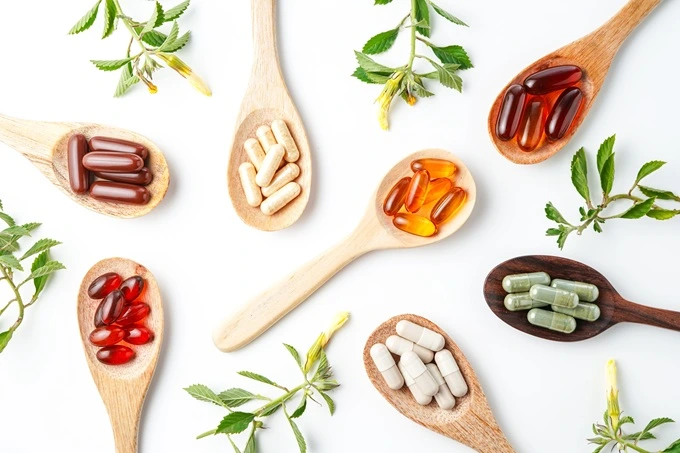
Certain vitamins play crucial roles in hormone production, metabolism, and receptor function. Your body can’t manufacture most vitamins, so you must obtain them through diet or supplementation.
These nutrients work together synergistically so focusing on one whilst ignoring others can create an imbalance.
How Vitamins Support Hormones
Vitamins serve as cofactors (helper molecules) for enzymes involved in hormone synthesis. Without adequate cofactors, biochemical reactions slow or stop entirely. Some vitamins act as antioxidants, protecting hormone-producing glands from oxidative damage. Others support liver function, which helps metabolise and clear excess hormones.
Fat-soluble vitamins including A, D, E, and K need dietary fat for absorption. They are stored in body tissues and released as needed. Water-soluble vitamins like B complex and vitamin C cannot be stored long-term so you need regular intake to maintain adequate levels.
Testing Before Supplementing
Blood tests measure current levels of specific vitamins and hormones so can tell you which nutrients you need rather than simply guessing. You need to ask your doctor for ‘optimal levels’ not just ‘within normal limits’ results.
Vitamin D and Hormonal Health
Vitamin D functions more like a hormone than a traditional vitamin. Your body produces it when sunlight hits your skin. It then converts through several steps into its active form.
Nearly every tissue in your body has vitamin D receptors. This includes your ovaries, uterus, and all hormone-producing glands. Deficiency is widespread, particularly in northern latitudes and amongst people with darker skin. Office workers who spend days indoors often have suboptimal levels.
Vitamin D’s Hormonal Roles
Vitamin D supports oestrogen regulation by influencing how your body produces and metabolises this hormone. It also affects testosterone and progesterone synthesis as well as improving insulin sensitivity. Adequate vitamin D helps your cells respond appropriately to insulin signals, supporting stable blood suga
Your thyroid needs vitamin D to function optimally. It influences thyroid hormone production and conversion from inactive T4 (thyroxine) to active T3 (Triiodothyronine), hormones produced by the thyroid gland.
Research in women with PCOS found that vitamin D supplementation could reduce PMS symptoms and could be helpful for bone health during menopause.
Getting Adequate Vitamin D
Sunlight exposure provides vitamin D naturally. Aim for 10-30 minutes of midday sun on bare skin several times weekly. Time needed varies due to your skin tone and where you are geographically.
Few foods naturally contain significant vitamin D. Fatty fish such as salmon and mackerel provide fair amounts. Egg yolks and mushrooms which have been exposed to UV light offer modest amounts. Fortified foods including some dairy products and plant milks have added vitamin D. Check labels to confirm fortification levels.
Supplementation often becomes necessary, particularly during winter months. Most experts recommend 1000-4000 IU daily for adults, but optimal dosing depends on current levels and individual factors.
It’s a useful tip to take vitamin D with meals containing fat. This fat-soluble vitamin absorbs best alongside dietary fats.
B Vitamins for Hormone Regulation
The B vitamin family includes eight distinct nutrients working together to support energy production, nervous system function, and hormone metabolism. Each B vitamin has specific roles in hormonal health.
B vitamins are water-soluble, meaning your body doesn’t store them long-term. You need regular intake through diet or supplements.
B6 and Progesterone Support
Vitamin B6 particularly influences progesterone and oestrogen balance. It helps your body produce neurotransmitters which regulate mood during your menstrual cycle. B6 reduces PMS symptoms including breast tenderness, bloating, and mood swings. It also supports the liver’s ability to metabolise and clear excess oestrogen.
Food sources include chickpeas, salmon, chicken breast, potatoes, and bananas. Cooking reduces B6 content, so try to include some raw foods.
If taking B6 as a supplement, the dose typically ranges from 25-100 mg daily. Higher doses over 200 mg can cause nerve damage with long-term use, so stick to the recommended dosing limits.
B12 and Methylation
Vitamin B12 supports methylation pathways essential for hormone metabolism. Methylation adds chemical tags to hormones, preparing them for elimination. Poor methylation leads to hormone accumulation and imbalance. B12 also supports thyroid function and energy production at cellular level.
Animal products provide the most bioavailable B12. This includes meat, fish, eggs, and dairy. If you follow a vegetarians or vegan diet, you will need supplementation and/or fortified foods.
Folate and Hormone Detoxification
Folate (vitamin B9) works alongside B12 in methylation processes. It’s crucial for DNA synthesis and cell division, making it essential during reproductive years.
This B vitamin supports liver detoxification of hormones and other compounds. Adequate folate prevents hormone buildup and promotes balance.
Leafy greens, legumes, asparagus, and citrus fruits provide natural folate. Folic acid is the synthetic form found in supplements and fortified foods.
Many people have genetic variations affecting folate metabolism. Methyl folate supplements bypass this issue, providing the active form directly.
Magnesium: Master Minerals for Hormones
Magnesium plays a part in over 300 enzymatic reactions in your body. Many of these directly affect hormone production, stress response, and blood sugar regulation.
Most women don’t get enough magnesium from diet alone. Modern farming practices have depleted soil magnesium resulting in reduced amounts in food. Stress is also known to rapidly deplete magnesium levels.
Magnesium’s Hormonal Functions
This mineral regulates cortisol production and your stress response. Adequate magnesium helps prevent excessive cortisol release during stressful situations.
Magnesium supports progesterone and oestrogen production. It is needed for the enzymes that synthesise these reproductive hormones.
Insulin sensitivity improves with adequate magnesium and it also helps insulin bind to receptors to facilitate glucose entry into cells.
Your thyroid needs magnesium to produce and convert thyroid hormones properly. Deficiency contributes to hypothyroid symptoms even when thyroid hormone levels appear normal.
Signs of Magnesium Deficiency
Muscle cramps and spasms often indicate low magnesium. This includes menstrual cramps, which can worsen with deficiency.
Sleep problems, particularly difficulty falling asleep, suggest inadequate magnesium. This mineral supports GABA production, your primary calming neurotransmitter.
Anxiety and irritability increase when magnesium is low. These symptoms often worsen during premenstrual phases.
Headaches and migraines can result from magnesium deficiency affecting blood vessel function and neurotransmitter balance.
Increasing Magnesium Intake
Dark leafy greens provide magnesium along with other beneficial nutrients. Spinach, Swiss chard, and kale are excellent sources. Nuts and seeds particularly pumpkin seeds, almonds, and cashews contain significant amounts. Whole grains, legumes, and dark chocolate offer good magnesium content. Choose minimally processed versions.
Magnesium glycinate supplements absorb well and rarely cause digestive upset. Start with 200-400 mg daily, taken with dinner for best sleep benefits.
Topical magnesium through Epsom salt baths or magnesium oil provides an alternative absorption route. Some people prefer this method to avoid supplements.
Zinc for Thyroid and Reproductive Hormones
Zinc is essential for immune function, wound healing, and hormone production. Your body can’t store zinc, so regular dietary intake is necessary.
This mineral concentrates in hormone-producing glands including your ovaries, thyroid, and pituitary. Adequate zinc ensures these glands function optimally.
Zinc’s Hormonal Roles
Thyroid hormone production requires zinc. This mineral helps convert inactive T4 into active T3, your most metabolically active thyroid hormone.
Progesterone synthesis depends on adequate zinc. Deficiency contributes to progesterone insufficiency and oestrogen dominance.
Zinc regulates testosterone in both sexes. In women, proper zinc levels prevent excessive testosterone that contributes to PCOS symptoms; it also supports insulin function and glucose metabolism. Zinc helps insulin bind to receptors and facilitates cellular glucose uptake.
Dietary Sources of Zinc
Oysters provide the highest zinc concentration of any food, but red meat and poultry also offer well-absorbed zinc. Beans, nuts, and whole grains contain zinc but also phytates which reduce absorption. Soaking, sprouting, or fermenting these foods improves zinc bioavailability.
Pumpkin seeds make an excellent plant-based zinc source. They can be lightly toasted and add to salads or eaten as snacks.
Supplementing Zinc Safely
Zinc supplements typically range from 15-30 mg daily. Higher doses can interfere with copper absorption and cause imbalances. Take zinc with food to prevent nausea and avoid taking it simultaneously with calcium or iron supplements, which compete for absorption.
Zinc picolinate and zinc glycinate absorb better than zinc oxide. Choose these forms when supplementing.
If you experience nausea, loss of appetite, or metallic taste when supplementing with zinc, this may indicate you should reduce your dosage.
Omega-3 Fatty Acids for Hormone Production
While not technically vitamins, omega-3 fatty acids deserve attention for their serious hormonal roles. These essential fats form cell membranes and serve as building blocks for hormone synthesis.
Your body can’t produce omega-3s, so dietary intake is essential. Modern diets often lack adequate omega-3s whilst providing excessive omega-6 fatty acids. This imbalance promotes inflammation.
How Omega-3s Support Hormones
These fatty acids reduce inflammation throughout your body. Chronic inflammation disrupts hormone signalling and promotes insulin resistance.
According to research, omega-3s support hormone production, reduce inflammation, and may help with menstrual pain and cycle regulation. This makes them valuable for managing period-related symptoms.
Omega-3s also improve insulin sensitivity by making cell membranes more flexible and responsive. This helps prevent insulin resistance and related hormonal issues.
Cell membrane fluidity affects hormone receptor function. Adequate omega-3s ensure receptors can bind hormones efficiently and trigger appropriate cellular responses.
EPA and DHA Benefits
EPA and DHA are the most biologically active omega-3s. EPA particularly reduces inflammation, whilst DHA supports brain function and mood regulation.
These omega-3s help regulate prostaglandins, hormone-like compounds affecting inflammation, blood clotting, and uterine contractions. Balanced prostaglandins reduce menstrual cramps.
Mood stability improves with adequate omega-3 intake. These fats support neurotransmitter function and reduce inflammatory depression.
Omega-3 Food Sources
Fatty fish including salmon, mackerel, sardines, and herring provide the highest EPA and DHA concentrations. Aim for at least two servings weekly. Choose wild-caught fish when possible. These typically contain more omega-3s and fewer contaminants than farmed varieties.
Plant sources like flaxseeds, chia seeds, and walnuts provide ALA, a precursor omega-3. Your body converts some ALA to EPA and DHA, but conversion is inefficient.
Algae supplements offer vegetarian EPA and DHA. This is where fish get their omega-3s originally.
Omega-3 Supplementation
Fish oil supplements and algae-based alternatives provide concentrated EPA and DHA. Look for products tested for purity and heavy metal contamination.
Adaptogens and Stress Hormone Support
Adaptogenic herbs help your body adapt to stress more efficiently. They modulate cortisol production and support adrenal function during chronic stress.
These herbs don’t fit neatly into vitamin categories but deserve mention for their hormonal benefits. They work in a different way to vitamins, influencing multiple body systems simultaneously.
Ashwagandha for Cortisol Balance
Ashwagandha, also known as one of the most studied adaptogens. It helps normalise cortisol levels whether they’re too high or too low. This herb improves stress resilience. People taking ashwagandha typically report feeling calmer and more capable of handling stressful situations.
Thyroid function may improve with ashwagandha. Some research suggests it supports T4 (thyroxine) production and conversion to T3 (Triiodothyronine), both hormones produced by the thyroid gland.
Sleep quality often improves. Ashwagandha promotes relaxation without sedation, making it easier to fall and stay asleep.
Standard dosing ranges from 300-600 mg daily of a standardised extract. Take it with food, preferably in the evening.
Other Supportive Adaptogens
- Rhodiola Rosea – can help with mental fatigue and physical stamina. It supports healthy cortisol rhythms and improves stress-induced exhaustion.
- Holy basil – can reduce anxiety and support metabolic health. It may help regulate blood sugar and reduce cortisol.
- Maca – traditionally supports reproductive health and energy. Some women find it helps with libido and menstrual regularity.
Using Adaptogens Safely
Start with one adaptogen at a time. This allows you to assess individual effects rather than guessing which herb causes which response.
Give adaptogens at least two weeks to show effects. They work gradually rather than providing immediate changes.
Cycle adaptogens or take breaks periodically. This prevents your body getting used to them so maintains their effectiveness.
Some adaptogens interact with medications or aren’t appropriate during pregnancy. Consult a knowledgeable practitioner before starting.
Lifestyle Foundations for Hormone Balance
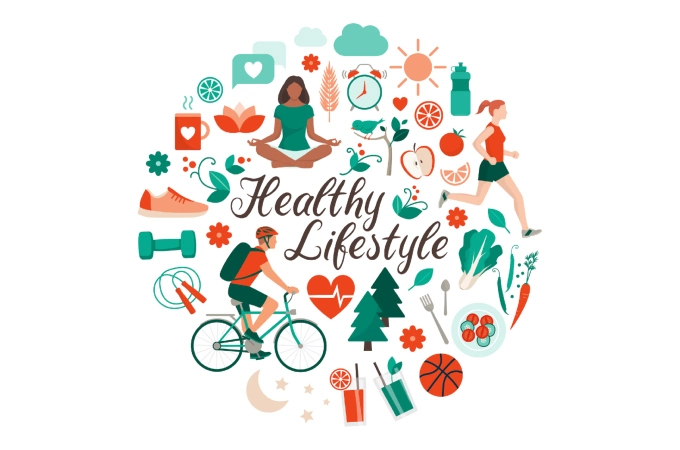
Supplements support hormone balance but can’t compensate for poor lifestyle habits. Sleep, stress management, diet quality, and movement all directly affect your endocrine system.
Think of lifestyle as the foundation and supplements as reinforcement. A weak foundation can’t support any structure, no matter how good the materials.
Sleep and Circadian Rhythms
Aim for seven to nine hours of quality sleep nightly. Your body produces and regulates hormones during sleep according to circadian rhythms.
Prioritise 7–9 hours of quality sleep each night to keep cortisol, melatonin, and reproductive hormones in rhythm.
Growth hormone releases during deep sleep. This hormone supports tissue repair, metabolism, and body composition.
Melatonin regulates sleep-wake cycles and production of this hormone requires darkness. Use blackout curtains or an eye mask. Avoid blue light from screens for two hours before bed.
Cortisol should be lowest at night and peak in the morning. Late nights and irregular schedules disrupt this pattern, promoting hormonal chaos.
Stress Management Techniques
Chronic stress damages hormonal health more than any single factor. Finding effective stress management tools is essential.
Daily relaxation practices like meditation, deep breathing, or yoga activate your parasympathetic nervous system. This counters stress responses and supports hormone balance.
Time in nature reduces cortisol and improves mood. Even 20 minutes outside provides measurable benefits.
Social connection and meaningful relationships buffer stress effects. Prioritise relationships that nourish rather than drain you.
Nutrition for Hormonal Health
Eat adequate protein at each meal. Protein provides amino acids necessary for hormone production and helps regulate blood sugar.
Include healthy fats from avocados, nuts, seeds, olive oil, and fatty fish. Your body needs fat to produce steroid hormones including oestrogen, progesterone, and cortisol.
Choose complex carbohydrates rather than refined sugars. Whole grains, vegetables, and legumes provide steady energy without blood sugar spikes.
Fibre supports excess hormone elimination through your digestive tract, so include plenty of vegetables, fruits, and whole grains in your daily diet.
Limit alcohol consumption. Your liver prioritises alcohol detoxification over hormone metabolism so when you’ve been drinking this allows hormones to accumulate.
Movement and Exercise
Regular physical activity improves insulin sensitivity and supports healthy body composition. Both directly affect hormone balance.
Mix strength training with cardiovascular exercise. Resistance training supports muscle mass and metabolism. Cardio improves insulin sensitivity and stress resilience.
Avoid excessive exercise that creates additional stress. Overtraining raises cortisol and can suppress reproductive hormones.
Daily movement matters more than intense workouts. Walking, stretching, and making sure you take enough movement breaks throughout your day all contributes to improved metabolic health.
When to Seek Medical Care
Severe symptoms that interfere with daily life warrant medical attention. Don’t suffer through debilitating symptoms hoping supplements will eventually help. Sudden changes in your cycle and particularly absent periods for several months need investigation. This could indicate PCOS, thyroid dysfunction, or other conditions requiring treatment.
Unexplained weight changes, extreme fatigue, or mood disturbances might signal thyroid problems or other hormonal disorders needing medical management.
Difficulty conceiving after six to twelve months of trying suggests a need for evaluation of hormonal issues affecting fertility.
Building Your Hormone-Supporting Plan
Unlike pharmaceutical drugs, most natural supplements require consistent use for at least three months before noticeable improvements occur. Hormonal changes happen gradually. Some people notice better sleep or mood within weeks, whilst cycle changes take longer to establish.
Hormone balance isn’t about finding a magic supplement. It’s about creating conditions where your endocrine system can function optimally. Start with foundations prioritise sleep, manage stress, eat nutrient-dense whole foods, and move your body regularly. These lifestyle factors are vital.
Consider natural hormone balancing methods which complement your vitamin supplementation strategy. Be patient with the process. You didn’t develop hormonal imbalances overnight, and you won’t reverse them instantly but consistent effort with proper support creates meaningful change over time. Your body wants to be balanced and sometimes it just needs the right building blocks and supportive conditions to restore its natural equilibrium.
Related Products
- Wholefood Vitamin D3
- Vitamin B Complex
- Magnesium Bisglycinate
- Wholefood Zinc from Guava Leaf
- Vegan Omega-3 capsules
- Ashwagandha Root Extract
- Maca root
Further Reading on Natural Help for Hormonal Balance
Our Promise
When it comes to keeping you informed on health and nutrition, we’re here for you and aim to help where we can. If you would like to discuss any aspect of using natural supplements, or would find advice helpful, please feel free to contact us on 01297 553932