

Related Product
 Probiotic Gold – 20 billion CFU
Ever wondered if there’s a natural way to tackle both stubborn bloating and those extra pounds at the same time?
The truth is, many people deal with uncomfortable bloating whilst trying to shed weight, not realising these two issues often share common roots in digestive health. Science-backed supplements can address both concerns simultaneously by supporting your gut’s ability to process food efficiently, reduce inflammation, and maintain healthy metabolic function.
Bloating typically stems from poor digestion, food intolerances, or gut bacteria imbalances. Weight gain often connects to similar factors, including sluggish metabolism and inflammatory responses. When you support your digestive system properly, you’re addressing the foundation for both challenges.
The best approach combines targeted supplements with dietary changes that naturally enhance these benefits. You’ll find certain vitamins, enzymes, and probiotics work together to reduce water retention, improve nutrient absorption, and support fat metabolism.
What makes this strategy powerful is how it treats the underlying causes rather than just masking symptoms. You’re not simply taking a pill and hoping for magic. You’re giving your body the tools it needs to function optimally.
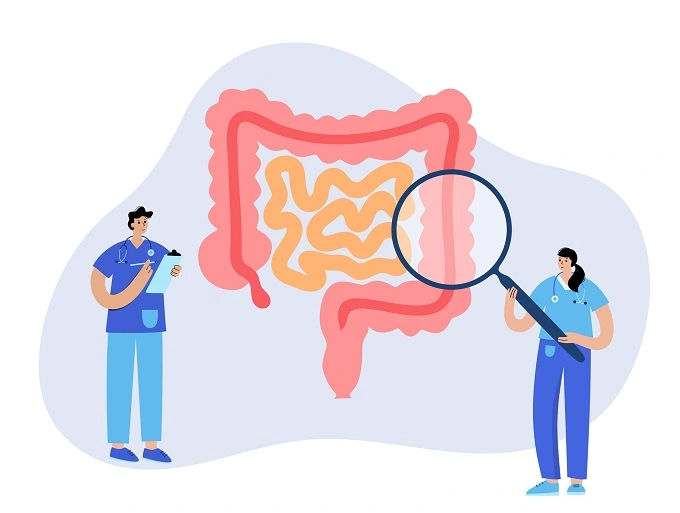
Understanding the Bloating and Weight Connection
Your digestive health directly influences how your body processes food, stores fat and eliminates waste.
Bloating creates a puffy, uncomfortable feeling in your abdomen. It happens when gas builds up in your intestines or when food ferments because your body lacks the right enzymes to break it down properly. This isn’t just uncomfortable; it can slow down your entire digestive process.
When digestion slows, your metabolism follows suit. Food sits in your gut longer than it should, creating more opportunities for fermentation and gas production. Your body also struggles to extract nutrients efficiently, which can trigger cravings and overeating.
Water retention often accompanies digestive inflammation. Your body holds onto fluid as a protective response when your gut lining becomes irritated. This adds extra pounds on the scale and intensifies that bloated sensation.
The connection runs deeper than most people realise. Poor gut bacteria balance affects hormone regulation, including those that control hunger and satiety. An unhealthy microbiome may signal your body to store more fat, particularly around your middle.
If you have any food sensitivities, certain foods can trigger both bloating and weight gain. Lactose creates significant problems for people who can’t digest it properly. Their bodies may react with gas, bloating, and digestive distress after eating dairy foods.
How Food Intolerances Drive Both Issues
Food intolerances create a cascade of problems that affect both your comfort and your waistline.
When you eat something which your body can’t process well, your immune system treats it like an invader. This triggers inflammation throughout your digestive tract, leading to swelling, discomfort, and fluid retention.
The inflammatory response slows everything down. Your metabolism drops as your body diverts energy to dealing with the perceived threat. Meanwhile, partially digested food particles sit in your intestines, fermenting and producing gas.
Common culprits include dairy, gluten, and high-FODMAP foods like onions and beans. Each person’s triggers differ, but the pattern remains consistent: eat the problem food, experience inflammation resulting in bloating and weight fluctuation.
The Role of Digestive Enzymes in Both Conditions
Your body produces natural enzymes to break down proteins, fats, and carbohydrates. When you don’t make enough, food doesn’t break down properly.
Undigested food becomes a feast for gut bacteria which ferment the residual particles, creating gas and bloating. The poor breakdown also means you absorb fewer nutrients, leaving you hungry even after eating.
Enzyme deficiencies become more common as you age. Stress, poor diet, and certain medications also reduce your natural enzyme production. This creates a perfect storm for digestive troubles and weight management challenges.
Supporting your enzyme levels addresses both issues at their source. When food breaks down efficiently, you experience less gas, better nutrient absorption, and improved metabolic function.
Science-Backed Supplements to Address Both Concerns
Based on research, certain supplements offer targeted support:
Digestive Enzyme Supplements
Multi-enzyme formulas provide your body with the tools it needs to break down all macronutrients effectively.
These supplements typically include protease for proteins, lipase for fats, and amylase for carbohydrates. Some also contain cellulase to help with fibre digestion and additional enzymes for specific needs.
Research on multi-enzyme blends shows significant improvements in pain, bloating, fullness, and overall quality of life for people with functional dyspepsia. These findings are based on randomised, double-blind, placebo-controlled studies.
Take enzyme supplements with food or 15-30 minutes before meals for best results. Start with the lowest recommended dose and increase gradually, while monitoring your response. Some people notice improvements within days, whereas others need a few weeks. Related Product.
You can support enzyme function naturally by eating more raw foods, which contain their own enzymes. Papaya and pineapple are particularly rich sources. Chewing thoroughly also helps, as digestion begins in your mouth with salivary enzymes.
To learn more about how these supplements work, visit our detailed guide on digestive enzymes.
Lactase for Dairy-Related Issues
If dairy causes you bloating and digestive distress, lactase supplementation offers targeted relief.
Lactase is the enzyme that breaks down lactose, the sugar found in milk products. Many adults produce less lactase as they age, leading to uncomfortable symptoms after eating dairy.
Studies using 3,000 to 9,000 FCC units of lactase with dairy meals significantly reduce hydrogen breath levels and symptoms like gas, bloating and diarrhoea in those with lactose-intolerance, according to multiple randomised, double-blind trials.
Take lactase tablets immediately before consuming dairy products. The enzyme works best when it mixes with food in your stomach. You’ll need to take it with every dairy-containing meal or snack.
Dosing varies based on how much lactose you’re consuming and your sensitivity level. Start with the package recommendation and adjust based on your response. Some people need higher doses for ice cream than for a glass of milk.
Natural alternatives include choosing lactose-free dairy products or plant-based milk alternatives. Aged cheeses contain less lactose than fresh varieties. Yoghurt with live cultures may be easier to digest because the bacteria help break down lactose.
Consider keeping a food diary to identify exactly which dairy products cause the most trouble. You might find you tolerate some better than others, allowing you to enjoy occasional dairy without discomfort.
Probiotic Supplements for Gut Balance
Your gut microbiome plays a crucial role in both digestive comfort and weight management.
Probiotics are beneficial bacteria that help maintain a healthy balance in your intestines. They crowd out harmful bacteria, reduce inflammation, and support proper digestion of various foods.
Different probiotic strains offer different benefits. Lactobacillus and Bifidobacterium species are most researched for digestive health and weight management. Some strains specifically help reduce bloating, whilst others support fat metabolism. Related Product.
For more information on supporting your gut health naturally, explore our guide on probiotics for digestive health.
Prebiotic Fibres That Support Both Goals
Prebiotics are special fibres that feed your beneficial gut bacteria, helping them thrive and multiply.
Unlike probiotics, which add new bacteria, prebiotics nourish the good bacteria already living in your gut. This strengthens your microbiome from within, creating lasting improvements in digestive health.
Common prebiotic fibres include inulin, fructooligosaccharides (FOS), and galactooligosaccharides (GOS). These fibres resist digestion in your upper intestine, reaching your colon where beneficial bacteria ferment them.
This fermentation produces short-chain fatty acids that reduce inflammation, support gut lining health, and may influence fat metabolism. The process also creates a feeling of fullness that can help with weight management.
Start prebiotic supplements slowly. Begin with 2-5 grams daily and increase gradually over several weeks. Taking too much too quickly can temporarily increase bloating as your gut bacteria adjust.
Some prebiotic supplements, such as inulin, are not suitable for those following a low-FODMAP diet. Instead try baobab powder, a prebiotic rich in fibre, vitamins and minerals. Read more about inulin and baobab.
Combine prebiotics with probiotics for maximum benefit. This synergistic approach, called synbiotics, gives you the beneficial bacteria as well as the fuel they need to flourish. Learn more about this powerful combination in our article on probiotics and prebiotics.

Additional Supplements for Targeted Support
Beyond digestive enzymes and probiotics, several other supplements address specific aspects of bloating and weight management.
Magnesium for Digestive Regularity
Magnesium plays multiple roles in digestive health and metabolic function.
This mineral helps relax the muscles in your intestinal walls, promoting regular bowel movements. Constipation often contributes to bloating, so improving regularity can significantly reduce that uncomfortable full feeling.
Magnesium also supports hundreds of enzymatic reactions in your body, including those involved in energy production and fat metabolism. Adequate levels help maintain healthy blood sugar control, which influences hunger and weight management.
Different forms of magnesium offer varying benefits. Magnesium citrate has a mild laxative effect, making it useful for occasional constipation. Magnesium glycinate absorbs well without the laxative action, supporting overall magnesium status. If you wish to know more about which magnesium supplement will be best for you read our guide on magnesium malate vs glycinate.
Most adults need 310-420 mg of magnesium daily from all sources. Start with 200 mg from supplements and increase if needed, watching for loose stools as a sign you’ve reached your limit.
Food sources include leafy greens, nuts, seeds, whole grains, and legumes. Dark chocolate also provides magnesium, though in moderation. Eating magnesium-rich food regularly reduces your need for supplements.
Peppermint Oil for Digestive Comfort
Peppermint oil offers natural relief for bloating and digestive spasms.
The menthol in peppermint relaxes smooth muscle tissue in your digestive tract. This can reduce cramping, ease the passage of gas, and relieve that tight, bloated feeling.
Use enteric-coated peppermint oil capsules rather than regular peppermint supplements.
The coating prevents the oil from releasing in your stomach, where it might cause heartburn. Instead, it releases in your intestines where you need it most.
Peppermint tea provides milder benefits. Drink it after meals to aid digestion and reduce gas. The warm liquid itself can also soothe your digestive system and promote relaxation. Related product.
Avoid peppermint if you have gastroesophageal reflux disease (GERD), as it can relax the sphincter between your stomach and oesophagus, potentially worsening reflux symptoms.
Ginger for Digestive Function
Ginger has been used for centuries to support digestive health and reduce nausea.
This root contains compounds called gingerols and shogaols that stimulate digestive secretions and support the movement of food through your intestines. Faster transit time means less opportunity for fermentation and gas production.
Ginger also has anti-inflammatory properties that can soothe an irritated digestive tract. This makes it particularly useful if inflammation contributes to your bloating and discomfort.
Fresh ginger offers powerful benefits and may be grated into hot water for tea, added to smoothies, or included in cooking.
Ginger pairs well with other digestive herbs like fennel and chamomile. Creating a digestive tea blend can provide multiple soothing compounds whilst keeping you hydrated.
Vitamin D for Metabolic Health
Vitamin D deficiency links to both digestive issues and weight management challenges.
This vitamin plays roles in immune function, inflammation control, and metabolic regulation. Low levels associate with increased inflammation throughout the body, including the digestive tract.
Research suggests vitamin D influences how your body stores and burns fat. Adequate levels support healthy insulin sensitivity, which affects blood sugar control and hunger regulation.
Most adults need 1,000-2,500 IU daily from supplements, though some require higher doses to correct deficiency. Have your levels tested to determine your specific needs. Related product.
Take vitamin D with a meal containing some fat, as it’s a fat-soluble vitamin that absorbs best with dietary fats. Pairing it with your fish oil or eating it with avocado, nuts, or olive oil improves absorption.
Sunlight exposure triggers natural vitamin D production in your skin. Aim for 10-30 minutes of midday sun several times weekly, exposing arms and legs without sunscreen. This varies by skin tone, latitude, and season.
Food sources include fatty fish, such as salmon and mackerel, egg yolks, and fortified dairy products. Mushrooms exposed to UV light also provide vitamin D2, though D3 from animal sources works more efficiently in your body.
Lifestyle Habits That Enhance Supplement Benefits

Supplements work best when combined with supportive daily habits that address the root causes of bloating and weight gain.
Hydration for Digestive Flow
Water helps fibre move through your intestines, preventing the constipation that contributes to bloating. It also supports the production of digestive juices and helps flush waste products from your system.
your body holds onto fluid. Staying well-hydrated signals your body it’s safe to release stored water.
Aim for 8-10 glasses daily, adjusting based on your activity level, climate, and individual needs. Your urine should be pale yellow; darker colour suggests you need more fluids.
Drink water between meals rather than with them. Large amounts of liquid during eating can dilute digestive enzymes, potentially slowing digestion. Sip small amounts with meals if needed.
Herbal teas count towards your fluid intake while also providing additional digestive benefits. Chamomile, ginger and fennel teas all support gut health as well as keeping you hydrated. Related product.
Mindful Eating Practices
How you eat matters as much as what you eat when addressing bloating and weight concerns.
Eating too quickly causes you to swallow air, which contributes to bloating. It also prevents your brain from registering fullness signals so may cause you to eat more than you need.
Chew each bite thoroughly, aiming for 20-30 chews before swallowing. This breaks food into smaller particles and mixes it with salivary enzymes, starting digestion in your mouth.
Stop eating when you’re 80% full. It takes 20 minutes for your brain to register satiety signals from your stomach. Leaving a bit of room prevents that overstuffed feeling.
Movement for Digestive Health
Regular physical activity supports both digestive function and weight management.
Exercise stimulates the natural contractions of your intestinal muscles, moving food and gas through your system more efficiently. Even a 10-minute walk after meals can reduce bloating and improve digestion.
Physical activity also reduces stress, which directly impacts digestive health. Stress slows digestion and can trigger symptoms in people with sensitive stomachs.
For weight management, combine aerobic exercise with strength training. Cardio burns calories during the activity, whilst muscle-building increases your resting metabolic rate, helping you burn more calories throughout the day.
Start with what you can do consistently. Three 10-minute walks daily provide similar benefits to one 30-minute session. The key is regular movement rather than intense occasional workouts.
Yoga offers specific benefits for digestive health. Certain poses massage your abdominal organs and promote movement through your intestines. Twisting poses are particularly helpful for relieving gas and bloating.
Sleep for Metabolic Balance
Quality sleep hugely affects both digestive health and weight management.
Poor sleep disrupts hunger hormones, increasing ghrelin (which stimulates appetite) and decreasing leptin (which signals fullness). This makes you feel hungrier throughout the day and more likely to crave high-calorie foods.
Sleep deprivation also increases cortisol, your stress hormone. Elevated cortisol promotes fat storage, particularly around your midsection, and can trigger digestive inflammation.
Aim for 7-9 hours of quality sleep nightly. Maintain consistent sleep and wake times, even on weekends, to support your body’s natural rhythms.
Avoid eating large meals within three hours of bedtime. Late eating can disrupt sleep and cause digestive discomfort that keeps you awake. If you need an evening snack, choose something light and easy to digest.
Create a relaxing bedtime routine that signals your body it’s time to wind down. Dim lights, avoid screens, and try calming activities like reading or gentle stretching.
Stress Management for Gut Health
Your gut and brain communicate constantly through the gut-brain axis, making stress management crucial for digestive health.
Stress triggers your fight-or-flight response, which diverts blood flow away from your digestive system. This slows digestion, potentially causing bloating, cramping, and other uncomfortable symptoms.
Chronic stress also alters your gut bacteria balance, favouring harmful bacteria over beneficial ones. This shift can increase inflammation and worsen both digestive symptoms and weight management challenges.
Practice daily stress reduction techniques that work for your lifestyle. Deep breathing exercises, meditation, or progressive muscle relaxation can all activate your relaxation response in just 5-10 minutes.
Regular exercise doubles as stress management, releasing endorphins that improve mood whilst supporting physical health. Find activities you genuinely enjoy so they feel like fun rather than another obligation.
Consider whether ongoing stress from work, relationships, or other sources might be contributing to your symptoms. Addressing the root cause should be your first line of action. For additional support with stress-related concerns, explore our article on supplements to reduce cortisol.
Foods That Naturally Combat Bloating and Support Weight Loss

Certain whole foods provide the same compounds found in supplements whilst offering additional nutrients and fibre.
Prebiotic Food Sources
- Chicory root
- Jerusalem artichoke
- Garlic
- Onions
- Leeks
- Asparagus
- Bananas (slightly green)
Fermented Foods for Probiotic Benefits
- Yoghurt: Yoghurt with live cultures provides multiple probiotic strains.
- Kefir: This offers even more diverse bacterial strains than yoghurt and also contains beneficial yeasts that support gut health.
- Sauerkraut and kimchi: They probiotics plus prebiotic fibres from the vegetables. They’re also low in calories whilst being highly flavourful, making them perfect additions to meals when you’re managing weight.
- Miso paste: Add it after cooking to preserve the live bacteria.
- Kombucha: Delivery probiotics in drink form. Watch for added sugars.
Anti-Inflammatory Foods
Chronic inflammation contributes to both digestive discomfort and difficulty losing weight. Include anti-inflammatory foods such as:
- Fatty fish – salmon, mackeral, sardines provides omega-3 fatty acids reduce inflammation in your body.
- Leafy Greens – Spinach, kale, rocket provide antioxidants, fibre and magnesium to support gut health whilst being low in calories
- Berries – Contain powerful anti-inflammatory compounds as well as fibre to help keep you full.
- Turmeric – The active compound, curcumin, is a potent anti-inflammatory. It can be added to curries or smoothies. Add black pepper to enhance absorption.
- Extra virgin olive oil – contains healthy fats and polyphenols to reduce inflammation.
High-Fibre Foods for Satiety and Digestive Health
Fibre keeps you feeling full longer whilst supporting healthy digestion and regular bowel movements.
- Legumes: lentils, chickpeas, and black beans, provide both soluble and insoluble fibre. They’re also rich in protein, which supports weight management by increasing satiety and preserving muscle mass.
- Whole grains: oats, quinoa, and brown rice provide sustained energy as well as keeping you feeling full. Choose these over refined grains, which lack fibre and cause rapid blood sugar spikes
- Vegetables: they’re low in calories but high in volume, helping you feel satisfied without overeating. The variety of fibres supports diverse gut bacteria.
- Chia and flax seeds: they provide soluble fibre that forms a gel in your stomach, slowing digestion and promoting fullness. Grind flax seeds before eating to access their nutrients or purchase vacuum packed milled flax seed.
Foods to Limit or Avoid
Some foods commonly trigger bloating or make weight management more difficult.
- Processed foods often contain additives, excessive sodium, and refined carbohydrates that promote inflammation and water retention. They’re also typically high in calories but low in nutrients, leaving you hungry again quickly.
- Artificial sweeteners can alter gut bacteria balance and may increase cravings for sweet foods. Some people also experience digestive upset from sugar alcohols like sorbitol and xylitol.
- Carbonated beverages introduce gas into your digestive system, directly causing bloating.
- High-sodium foods promote water retention, making you feel puffy and bloated.
- Fried and fatty foods slow gastric emptying, keeping food in your stomach longer. This can cause feelings of fullness and bloating whilst also adding excessive calories.
When to Seek Professional Guidance
Whilst supplements and lifestyle changes help many people, some situations require medical evaluation.
Persistent bloating that doesn’t improve with dietary changes and supplements might indicate an underlying condition such as inflammatory bowel disease (IBS), or small intestinal bacterial overgrowth (SIBO).
Unexplained weight gain or inability to lose weight despite consistent effort could signal thyroid problems, hormonal imbalances, or metabolic disorders. These conditions require proper diagnosis and treatment. For women experiencing hormonal concerns, our guide on vitamins to balance hormones for females may provide helpful context.
Severe or sudden abdominal pain, blood in stools, or dramatic changes in bowel habits warrant immediate medical attention. These symptoms could indicate serious conditions requiring professional care.
Work with a healthcare provider or registered dietitian if you’re unsure which supplements are appropriate for your situation. They can help identify specific deficiencies, rule out underlying conditions, and create a personalised plan.
Some supplements interact with medications or are not appropriate for certain health conditions. Professional guidance ensures you’re taking supplements safely and effectively.
Tips For Your Supplement Plan
- Identify your primary concern: bloating after specific foods, weight loss, digestive comfort?
- Start with one or two supplements instead of trying everything at once. This will help you identify what works for you.
- Give each supplement at least four weeks to establish if it’s working. Gut health changes take time and may not provide immediate results.
- Review your supplement routine very few months. Your needs may change as your health improve or your lifestyle shifts.
- Remember that supplements work best alongside whole-food nutrition, adequate hydration, regular movement, quality sleep, and stress management.
Supplement Quick Reference Guide
This table provides general starting points. Your individual needs may vary based on body weight, severity of symptoms, and other factors. Always start at the lower end of dosing ranges and increase gradually.
| Supplement Type | Primary Benefit | Best Timing | Starting Dose |
| Multi-enzyme | Overall digestion support | Before or with meals | Per package directions |
| Lactase | Dairy digestion | With dairy intake | 3,000-9,000 FCC units |
| Probiotics | Gut bacteria balance | Morning on empty stomach | 10-20 billion CFU |
| Prebiotics | Feeds beneficial bacteria | With food | 2-5 grams daily |
| Magnesium | Digestive regularity | Evening with food | 200mg |
| Vitamin D | Metabolic support | With fatty meal | 1,000-2,000 IU |
Our Promise
When it comes to keeping you informed on health and nutrition, we’re here for you and aim to help where we can. If you would like to discuss any aspect of using natural supplements, or would find advice helpful, please feel free to contact us on 01297 553932