

Related Product
 L-Citrulline Powder
Have you ever wondered why your muscles burn during a sprint but not during a gentle walk? The answer lies in how your cells produce energy.
The fundamental difference between aerobic and anaerobic respiration comes down to oxygen usage and energy output which produces adenosine triphosphate (ATP), the primary energy-carrying molecule produced by both aerobic and anaerobic respiration.
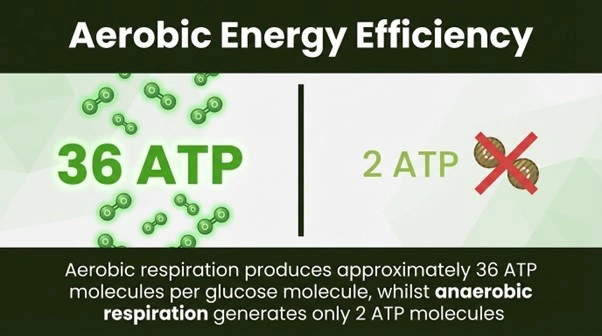
Aerobic respiration requires oxygen and produces approximately 36 ATP molecules per glucose molecule, while anaerobic respiration functions without oxygen but generates only 2 ATP molecules from the same glucose. This massive 18-fold difference in energy production determines which system your body uses during different activities.
Understanding these two energy pathways helps you optimise everything from workout performance to dietary choices. Your cells constantly switch between these systems based on oxygen availability and energy demands.
Let’s explore how these processes work when your body uses each one, and what this means for your health and fitness goals.
The Cellular Energy Basics: How Your Body Powers Itself
Every movement you make requires energy in the form of adenosine triphosphate (ATP); energy-carrying molecules. Your cells produce this molecular fuel through cellular respiration processes.
Think of ATP as your body’s rechargeable battery. Your cells break down nutrients like glucose to create ATP, which then powers everything from muscle contractions to brain function.
What is Aerobic Respiration?
Aerobic respiration is your body’s most efficient energy production system. This process occurs in your cells’ mitochondria when oxygen is readily available.
The process transforms glucose and oxygen into carbon dioxide, water, and substantial amounts of ATP. Your body easily eliminates carbon dioxide through breathing. Plants, on the other hand, recycle it during photosynthesis.
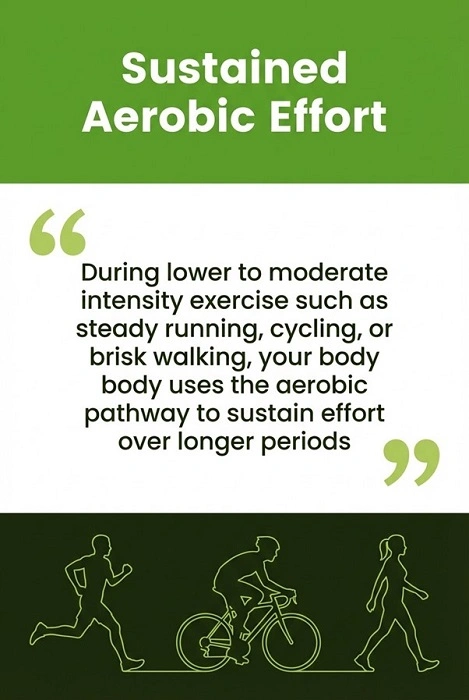
Your cells use aerobic pathways during sustained, moderate activities. During lower to moderate intensity exercise such as steady running, cycling, or brisk walking, your body uses the aerobic pathway to sustain effort over longer periods.
This efficiency comes at a cost. Aerobic respiration requires more time to produce ATP compared with anaerobic methods.
What is Anaerobic Respiration?
When oxygen isn’t available quickly enough, your cells switch to anaerobic respiration. This system kicks in during high-intensity activities that demand immediate energy.
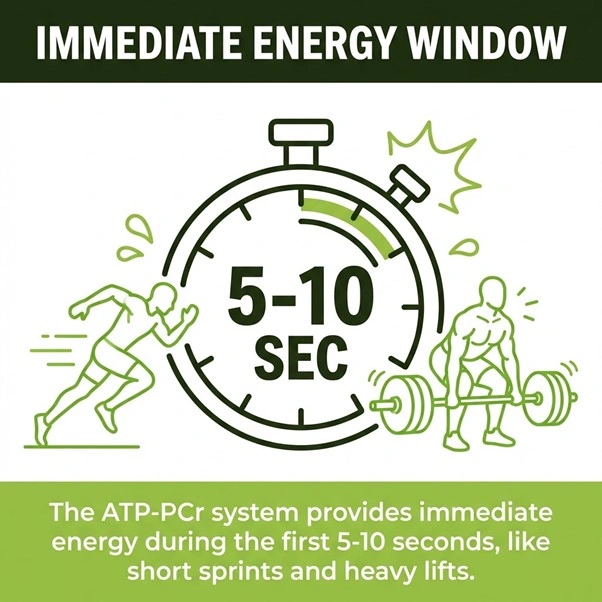
Anaerobic energy systems include the ATP-PCr system for immediate energy during the first 5-19 seconds of activities (such as short sprints and heavy lifts), and the glycolytic system (cellular energy generated by glucose) for 30-120 seconds (as in high intensity intervals).
The glycolytic system uses cellular energy generated by glucose and is the process the body switches to in the absence of oxygen. The glucose it uses comes from your blood sugar or from glycogen stored in your muscle tissue.
The trade-off is significant. While anaerobic respiration delivers energy rapidly, it produces far less ATP per glucose molecule.
Your body also creates different byproducts during anaerobic respiration. In animals, lactic acid builds up in muscles, causing that familiar burning sensation. Plants and yeast produce ethanol instead through fermentation.
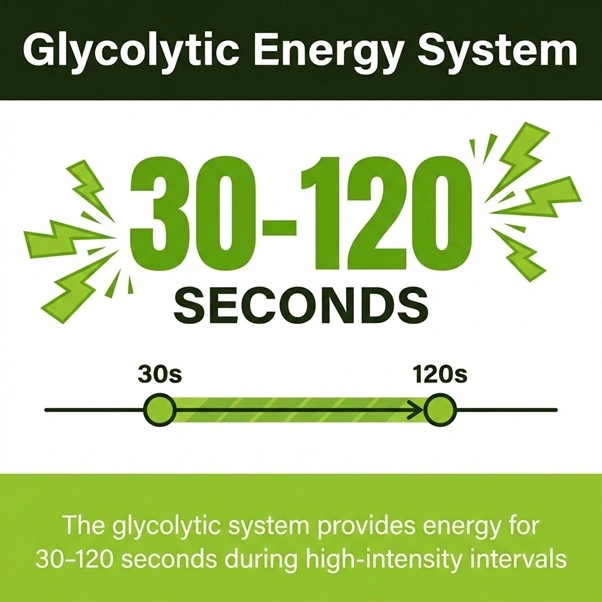
When powering 30–120 seconds of high-intensity work, the glycolytic system contributes to lactate accumulation.
Energy Output: Why Oxygen Makes Such a Difference
The oxygen variable dramatically affects how much energy your cells extract from food. This difference shapes your entire approach to exercise and nutrition.
Comparing ATP Production Rates
Aerobic metabolism yields approximately 36 molecules of ATP per molecule of glucose, while anaerobic pathways generate only 2 molecules of ATP from the same glucose molecule—a dramatic efficiency gap.
| Respiration Type | Oxygen Required | ATP per Glucose | Primary Use Case |
| Aerobic | Yes | 36 ATP molecules | Sustained moderate activity |
| Anaerobic | No | 2 ATP molecules | Short bursts or intense activity |
This explains why you can walk for hours but sprint for only seconds. Your aerobic system sustains prolonged effort through superior energy production.
When Your Body Switches Between Systems
Your cells don’t use just one system at a time. Instead, they blend both pathways based on current demands.
During rest or gentle activity, aerobic respiration dominates. Your breathing easily supplies enough oxygen for efficient energy production.
As intensity increases, anaerobic pathways contribute more. A moderate jog might use 80% aerobic and 20% anaerobic energy. An all-out sprint flips this ratio dramatically.
The transition isn’t abrupt. Your body gradually shifts between systems as oxygen demand changes.
What This Means for Your Workouts and Recovery
Understanding these energy systems transforms how you approach exercise and recovery. Each pathway demands different training strategies and nutritional support.
Developing Your Aerobic Capacity
Aerobic training builds your body’s ability to use oxygen efficiently. Your mitochondria increase in number during training to match the augmented aerobic scope.
Focus on activities you can sustain for extended periods. Steady cycling, swimming, or jogging at a conversational pace strengthens this system.
Consistency matters more than intensity for aerobic development. Regular sessions of 30-60 minutes produce better results than sporadic intense efforts.
Your diet plays a crucial role too. Complex carbohydrates from whole grains, fruits, and vegetables provide steady glucose for aerobic metabolism. Healthy fats from nuts, avocados, and olive oil support sustained energy production.
Developing Anaerobic Power
Anaerobic training requires short, intense bursts of effort. This type of exercise particularly challenges your muscles and recovery systems.
Try interval training sessions. Sprint for 20-30 seconds, then rest for 1-2 minutes. Repeat this cycle 6-8 times.
Heavy resistance training also relies heavily on anaerobic pathways. Lifting weights for 8-12 repetitions depletes ATP quickly, triggering anaerobic energy production.
Recovery demands special attention after anaerobic workouts. Your body needs to clear lactic acid and replenish ATP stores.
Optimising Recovery Through Natural Methods
Recovery depends on multiple factors including hydration, training load, nutrition, sleep, and overall health. Each element supports your cells’ ability to restore energy systems.
Oxygen plays a vital role in aerobic energy production and lactate metabolism. Deep breathing exercises after intense workouts help clear metabolic byproducts such as CO2 and lactate. CO2 is carried in the blood to the lungs where it is breathed out, but lactate cannot be exhaled. It is a fuel for the body which is moved on and recycled. However, the process by which it is reused also requires a good oxygen supply, so deep breathing is equally important for the moving on of lactate as it is for exhaling CO2.
Stay hydrated with water and electrolyte-rich foods like coconut water or watermelon. These support cellular processes which restore ATP levels.
Sleep provides essential recovery time. During deep sleep, your body repairs muscle tissue and replenishes energy stores most efficiently.
Anti-inflammatory foods speed recovery naturally. Berries, leafy greens, fatty fish, and turmeric reduce inflammation from intense anaerobic activity. Your gut health also influences recovery, as nutrient absorption depends on proper digestive function.
Fuelling Both Energy Systems with Diet
Your food choices directly impact how efficiently your cells produce energy through both pathways. Natural whole foods provide the building blocks for optimal cellular respiration.
Supporting Aerobic Metabolism
Aerobic respiration thrives on steady nutrient availability. Complex carbohydrates release glucose gradually, maintaining consistent ATP production.
Excellent choices include oats, quinoa, sweet potatoes, and brown rice. These foods provide sustained energy without blood sugar spikes.
B vitamins from whole grains, legumes, and leafy greens support the enzymatic processes in aerobic respiration. Your mitochondria need these nutrients to function optimally.
Iron from spinach, lentils, and lean meats helps transport oxygen to cells. Without adequate iron, even abundant oxygen can’t support efficient aerobic metabolism.
Preparing for Anaerobic Demands
Anaerobic energy production relies on immediately available glucose. Your muscles store this as glycogen between workouts.
Consume easily digestible carbohydrates before high-intensity activities. Bananas, dates, or honey provide quick glucose without digestive stress.
After intense anaerobic exercise, your body needs protein for muscle repair and carbohydrates to restore glycogen. A post-workout smoothie with fruit and Greek yoghurt addresses both needs naturally.
Magnesium from pumpkin seeds, dark chocolate, and almonds supports ATP synthesis. This mineral is essential for converting stored energy into usable ATP.
The Role of Antioxidants in Energy Production
Both respiration types produce reactive oxygen as byproducts. Antioxidants from colourful fruits and vegetables protect your cells from this oxidative stress.
Berries, citrus fruits, and dark leafy greens provide vitamin C and polyphenols. These compounds safeguard mitochondrial membranes where aerobic respiration occurs.
Green tea contains catechins that support cellular energy production. Regular consumption may help with both aerobic capacity and recovery.
Support From Supplements
Natural recovery strategies work remarkably well but there may be times when having the extra support provided by targeted, high-quality dietary supplements can provide reassurance that all areas of cellular energy are covered.
Here are some top supplements for ensuring you have the maximum support in fuelling both energy systems:
Nitric Oxide Production
Nitric oxide is a molecule naturally produced by your body. It works as a vasodilator to relax blood vessels and regulate blood pressure, making it important for heart health and sporting/athletic performance. It is also a major player in helping with sexual problems such as erectile dysfunction.
During adulthood, levels of naturally produced nitric oxide decline, but various supplements can help boost your body’s own production, helping to maintain the benefits of a healthy circulation. Read more about Nitric Oxide
Related product – N.O Max Powder
L-Citrulline
A non-essential amino acid, L-citrulline is known to increases nitric oxide levels in the blood, relaxing hardened artery walls and helping to increase blood flow throughout the body.
Related product – L-Citrulline Powder
Creatine
Made up of amino acids, creatine is stored in muscle tissue. The most researched and widely used form is creatine monohydrate.
Creatine monohydrate can support your body’s ATP energy system, making it a valuable supplement if you are engaged in short, intense activities such as lifting weights or sprinting. It has been found to increase strength and power output, improve exercise performance and may help with muscle growth over time.
Related product – Creatine Monohydrate Powder.
Beetroot Extract
One of nature’s powerful nitric oxide boosters, along with other natural compounds such as green coffee bean extract, green tea extract, turmeric extract, tart cherry, blueberry, broccoli and kale, beetroot extract is well known for its support in achieving a healthy blood flow.
Related product – N.O Max Powder
NOTE: N.O. Max Powder, whilst containing beetroot extract, also contains other powerful nitric oxide boosters such as L-citrulline, amaranth extract, maritime pine bark, panax Korean ginseng extract and niacinamide.
Omega-3
Omega-3 cannot be produced by your body so has to be gained from diet (usually fish oil or dairy sources) or by supplement. This essential fatty acid supports heart, brain, and joint health.
Related product – Vegan Omega-3 Capsules
Magnesium
This mineral is vital for the conversion of stored energy into ATP.
Related product – Magnesium Bisglycinate
Health Implications Beyond Exercise Performance
Understanding cellular respiration extends far beyond workout optimisation. These processes influence everything from disease prevention to longevity.
Metabolic Health and Energy Systems
Efficient cellular respiration greatly protects against metabolic disorders. When cells can’t process glucose effectively through aerobic pathways, blood sugar regulation suffers.
Type 2 diabetes is often the result of impaired mitochondrial function. Your cells struggle to use glucose aerobically, leading to elevated blood sugar levels.
Supporting healthy glucose metabolism through diet and exercise strengthens both energy pathways. Regular aerobic activity improves insulin sensitivity and mitochondrial density.
Natural approaches work effectively. Cinnamon, berries, and leafy greens when included regularly in your diet can support healthy blood sugar regulation without pharmaceutical intervention.
Brain Function and Cellular Energy
Your brain needs enormous amounts of adenosine triphosphate (ATP – the primary energy currency of the cell), despite comprising only 2% of body weight. Neurons rely almost exclusively on aerobic respiration for this energy.
Cognitive decline often correlates with reduced mitochondrial function. When brain cells can’t produce sufficient ATP aerobically, mental performance suffers.
Supporting brain energy metabolism through proper nutrition and lifestyle habits maintains mental clarity. Omega-3 fatty acids from walnuts, flaxseeds, and fatty fish support mitochondrial health.
Neurotransmitter production requires cellular energy from aerobic respiration processes. Without adequate ATP, your brain can’t synthesise essential chemicals like dopamine and serotonin effectively.
Cardiovascular Health and Oxygen Delivery
Your cardiovascular system’s primary job is delivering oxygen for aerobic respiration. Heart and blood vessel health directly determines cellular energy production capacity.
Regular aerobic exercise strengthens your heart muscle. A stronger heart pumps more blood per beat, delivering oxygen more efficiently to working tissues.
Natural foods as well as certain supplements support cardiovascular function effectively. Beetroot increases nitric oxide production, improving blood flow. Garlic and onions support healthy blood pressure and circulation.
Proper hydration maintains blood volume, ensuring efficient oxygen transport. Even mild dehydration compromises aerobic metabolism by reducing oxygen delivery to cells.
Practical Applications for Daily Life
This knowledge transforms everyday decisions about movement, eating, and recovery. Small adjustments compound into significant health improvements.
Structuring Your Weekly Activity

Balance both energy systems throughout your week. This approach builds complete fitness whilst preventing overtraining.
- Schedule 3-4 aerobic sessions weekly. These might include 30-minute walks, cycling commutes, or swimming sessions. Maintain a pace where conversation remains comfortable.
- Add 1-2 anaerobic sessions for power and strength. Try bodyweight exercises, resistance training, or sprint intervals. Keep these sessions intense but brief.
- Include active recovery days using gentle movement. Yoga, stretching, or leisurely walking will all promote blood flow without depleting energy stores.
Timing Meals Around Energy Demands
Coordinating eating patterns with your energy system usage optimises performance and recovery naturally.
- Eat 1-2 hours before aerobic activities. Choose easily digestible carbohydrates with some protein. A bowl of oatmeal with berries works perfectly.
- Eat 30-60 minutes before anaerobic training, Quick carbohydrates like fruit provide immediately available glucose without digestive discomfort.
- Post-exercise nutrition should match the energy system used. After aerobic work, replace fluids and eat balanced meals. Following anaerobic sessions, prioritise protein and carbohydrates within 30-60 minutes.
Building Sustainable Energy Habits
Long-term metabolic health requires consistent attention to both respiration pathways. Small daily practices accumulate substantial benefits.
- Take movement breaks every hour during sedentary work. Brief walks activate aerobic metabolism and improve glucose regulation throughout the day.
- Prioritise sleep quality over quantity. Seven to nine hours of deep, uninterrupted sleep allows complete cellular recovery and ATP restoration.
- Manage stress through natural methods. Chronic stress impairs mitochondrial function and shifts metabolism toward less efficient pathways. Deep breathing, meditation, and nature exposure all support healthy cellular respiration.
- Stay consistent with whole food nutrition. Your cells need steady nutrient availability to maintain both energy systems optimally.
Your Next Steps Toward Better Cellular Energy
Start by assessing your current activity balance. Are you neglecting one energy system? Most people focus heavily on either aerobic or anaerobic training whilst ignoring the other.
Review your diet in terms of cellular energy. Are you providing the nutrients your mitochondria need for efficient ATP production?
Today, take two small actions. Choose a 20-minute walk to activate aerobic pathways and add to your diet a serving of berries to support cellular health.
Your cells produce energy every moment of every day. Supporting both aerobic and anaerobic respiration through natural methods creates the foundation for lasting health and vitality.
Our Promise
When it comes to keeping you informed on health and nutrition, we’re here for you and aim to help where we can. If you would like to discuss any aspect of using natural supplements, or would find advice helpful, please feel free to contact us on 01297 553932.