

Related Product
 Mulberry Leaf Extract
Are you doing everything right with your diet but still struggling with energy dips, sugar cravings, or stubborn weight? You might not be alone in that. Insulin resistance is far more common than most people realise, and it often goes undetected for years. The good news is that the science on natural support is genuinely encouraging.
This guide examines the natural compounds which have shown measurable effects on blood sugar regulation and insulin sensitivity in peer-reviewed research. We highlight what that research actually says, how much we need to take, where to find these compounds in food as well as in supplement form, and how they work together.
What Insulin Resistance Is and Why Supplements Can Help
Insulin resistance is a condition in which the body’s cells reduce their response to insulin, the hormone that moves glucose from the bloodstream into tissue for energy. When cells stop listening to insulin’s signal, the pancreas compensates by producing more of it. Over time, this leads to elevated blood sugar, higher insulin levels, and eventually metabolic syndrome or type 2 diabetes.
Most people associate it with sugar and processed food, and yes, diet matters enormously. But low micronutrient status, chronic inflammation, poor gut health, and oxidative stress all contribute. That is exactly where those nutrients in supplement form can help and support. They are not replacements for a good diet and regular movement. They work best alongside both.
If you want to read more about how specific nutrients relate to blood sugar conditions, our guide on supplements for diabetes and metabolic health covers the overlap in detail.
The list of compounds proven to help with blood sugar regulation and insulin sensitivity includes magnesium, mulberry leaf extract, omega-3 fatty acids, probiotics, ashwagandha, vitamin D3, vitamin K2, CoQ10, inulin, resveratrol, pine bark extract, baobab, and ginseng.
Here is an in-depth look at each of these supplements proven to support the problem of insulin resistance:
Magnesium: The Master Mineral for Blood Sugar and Insulin Signalling
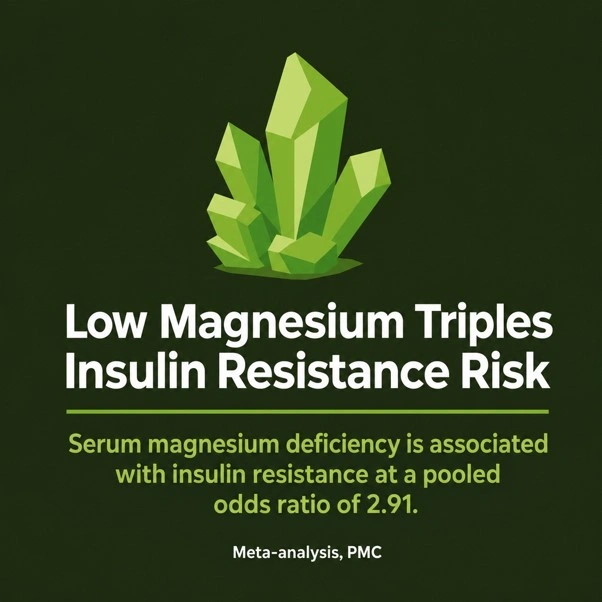
Serum magnesium deficiency is associated with insulin resistance at a pooled odds ratio of 2.91, according to a meta-analysis published in PMC. This means people with low magnesium are nearly three times more likely to have insulin resistance than those with adequate levels.
Magnesium plays a direct role in over 300 enzymatic reactions, many of which govern glucose metabolism and insulin receptor activity. Without adequate magnesium, insulin simply cannot do its job as efficiently. Most adults in the UK consume less than the recommended 300 to 400 mg per day, largely because soil depletion has reduced magnesium levels in vegetables over the past few decades.
The Best Forms of Magnesium
Not all magnesium supplements are equal. Magnesium glycinate is the form most recommended for blood sugar support and sleep, because glycine itself has calming effects and the glycinate form is highly absorbable.
Magnesium citrate is well absorbed and often used for digestive regularity alongside blood sugar support. Magnesium malate combines magnesium with malic acid, which supports energy production in cells, making it a useful option for people with fatigue alongside insulin resistance.
Magnesium oxide, the cheapest and most common form on the high street, is poorly absorbed and rarely worth taking.
Food Sources and Lifestyle Notes
Magnesium is found in dark leafy greens, pumpkin seeds, almonds, dark chocolate, avocado, and legumes. Eating a wide variety of these foods daily is the best dietary strategy. Alcohol and excess caffeine both deplete magnesium, so if either is a regular feature of your routine, that is worth considering. You can read more about the specific benefits of magnesium bisglycinate in our magnesium bisglycinate guide.
Typical dosage: 200 to 400 mg elemental magnesium daily, taken with food. Magnesium glycinate and malate are preferred forms for metabolic support.
Mulberry Leaf Extract: Natural Blood Sugar Balance
Mulberry leaf-derived constituents showed a reported efficacy reducing the relative risk of developing type 2 diabetes by approximately 83.7% in prediabetic mice, according to research published in PMC. That figure comes from animal research and should be interpreted with appropriate caution. But the mechanism behind it is well understood and relevant.
The active compound in mulberry leaf is 1-deoxynojirimycin (DNJ), which inhibits alpha-glucosidase, an enzyme in the small intestine which breaks down carbohydrates into glucose. By slowing this process, mulberry leaf extract reduces the speed at which blood sugar rises after a meal. The practical effect is a flatter post-meal glucose curve, which demands less insulin from the pancreas.
This is why mulberry leaf extract is sometimes referred to by the trademarked form Reducose. In human studies, Reducose has shown meaningful reductions in post-meal blood glucose and insulin spikes when taken before carbohydrate-containing meals.
You can obtain some of the underlying benefit by eating more slowly, chewing food thoroughly, and pairing carbohydrates with fibre, fat, or protein, all of which slow glucose absorption. But mulberry leaf extract offers a targeted, concentrated effect that food-pacing alone cannot replicate.
Typical dosage: 200 to 400 mg of standardised mulberry leaf extract taken 15 to 20 minutes before meals.
Omega-3 Fatty Acids: Essential Support for Insulin Sensitivity
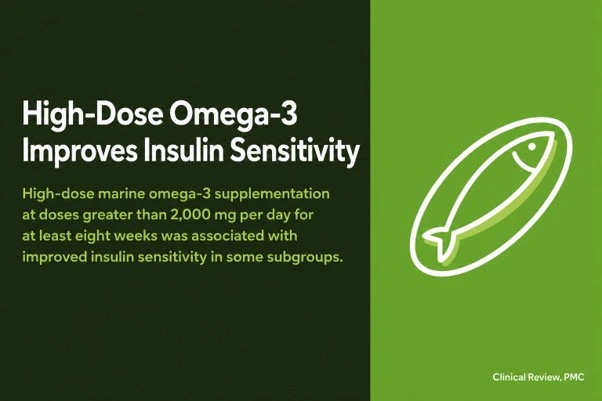
High-dose marine omega-3 supplementation at doses greater than 2,000 mg per day for at least eight weeks was associated with improved insulin sensitivity in some subgroups, according to a clinical review published in PMC. The dose and duration matter here. A standard one-a-day fish oil capsule containing 300 mg of combined EPA and DHA is unlikely to move the needle on insulin resistance.
Omega-3 fatty acids work on several fronts. They reduce chronic inflammation, which is one of the key drivers of cellular insulin resistance. They also support healthy triglyceride levels. High triglycerides are a recognised component of metabolic syndrome, the cluster of conditions that typically accompanies insulin resistance.
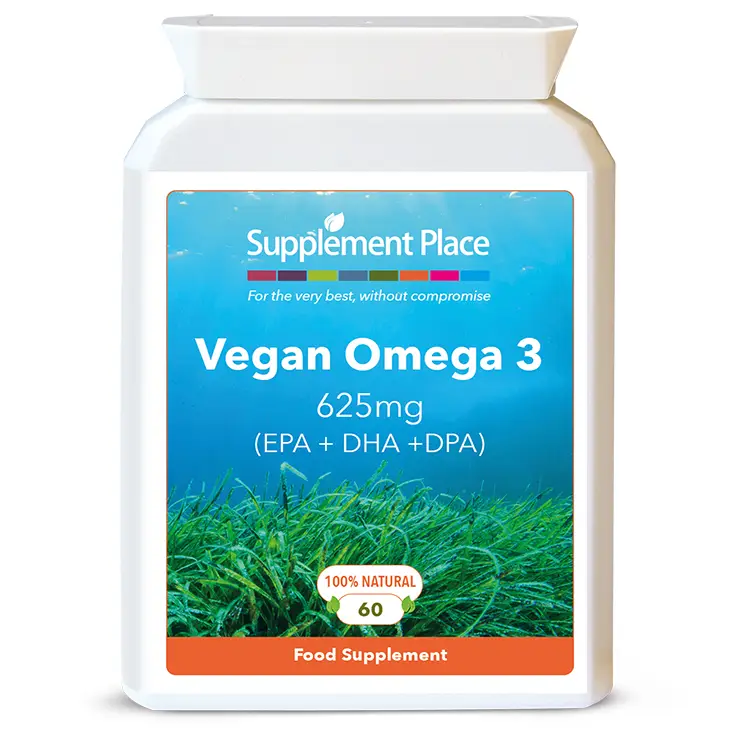
The two active forms are EPA (eicosapentaenoic acid) and DHA (docosahexaenoic acid), both found in oily fish. Plant-based ALA from flaxseed, chia, and walnuts converts poorly to EPA and DHA in the body, so those relying on plant sources may want to consider an algae-based omega-3 supplement, which provides EPA and DHA directly.
Food Sources and Recommended Intake
Sardines, mackerel, salmon, anchovies, and herring are among the richest sources. Eating two to three portions of oily fish per week provides meaningful omega-3 intake. Our longer breakdown of omega-3 benefits and dosing covers the full picture.
Typical dosage: 2,000 to 4,000 mg of combined EPA and DHA daily for insulin sensitivity support, taken with a meal containing fat to aid absorption.
Prebiotics and Probiotics: Building a Stronger Gut Microbiome
Prebiotic fibre intake was associated with improvements in fasting insulin and HOMA-IR, with a mean difference in fasting insulin of minus 6.97 pmol/L, according to a study published in the journal Clinical Nutrition. And probiotic interventions reduced inflammatory markers including CRP, IL-6, and TNF-alpha significantly, as shown in a meta-analysis on PubMed.
These two findings belong together. Inulin is a prebiotic, meaning it feeds beneficial gut bacteria. Probiotics are those bacteria. The gut microbiota plays a well-established role in modulating insulin sensitivity, partly through producing short-chain fatty acids that influence glucose metabolism, and partly through controlling inflammation that would otherwise worsen insulin resistance.
Inulin as a Prebiotic Fibre
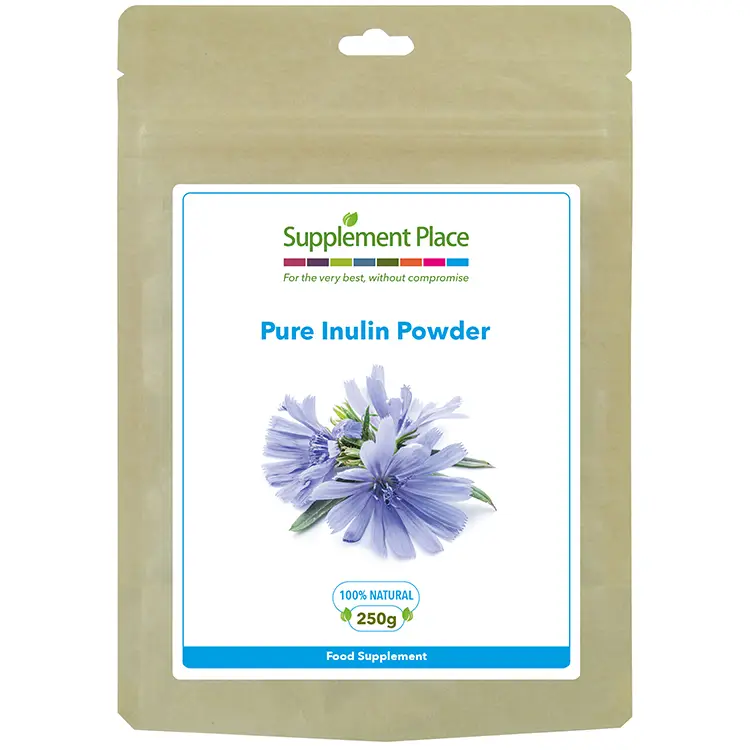
Inulin is a soluble fibre found naturally in chicory root, Jerusalem artichokes, garlic, onions, leeks, and asparagus. It passes undigested to the colon, where it selectively feeds Bifidobacterium and Lactobacillus species. As a supplement, it typically comes as a powder that can be stirred into drinks or yogurt.
The prebiotic and probiotic relationship is worth understanding properly. Taking a probiotic without adequate prebiotic intake is a bit like planting seeds without watering the soil. The bacteria need something to eat and inulin provides that.
Typical inulin dosage: 5 to 10 grams daily, ideally built up gradually to avoid bloating.
Baobab: The African Superfruit That Feeds Your Gut
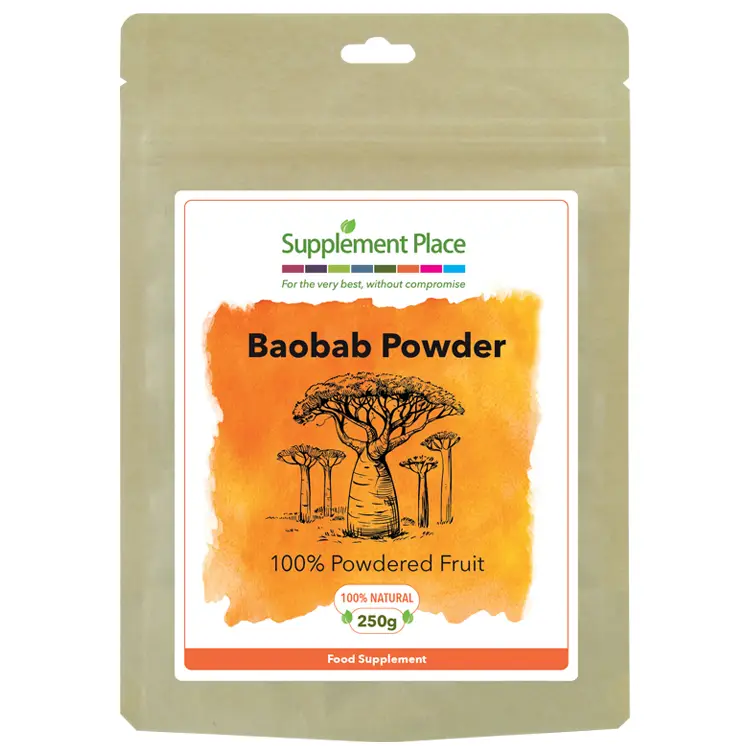
Baobab powder is one of the richest plant sources of prebiotic fibre, providing inulin and other soluble fibres alongside substantial vitamin C, which plays its own role in reducing oxidative stress associated with insulin resistance. The baobab tree, native to sub-Saharan Africa and parts of Australia and the Middle East, produces a fruit whose dried pulp has been used for centuries.
From a blood sugar perspective, baobab’s high fibre content slows gastric emptying and glucose absorption, producing a similar effect to mulberry leaf but through a different mechanism. Its prebiotic fibre content feeds beneficial gut bacteria in the same way inulin does, contributing to the gut microbiome ecosystem that modulates insulin sensitivity.
Baobab is also genuinely one of the highest vitamin C foods on earth, gram for gram. Vitamin C acts as an antioxidant, and oxidative stress is a consistent feature of insulin-resistant metabolic states. Reducing oxidative stress is one of the shared mechanisms linking resveratrol, CoQ10, pine bark extract, and baobab in the same antioxidant cluster.
You can take baobab powder stirred into smoothies, yogurt, or water. It has a pleasant, mildly tangy flavour. For a fuller breakdown of why this fruit deserves more attention, our guide to baobab powder benefits covers the research.
Typical dosage: 5 to 10 grams of baobab powder daily, ideally with meals containing carbohydrates.
Probiotics and Synbiotics
Probiotic supplements contain live bacterial strains. Synbiotics combine probiotics with their preferred prebiotic substrate, essentially a combined product. Both have shown benefit in clinical research on inflammatory markers and insulin-related outcomes. The most studied strains for metabolic health include Lactobacillus acidophilus, Lactobacillus rhamnosus, and Bifidobacterium longum.
Fermented foods are a practical dietary route to probiotic intake. Kefir, live-culture yogurt, sauerkraut, kimchi, and miso all contain beneficial bacteria. Daily consumption of at least one fermented food is a good inclusion to your diet.
Probiotic dosage: products providing 10 to 50 billion CFU daily from multiple strains.
Ashwagandha: The Adaptogen That Targets Stress-Driven Insulin Resistance
Ashwagandha (Withania somnifera) is a well-researched adaptogenic herb with particular relevance to stress-related blood sugar dysregulation. Chronic stress raises cortisol, and sustained high cortisol is one of the most direct routes to elevated blood sugar and worsening insulin resistance. Ashwagandha’s main mechanism is its ability to reduce cortisol and dampen the body’s exaggerated stress response.
Several randomised trials have demonstrated that ashwagandha supplementation measurably reduces cortisol levels and improves stress and anxiety scores. It also shows promise for improving sleep quality, which matters more than most people appreciate. Poor sleep is independently associated with insulin resistance. Even a single night of significant sleep deprivation reduces insulin sensitivity noticeably in healthy people.
As well as lowering cortisol levels, ashwagandha may also influence blood-sugar control in several other ways. Laboratory and animal research suggests that it can inhibit enzymes involved in breaking down carbohydrates, potentially slowing the release of glucose into the bloodstream after a meal. It may also help to preserve the action of hormones that stimulate insulin release, encourage the pancreas to produce insulin and improve the body’s sensitivity to it. In addition, ashwagandha appears to relax blood vessels and has a mild diuretic effect, which may help address the raised blood pressure that often accompanies metabolic syndrome. However, further high-quality human studies are needed to confirm these effects.
From a food-based perspective, there is no direct dietary equivalent to ashwagandha. It is a medicinal herb, not a food, so supplementation is the primary route. What you can do from a lifestyle angle is address the underlying stress load. Regular exercise, adequate sleep, limiting alcohol, and consistent daily routines all reduce the cortisol burden that ashwagandha is working against.
Typical dosage: 300 to 600 mg of a standardised root extract daily. Evening dosing suits most people, given its calming properties.
CoQ10: Fuelling Cellular Energy and Blood Glucose Control
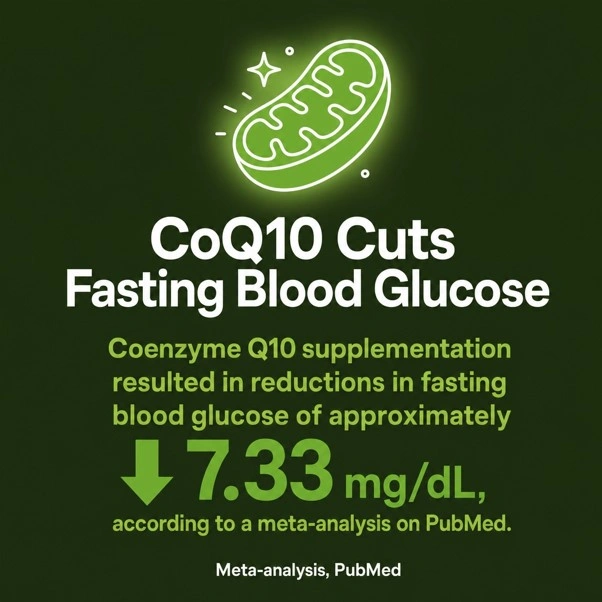
Coenzyme Q10 supplementation resulted in reductions in fasting blood glucose of approximately 7.33 mg/dL, according to a meta-analysis on PubMed. For context, a reduction of that size is clinically meaningful for someone managing prediabetes or early-stage insulin resistance.
CoQ10, or coenzyme Q10, sits at the heart of mitochondrial energy production. Every cell in the body uses CoQ10 to convert nutrients into ATP, the currency of cellular energy. When CoQ10 levels are low, mitochondria become less efficient. Less efficient energy metabolism is directly associated with greater insulin resistance, because muscle cells that cannot produce energy well become less responsive to insulin’s signals.
CoQ10 levels naturally decline with age, which partially explains why insulin resistance tends to worsen as people get older. Statins, widely prescribed for cardiovascular risk, also deplete CoQ10. If you are taking a statin, CoQ10 supplementation is particularly worth discussing with your GP.
The ubiquinol form of CoQ10 is more bioavailable than standard ubiquinone, particularly in people over 40. Dietary sources include organ meats, beef, sardines, and peanuts, though supplemental doses are difficult to achieve through food alone.
Typical dosage: 100 to 300 mg of ubiquinol daily, taken with a meal containing fat to maximise absorption.
Resveratrol: Antioxidant Power for Insulin Sensitivity
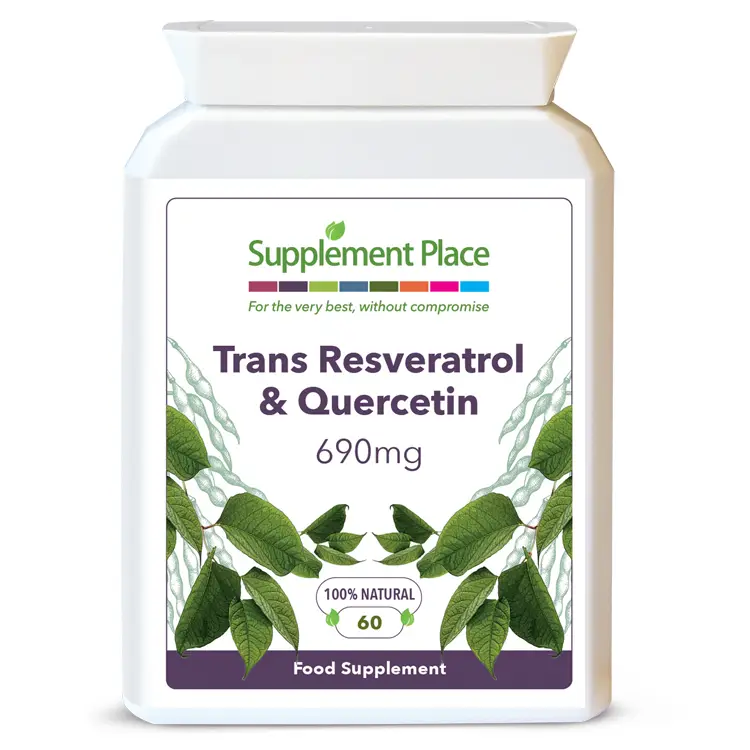
Resveratrol supplementation was associated with a small but significant decrease in HOMA-IR, a standard measure of insulin resistance, with a standardised mean difference of minus 0.297, according to a meta-analysis published in PMC. Small in statistical terms is not the same as insignificant in practice, particularly when resveratrol is used alongside other complementary compounds.
Resveratrol is a polyphenol found naturally in red grape skins, mulberries, peanuts, and Japanese knotweed. It activates sirtuins, a family of proteins involved in cellular repair and metabolic regulation. It also activates AMPK, an enzyme that improves glucose uptake in muscle cells independently of insulin.
The resveratrol, CoQ10, and pine bark extract cluster is worth noting. All three reduce oxidative stress through different pathways. Using them together is not simply additive. Research suggests complementary mechanisms that target different stages of the same inflammatory and metabolic problem. Resveratrol’s anti-inflammatory properties also overlap with omega-3 fatty acids, which is one reason formulations combining multiple ingredients often show stronger outcomes than single-ingredient trials.
Red wine contains resveratrol, but the alcohol content creates more metabolic harm than the resveratrol counters. Grape juice and red grapes provide smaller amounts without that problem. Supplement forms are typically standardised to a consistent dose that food sources cannot reliably deliver. You can explore the full evidence base in our resveratrol benefits guide.
Typical dosage: 150 to 500 mg of trans-resveratrol daily. Trans-resveratrol is the active form. Check labels carefully, as some products list total resveratrol content rather than the active fraction.
Pine Bark Extract: Cardiovascular and Glucose Support
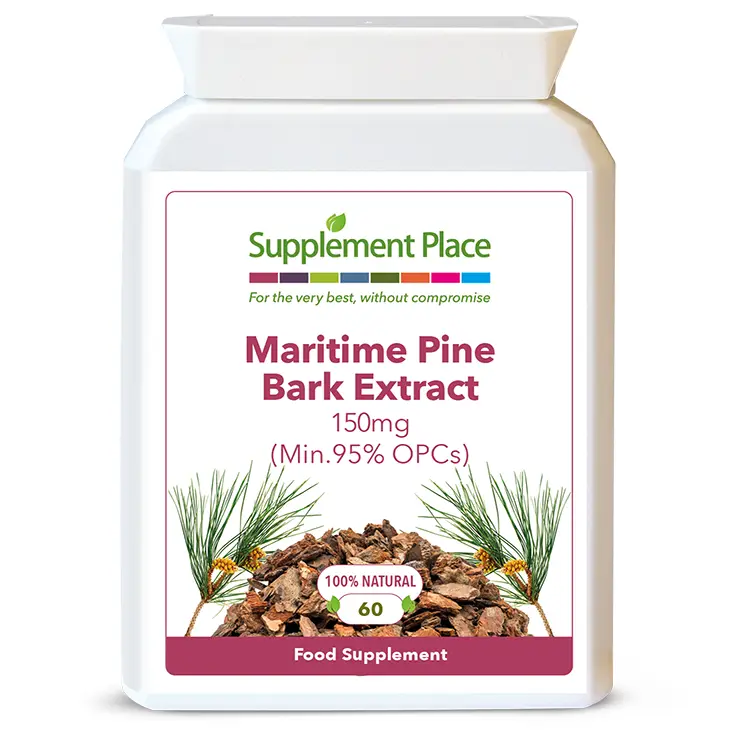
Pine bark extract a mean HbA1c reduction of minus 0.90% in a randomised controlled trial, according to research published in PMC. HbA1c reflects average blood glucose over roughly three months, so a 0.90% reduction represents genuinely meaningful improvement in glucose control.
Pine bark extract is derived from the bark of the pinus pinaster tree and contains a concentrated blend of proanthocyanidins, flavonoids, and phenolic acids. These compounds inhibit alpha-glucosidase (like mulberry leaf), reduce oxidative stress (like resveratrol and CoQ10), and support endothelial function in blood vessels.
The cardiovascular benefits of pine bark extract are particularly relevant because insulin resistance and cardiovascular disease share common mechanisms. Endothelial dysfunction, where blood vessel walls become less responsive, is present in both conditions. Pine bark extract addresses this directly, making it one of the most multi-purpose compounds in this list for people with combined cardiovascular and metabolic concerns.
There is no common food equivalent to concentrated pine bark extract. It is a supplement-specific ingredient. Our dedicated article on the benefits of pine bark extract covers cardiovascular applications in more depth.
Typical dosage: 100 to 200 mg of standardised pine bark extract daily, with food.
Vitamin D3 and K2: The Bone and Metabolic Partnership
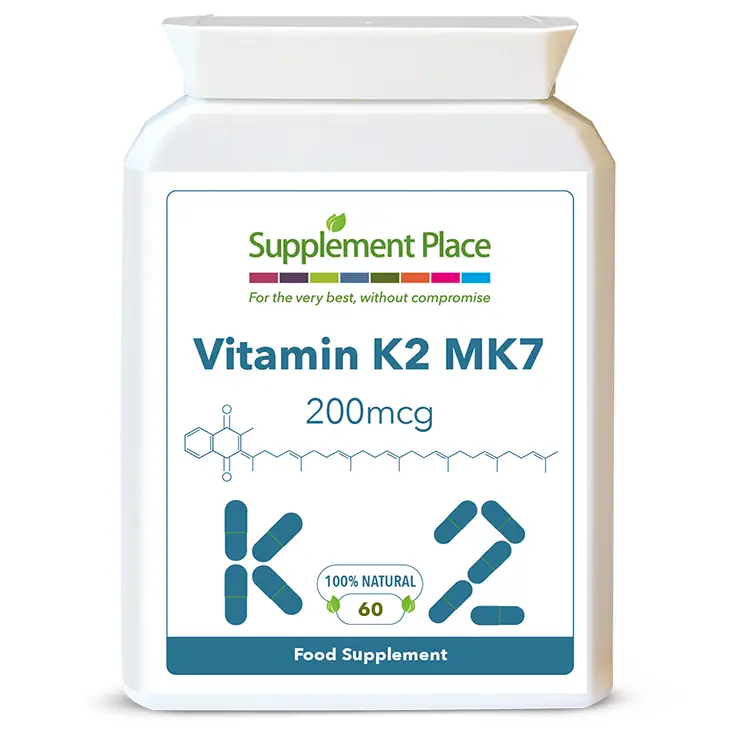
Vitamin D supplementation significantly reduced HOMA-IR (Homeostatic model assessment for insulin resistance) in women with PCOS who may have a high prevalence of insulin resistance, according to a study on PubMed. Meanwhile, vitamin K supplementation produced a mean reduction in HbA1c (glycated haemoglobin) of minus 1.00 percentage point, according to a separate meta-analysis published in PMC.
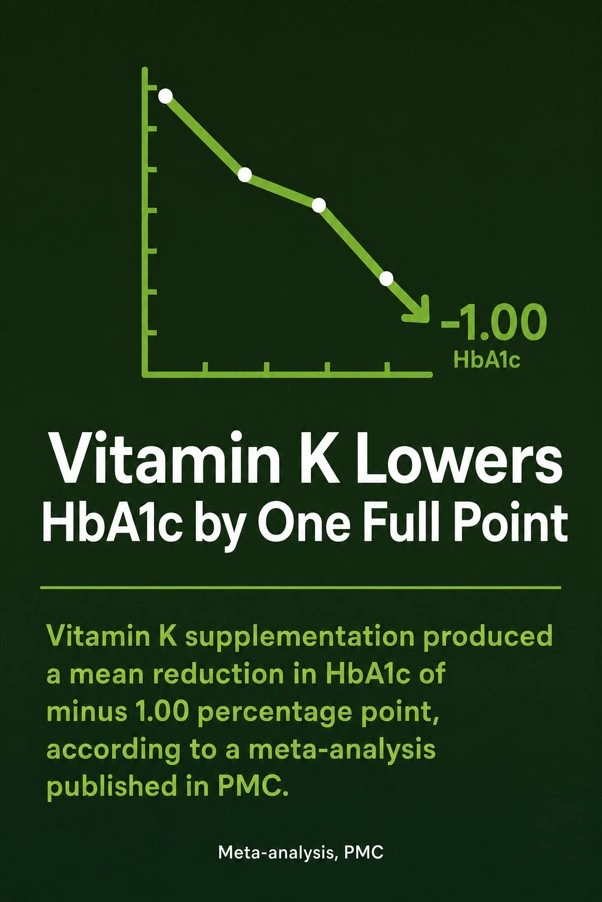
Vitamin K2 stands out: meta-analysis shows an average 1.0 percentage point drop in HbA1c—best used alongside vitamin D3.
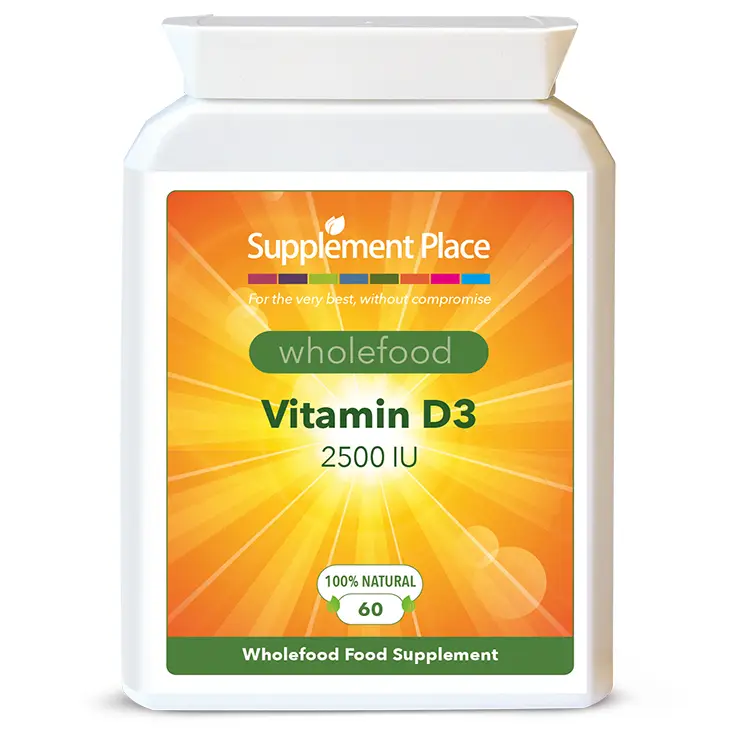
These two nutrients are covered together because they work in genuine synergy. Vitamin D3 improves insulin receptor sensitivity and supports the immune regulation which keeps chronic inflammation in check. Vitamin K2 activates proteins which direct calcium to bones rather than soft tissues, and it also activates osteocalcin, a protein which stimulates insulin production and improves insulin sensitivity in muscle and fat cells.
Taking high-dose vitamin D3 without vitamin K2 is increasingly seen as incomplete, because D3 increases calcium absorption and K2 ensures that calcium ends up in the right places. The D3 and K2 pairing has become standard in well-formulated supplements for good reason.
Vitamin D3 is produced in the skin from sunlight exposure. In the UK, the sun’s angle from October to April is insufficient for meaningful synthesis, which makes supplementation important for most UK residents during the winter months, and often year-round. Vitamin K2 (as MK-7) is found in fermented foods, particularly natto, a Japanese fermented soybean dish. It is also present in smaller amounts in aged cheeses and egg yolks. For a full breakdown of this important pairing, see our vitamin D3 and K2 benefits guide.
Typical dosage: 1,000 to 4,000 IU vitamin D3 daily, paired with 90 to 200 mcg of vitamin K2 (MK-7). Blood testing is the most reliable way to establish the right vitamin D dose for your individual needs. Ask your GP or use an NHS or private test.
Ginseng: The Adaptogen for Energy and Glucose Metabolism
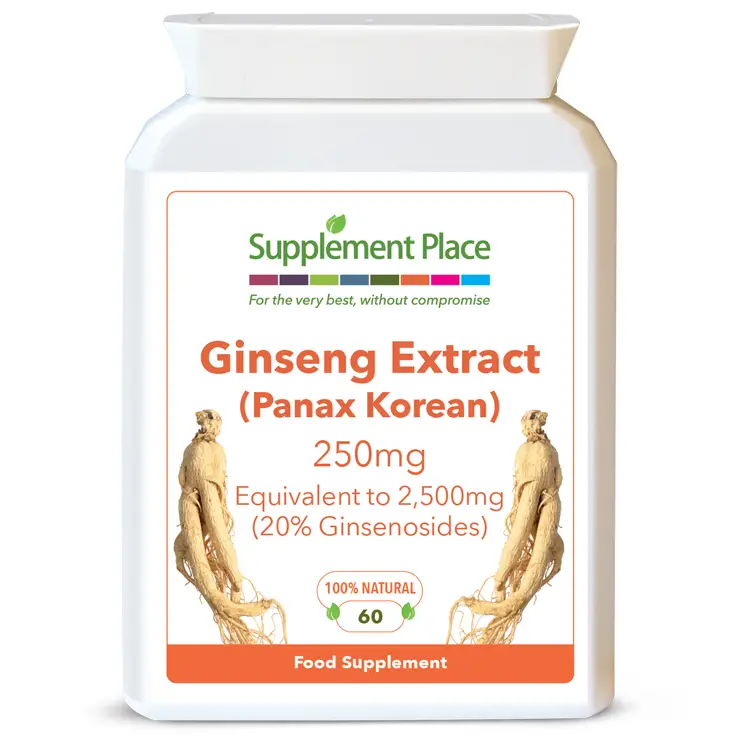
Panax ginseng (Korean red ginseng) is one of the most studied adaptogens for blood sugar regulation. Its active compounds, called ginsenosides, improve insulin secretion from the pancreas and increase insulin sensitivity in peripheral tissues. Ginseng also supports the adrenal axis, much like ashwagandha, reducing the cortisol-driven disruption to blood sugar that chronic stress causes.
The ginseng and ashwagandha combination represent the adaptogen cluster in this context. Both reduce cortisol and improve energy regulation. Where they differ is that ginseng tends to be more stimulating and is generally taken in the morning, whilst ashwagandha is more calming and suits evening use. Using both together can provide support across the full cortisol curve throughout the day.
Ginseng also belongs in the immune support cluster. It modulates immune function in ways that reduce the chronic low-grade inflammation characteristic of insulin resistance. This overlaps with the benefits of vitamin D and omega-3 in the immune regulation picture.
Korean red ginseng is available in the diet in small amounts through ginseng tea and traditional Asian dishes, but therapeutic doses require supplementation. Look for products standardised to at least 5% ginsenosides for consistency.
Typical dosage: 200 to 400 mg of standardised Panax ginseng extract daily, preferably in the morning as it can affect sleep if taken late.
How These Supplements Work Together
Several of the supplements covered here work better in combination than alone. The gut health cluster (inulin, probiotics, baobab) functions as an ecosystem. Inulin feeds the bacteria that probiotics introduce or sustain. Baobab adds fibre and vitamin C to that environment. Taking one without the others leaves value on the table.
The cardiovascular and antioxidant cluster (omega-3, CoQ10, resveratrol, pine bark extract, vitamin K2) addresses overlapping pathways. Omega-3 reduces inflammatory signalling. Resveratrol activates cellular repair pathways. CoQ10 supports mitochondrial efficiency. Pine bark extract protects blood vessel walls. Vitamin K2 directs calcium appropriately and activates metabolic proteins. None of these replaces the others.
Magnesium, vitamin D3, and vitamin K2 work together on mineral metabolism and insulin receptor function. Deficiency in any one of them blunts the effect of the others. The bone and mineral cluster is a genuine three-way partnership.
Important Safety Notes
- Mulberry leaf extract and ginseng can both lower blood sugar. If you are taking medication for diabetes or blood sugar, consult your GP before adding these supplements.
- Omega-3 at high doses has mild blood-thinning effects. Discuss with your GP if you take anticoagulants.
- Ashwagandha is generally well tolerated, but those with thyroid conditions or autoimmune diseases should seek medical advice before use.
- Vitamin D toxicity is possible at very high doses over extended periods. Testing your levels before supplementing at doses above 2,000 IU daily is sensible.
- If you are pregnant, breastfeeding, or managing a chronic condition, always consult a healthcare professional before starting any new supplement programme.
Putting It All Together: A Practical Approach to These 13 Supplements
The research on insulin resistance supplements is more encouraging than the standard clinical narrative suggests. The evidence base for magnesium, omega-3 fatty acids, inulin, probiotics, vitamin D3, vitamin K2, CoQ10, resveratrol, and pine bark extract is particularly solid, with randomised controlled trials and meta-analyses supporting their use rather than speculation alone.
But supplements are tools, not shortcuts. The lifestyle foundations still matter enormously. Regular physical activity, particularly resistance training and walking after meals, improves insulin sensitivity directly. A diet built around whole foods, vegetables, legumes, oily fish, nuts, seeds, and fermented foods provides many of the nutrients covered here in their most bioavailable natural forms. Reducing ultra-processed foods and added sugars removes a primary driver of the problem. Good sleep and stress management reduce the cortisol burden that supplements like ashwagandha and ginseng are partially compensating for.
If you are new to this area and are not sure where to begin, the highest-impact starting points are typically magnesium (most people are deficient), vitamin D3 with K2 (especially in the UK through winter), and omega-3 at a meaningful dose. Build from there based on your specific concerns, whether that is gut health, stress, cardiovascular risk, or post-meal glucose spikes.
The evidence is there. The tools are available. The question is which combination suits your body, your diet, and your life. Start with the foundations, be consistent, and give each change enough time to show results. Most of the research cited here used intervention periods of eight weeks or more for good reason.
If PCOS is a factor in your insulin resistance, the targeted advice in our PCOS supplements guide addresses the specific hormonal and metabolic picture in more detail.
Always consult a healthcare provider before starting any new regimen, as some of these compounds can interact with prescription medications or lower blood sugar too much.
Our Promise
When it comes to keeping you informed on health and nutrition, we’re here for you and aim to help where we can. If you would like to discuss any aspect of using natural supplements, or would find advice helpful, please feel free to contact us on 01297 553932